
Contents
Elizabeth F. Gamble Garden · Fiscal Year 2026
Community Grows Here
Contents
Read it through, or go straight to what you came for.
From the Executive Director
In April, the Palo Alto Chamber of Commerce and the Palo Alto Weekly gave us a Tall Tree Award for outstanding nonprofit. Accepting it was the easiest part of earning it. The rest happened in the workshop on a Tuesday morning, at the gate on a Second Saturday, among the two hundred volunteers who run Spring Tour, and in the decision so many households make each year to pay for a garden they could visit for nothing. The award belongs to them, and to everyone who comes through the gate to use what they have built and tend.
It was a good year to be here. We rebuilt the native garden for a hotter, drier peninsula. We let the roses skip a bloom instead of spray them. And we began Gardeners' Hour, one free evening meetup a month where you can arrive with a failing lemon tree and leave knowing what to do about it.
The number I keep returning to is a smaller one. We taught thirty-two classes this year. Two years ago we taught thirty-three. In that time the number of people sitting in them went from 344 to 504. We refined the curriculum, and then we filled the room.
"We refined the curriculum, and then we filled the room."
Our volunteers tell the same story. Two hundred and forty-five people asked how to help here, the ninth year running that number has climbed. Yet the number we can place in an ongoing role has not moved in two years.
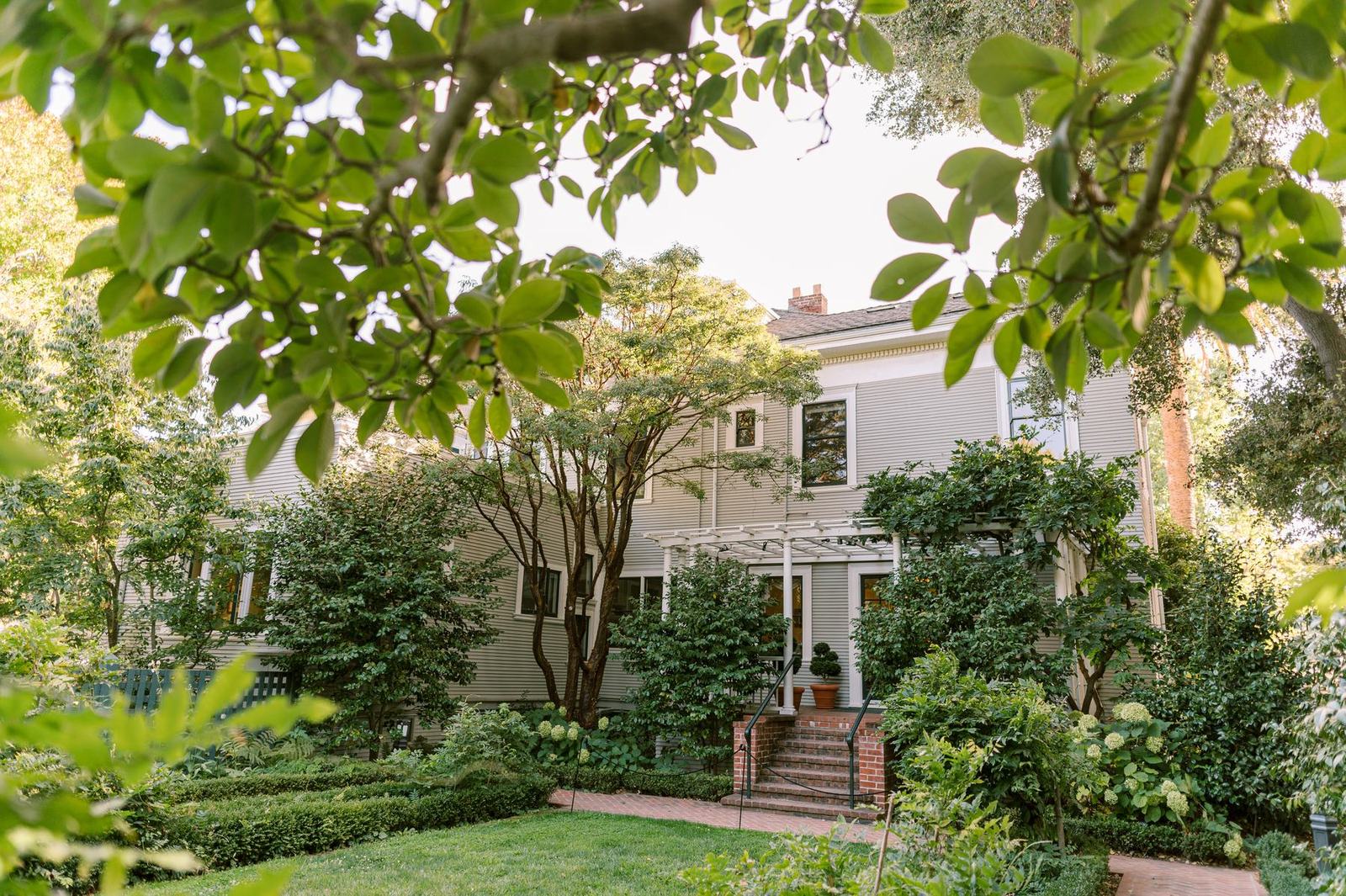
A house built in 1902 for one family has carried a public garden for forty years, and carried it gracefully. But grace has its limits, and we have reached some of them.
That is what the Horticulture Hub Project is for. A greenhouse built this century. A nursery laid out for the work that actually happens in it. Room for our volunteers and staff to do their jobs without cautiously dancing around each other. A classroom, so that rain does not soak a third grader's only field trip of the year. Restrooms that everyone can use.
The people who saved this place in 1985 handed on a garden in better condition than they found it. We mean to do the same. Thank you for the hours, the gifts, and the afternoons you have spent here, and for trusting us with the next forty years.
Community grows here.
Mica Pirie
Executive Director
The Garden
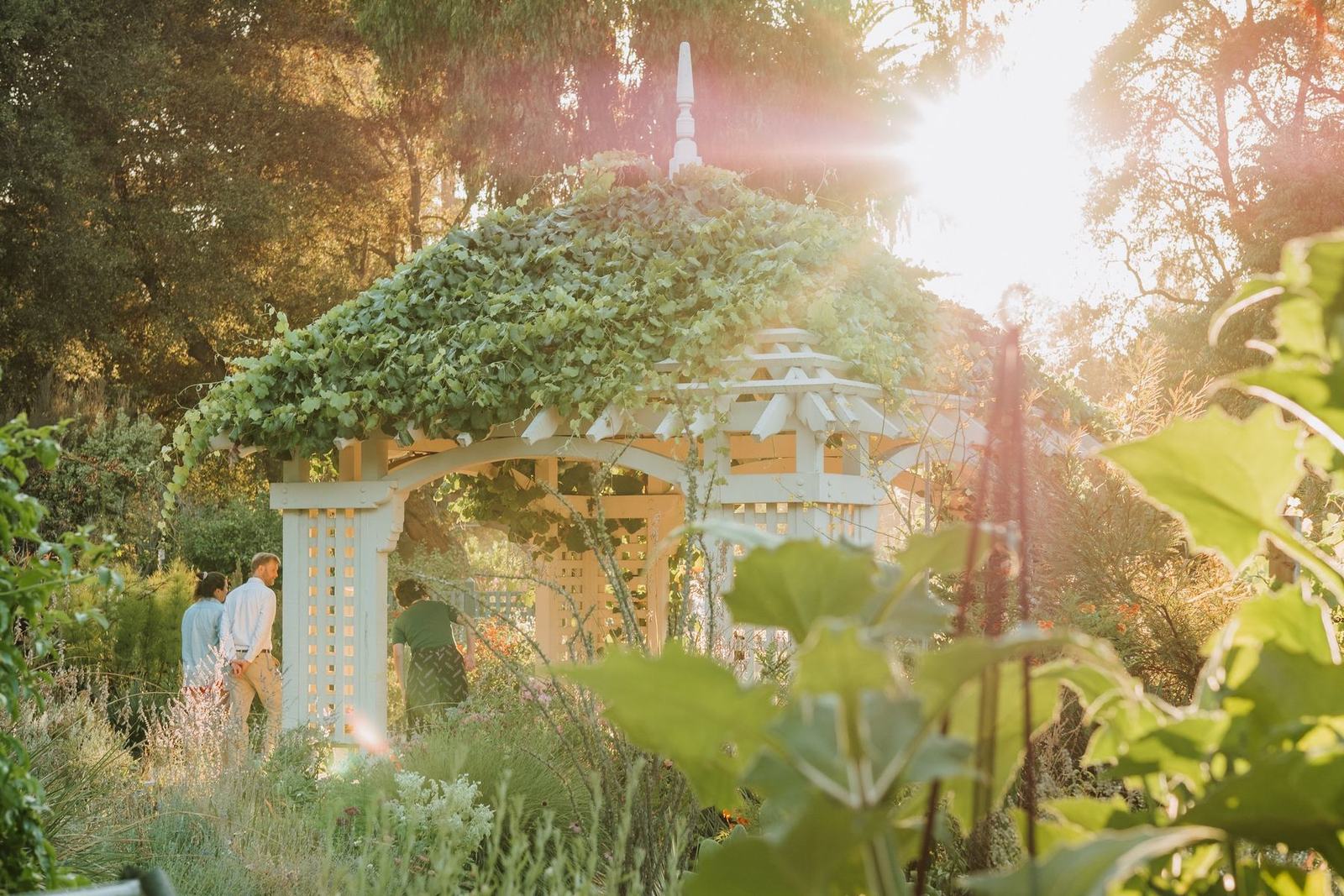
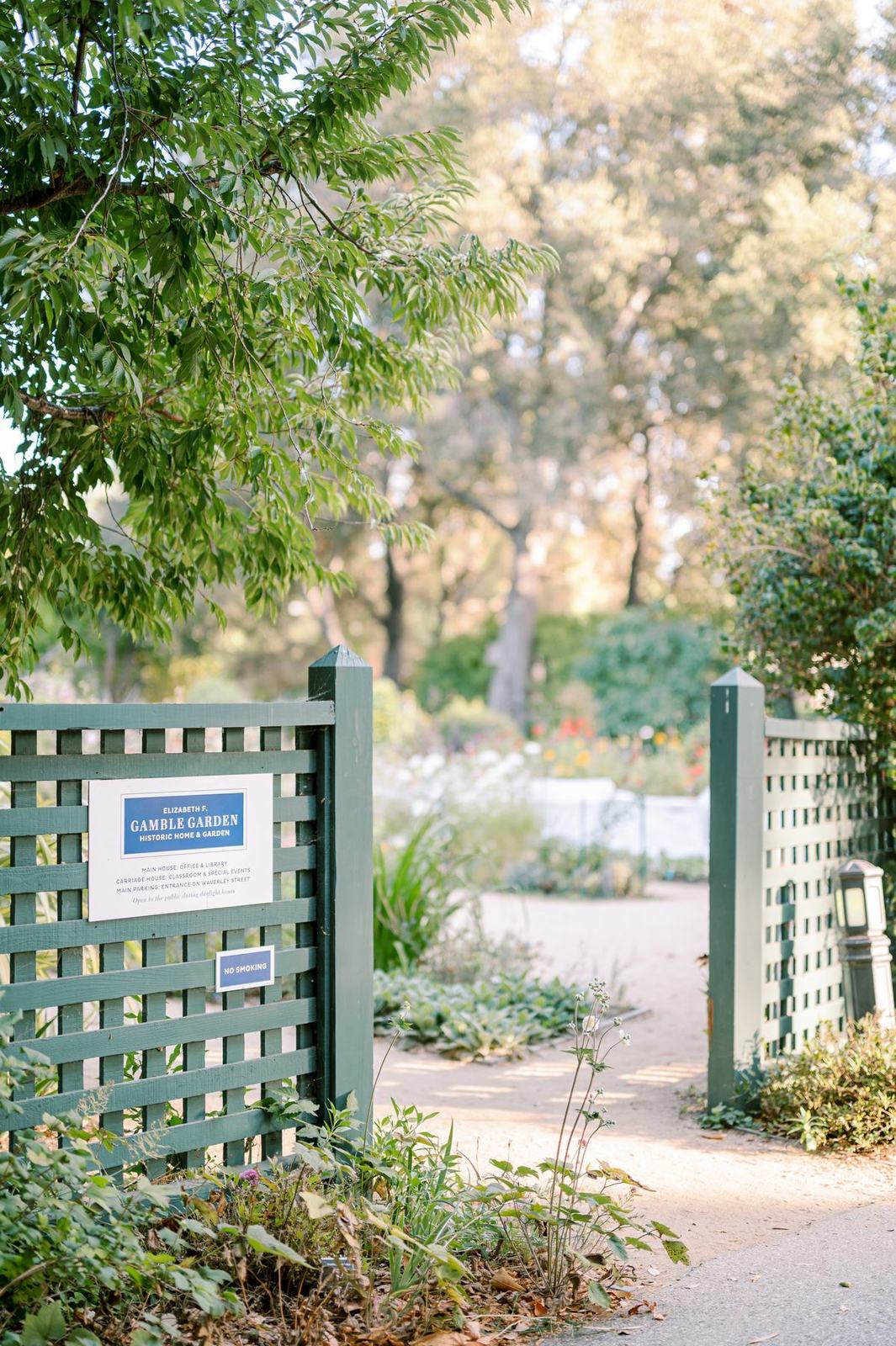
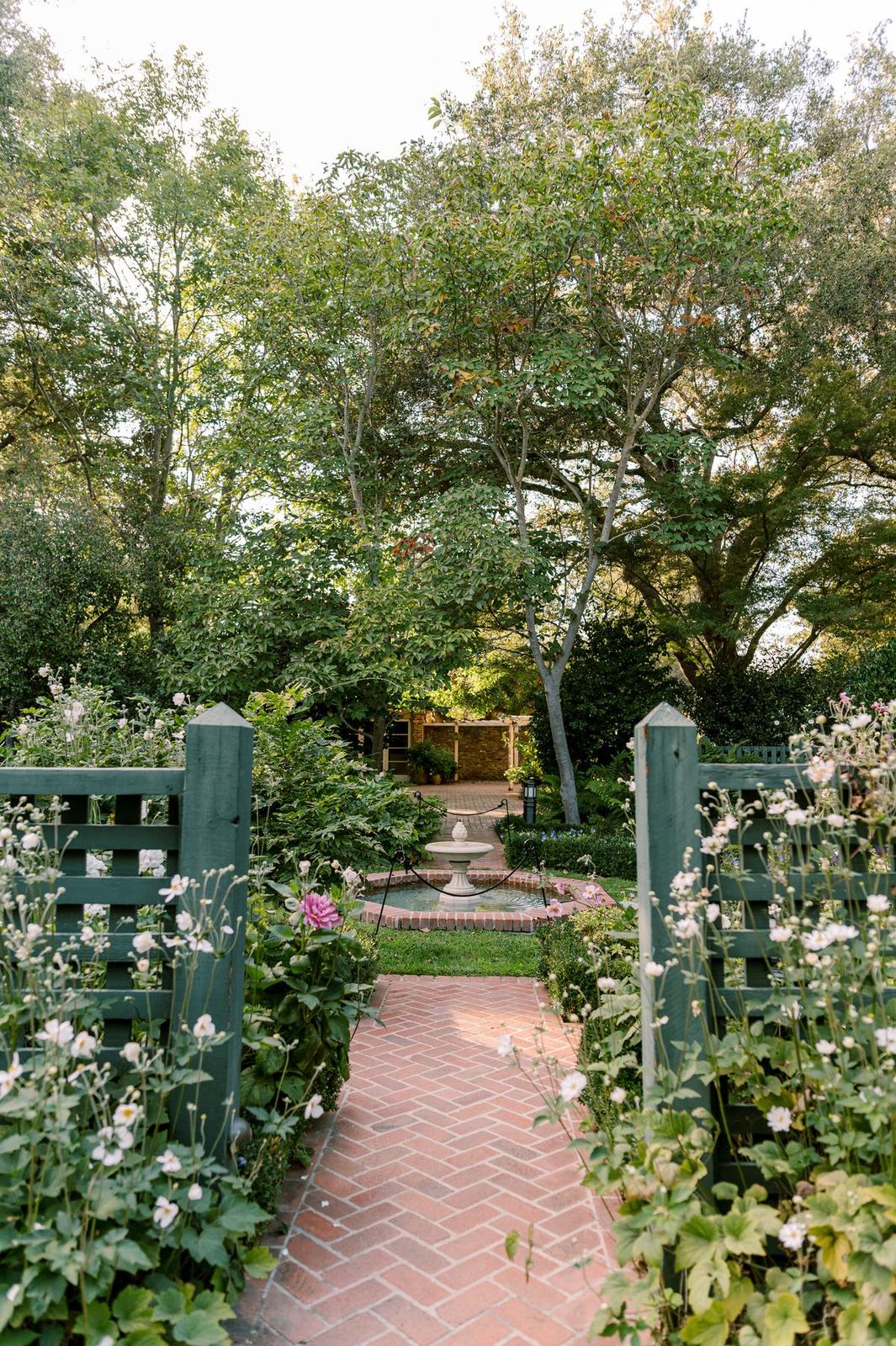
Every day of the year, the gate is open. Two and a half acres in the heart of Palo Alto, welcoming everyone to explore, find inspiration, or simply enjoy a quiet moment. No expectations. Just a garden for everyone.
Admission is free nearly every day of the year. But free access doesn't come without a cost. It takes about $1.5 million each year to care for Gamble Garden and keep its gates open, without City or State funding. For more than forty years, the generosity of our community has made this public resource possible.
"We came here on our first date, actually... sixteen years ago.
Then we were grad students, then we lived here for ten years, then we bought a house in San Francisco, then we moved to Miami. Then we realized we should have just stayed here. So we came back.
It's really quite a place, just magical, really nowhere quite like it."
This Year in the Garden
The fiscal year starts in July. Choose a month to see what was in bloom, in the Garden Director's own words.
What We Grew
Behind every season of beauty at Gamble Garden is the dedication of hundreds of volunteers and a small horticulture team. Together, they cultivate thousands of plants, care for our historic landscape, and ensure the Garden continues to flourish for generations to come.
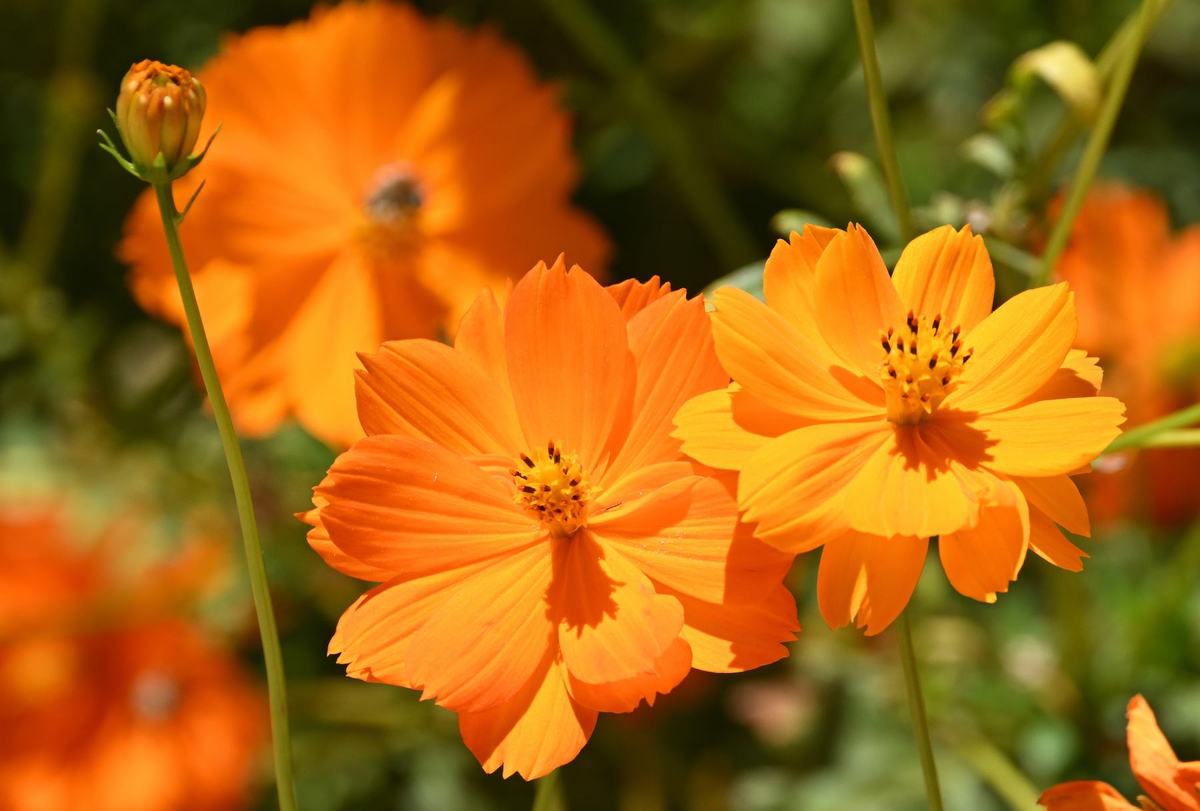
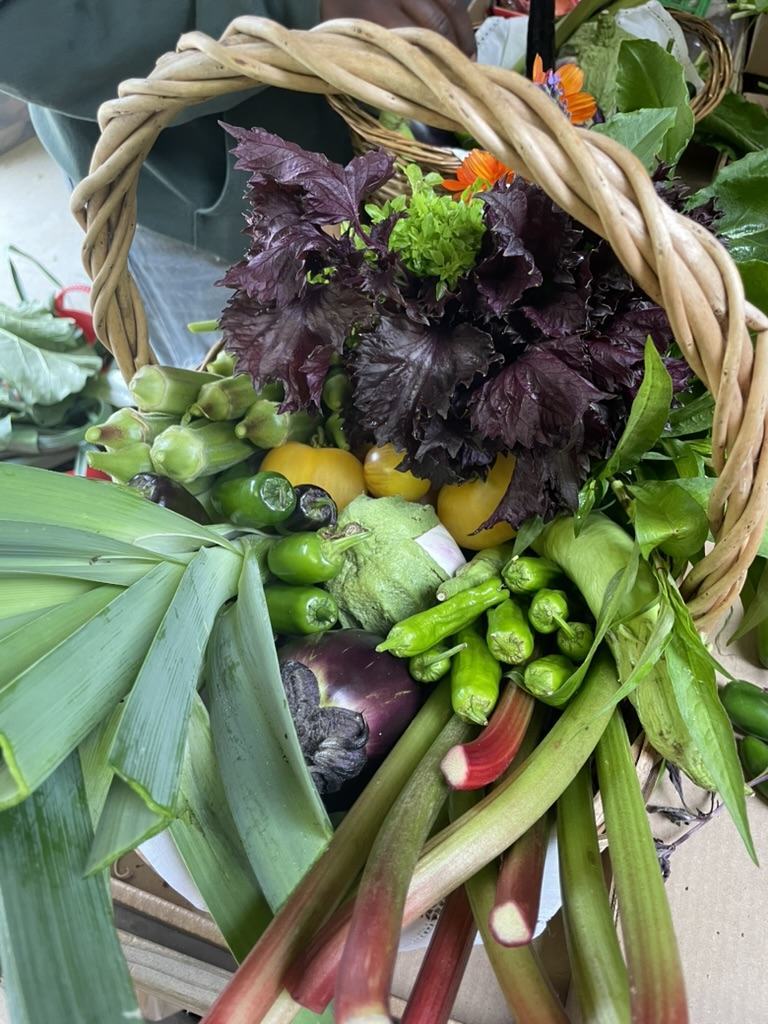
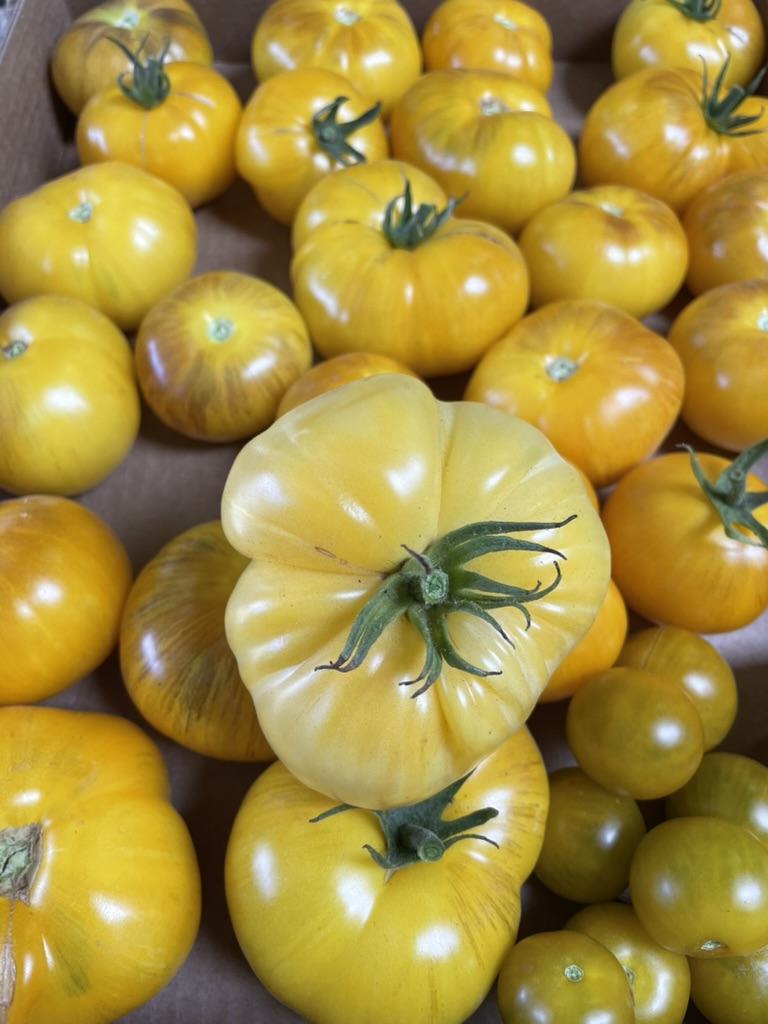
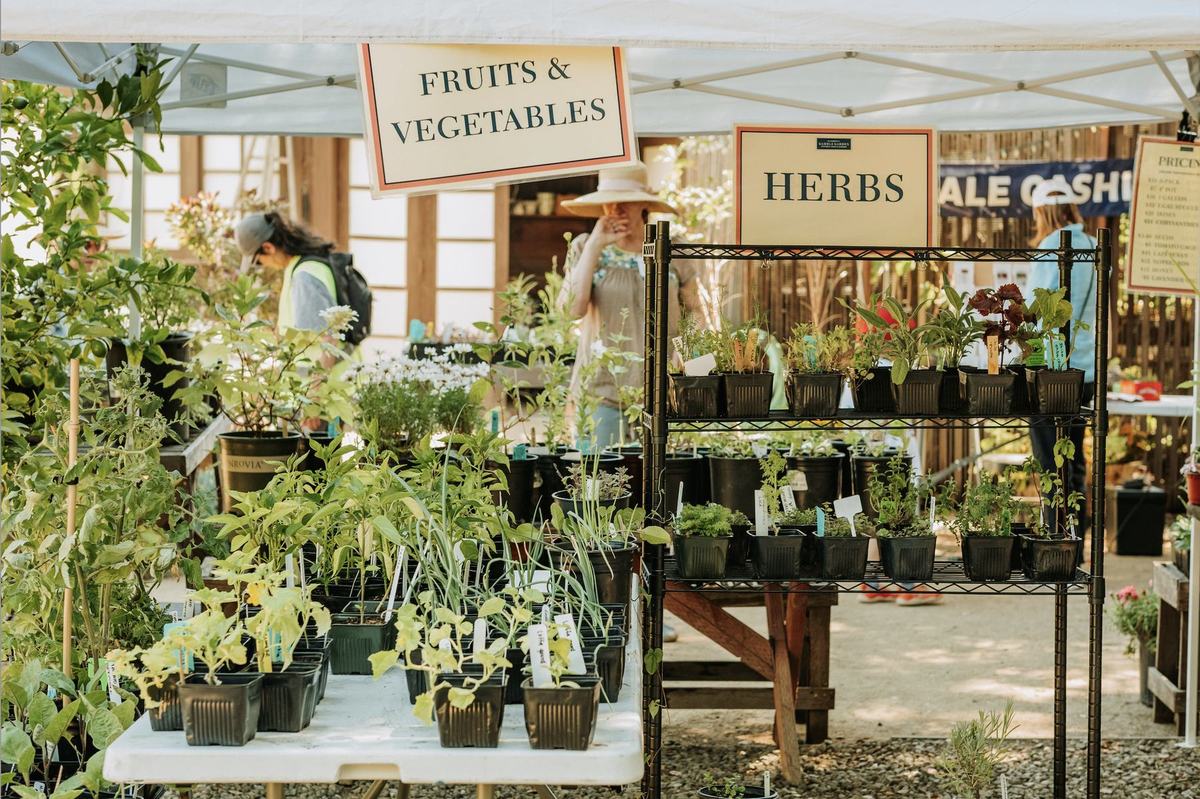
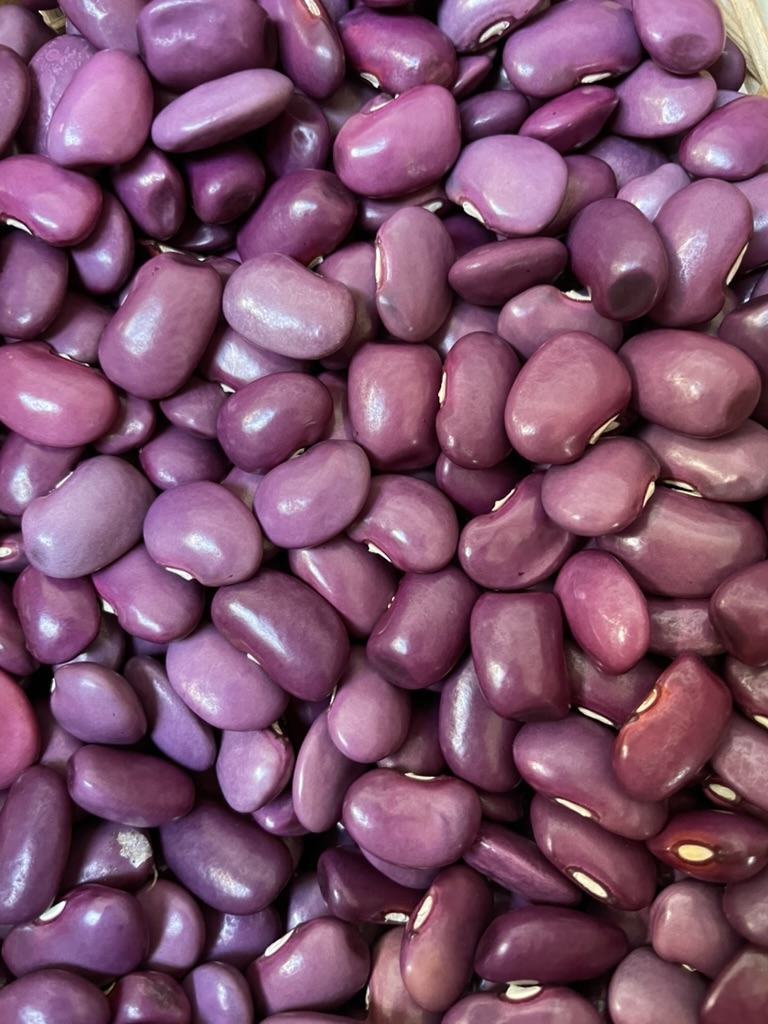
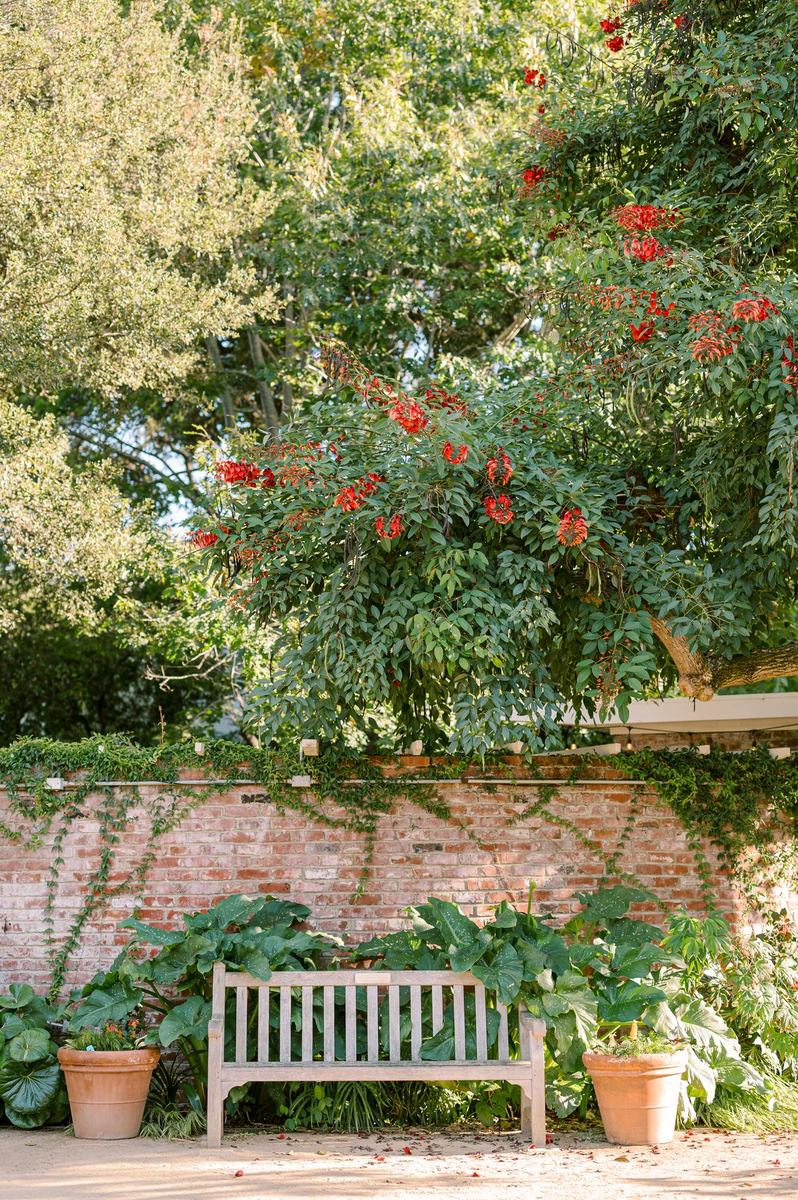
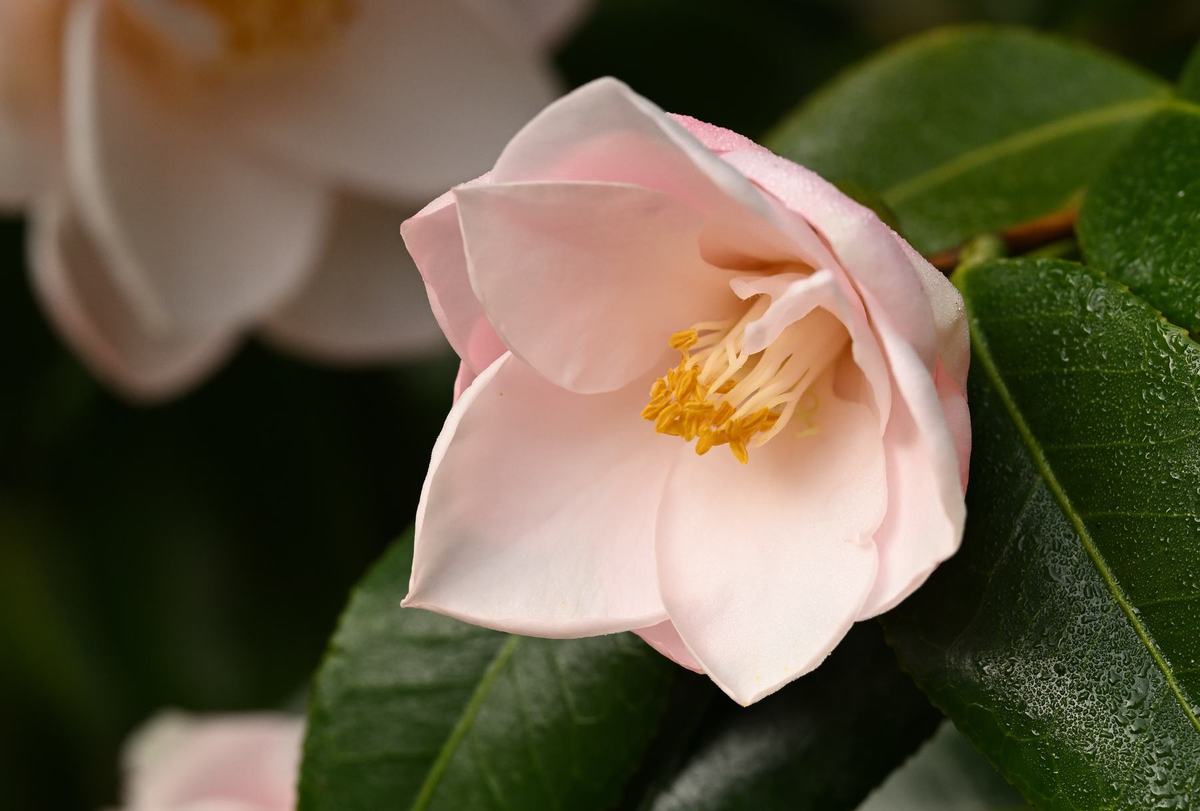
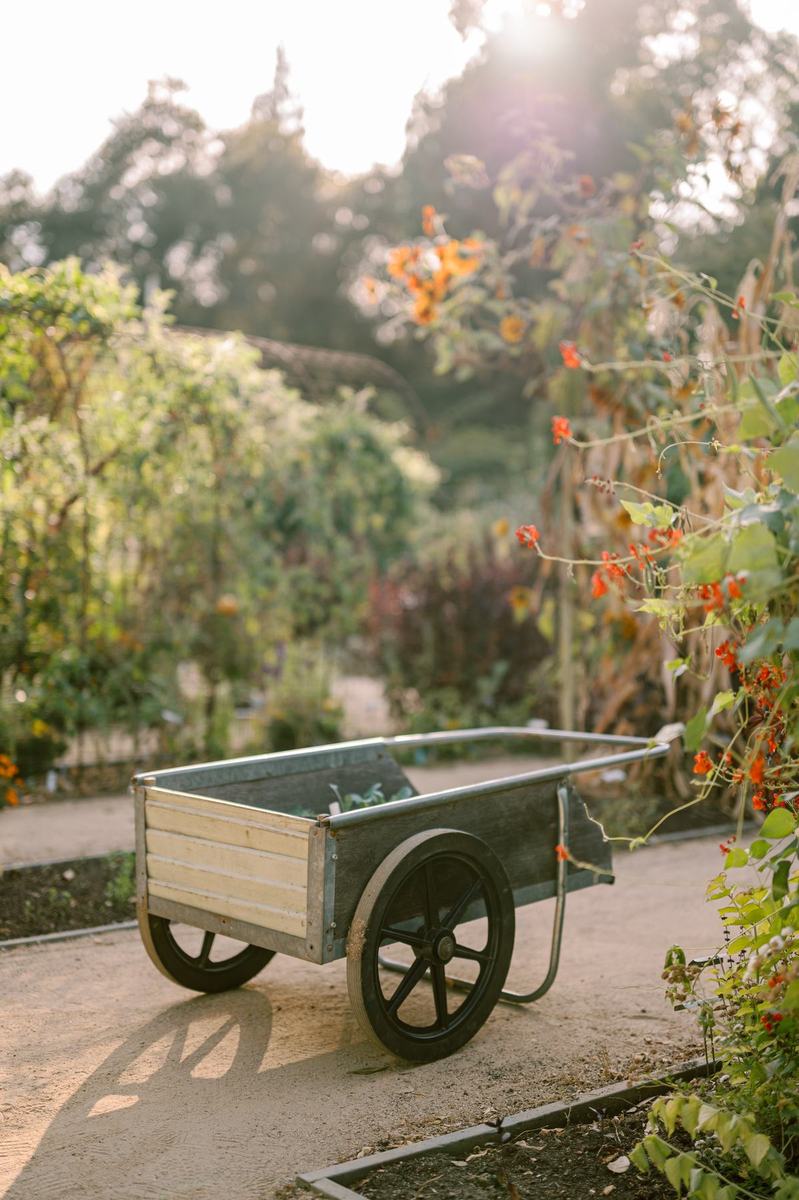
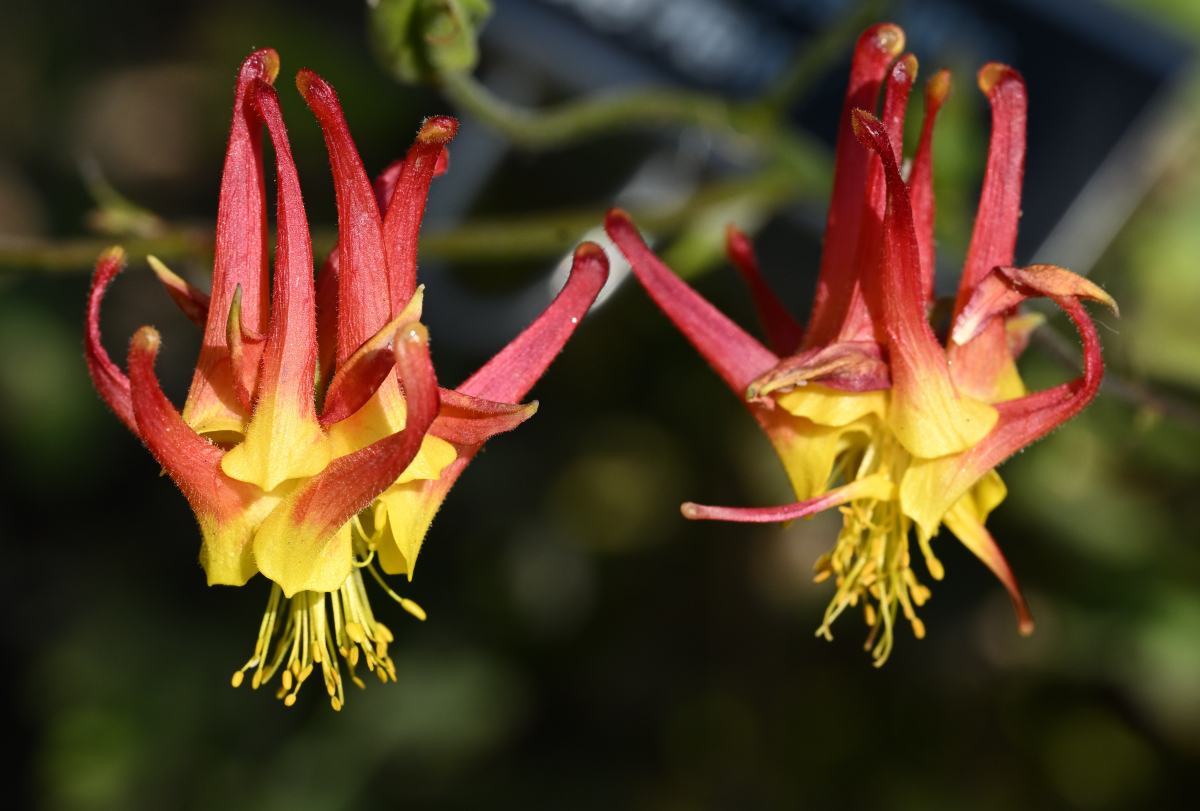
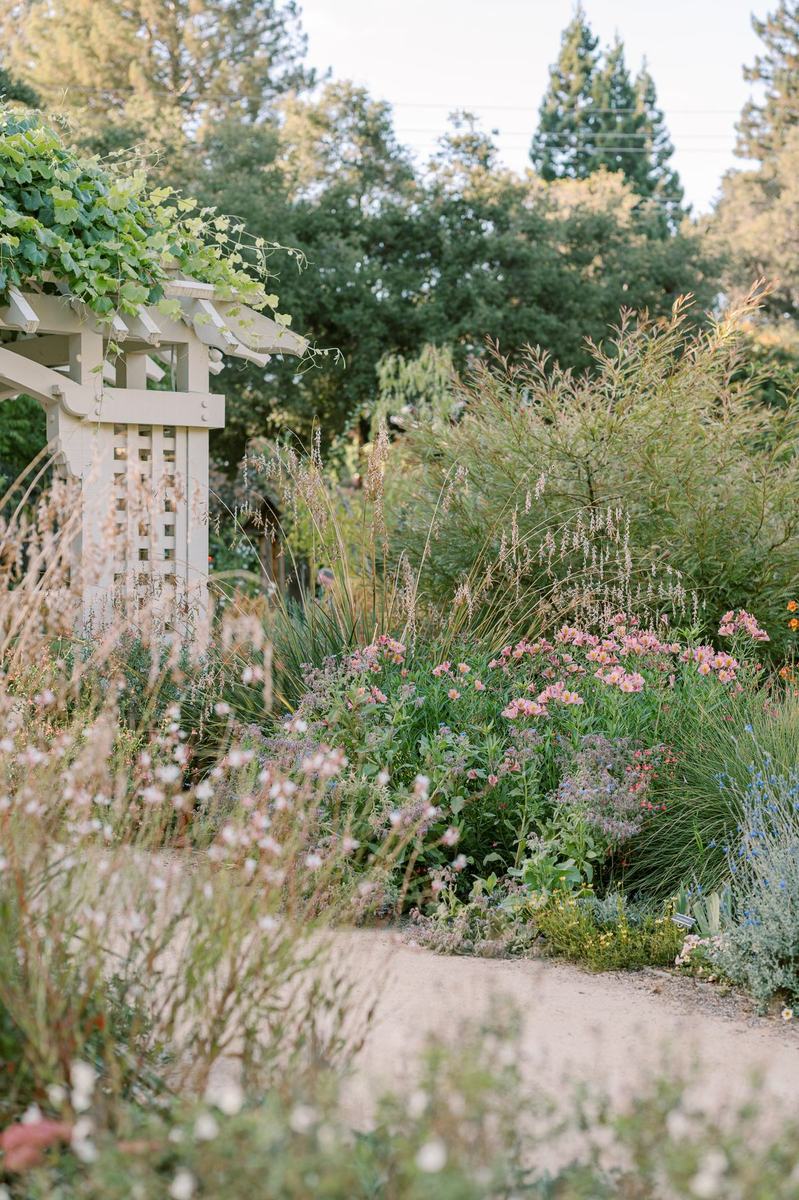
Over the past two decades, the loss of several mature trees transformed the growing conditions in our native garden. This year, we took the opportunity to reimagine the space, creating a more resilient landscape better suited to Palo Alto's increasingly hot, dry climate.
The renovation began in September, with plants worth preserving carefully relocated to our nursery. We then allowed weeds to germinate in the empty beds so they could be removed without herbicides, reducing the seed bank before planting began.
With support from the Garden Club of Palo Alto and Valley Water, planting was completed in April. Interpretive signage and a second phase of planting are planned for next autumn.
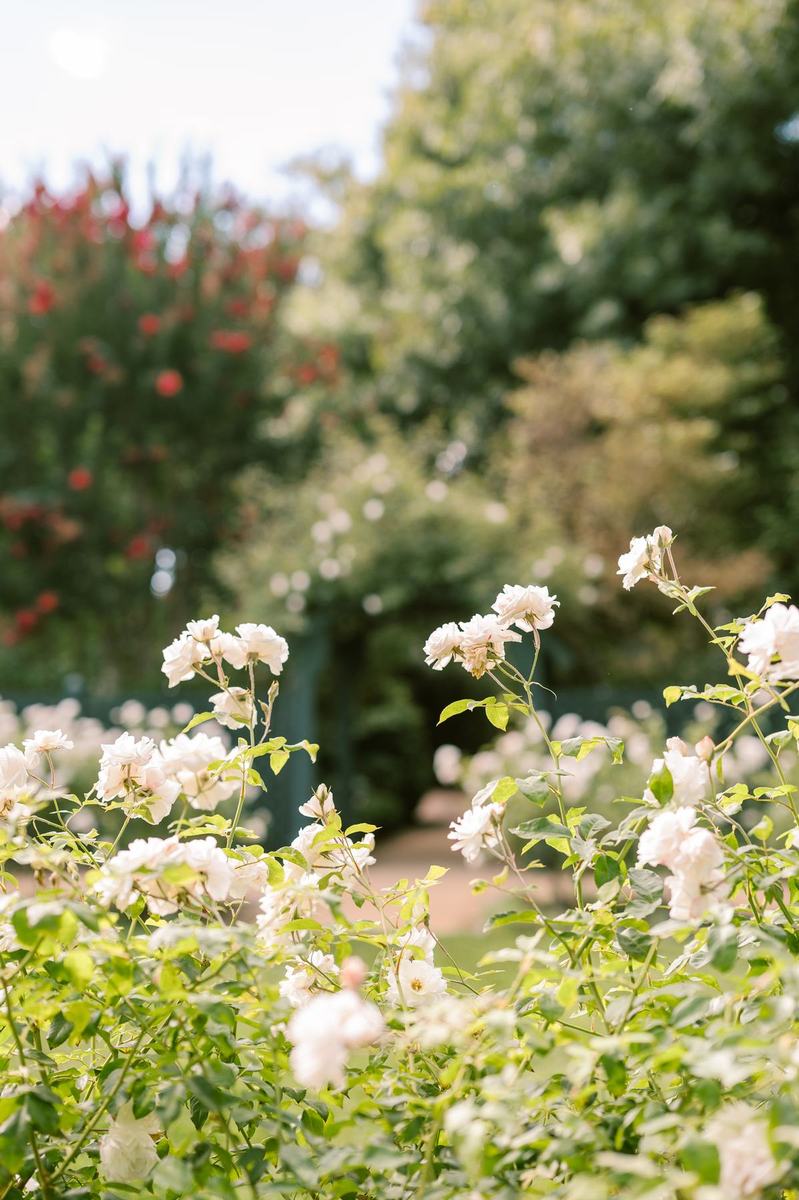
Visitors to the rose garden last October may have noticed fewer blooms than usual. That was intentional.
To combat the rose curculio, a beetle that lays its eggs inside developing rosebuds, our horticulture team chose an environmentally responsible approach over chemical pesticides. Throughout spring and summer, staff removed beetles by hand. In late summer, they stripped affected buds to interrupt the insect's life cycle and introduced beneficial nematodes into the soil to help control overwintering populations.
The result was a season without blooms in the treated beds, and a healthier approach to caring for the Garden.
It is the price of remaining a pesticide free garden.
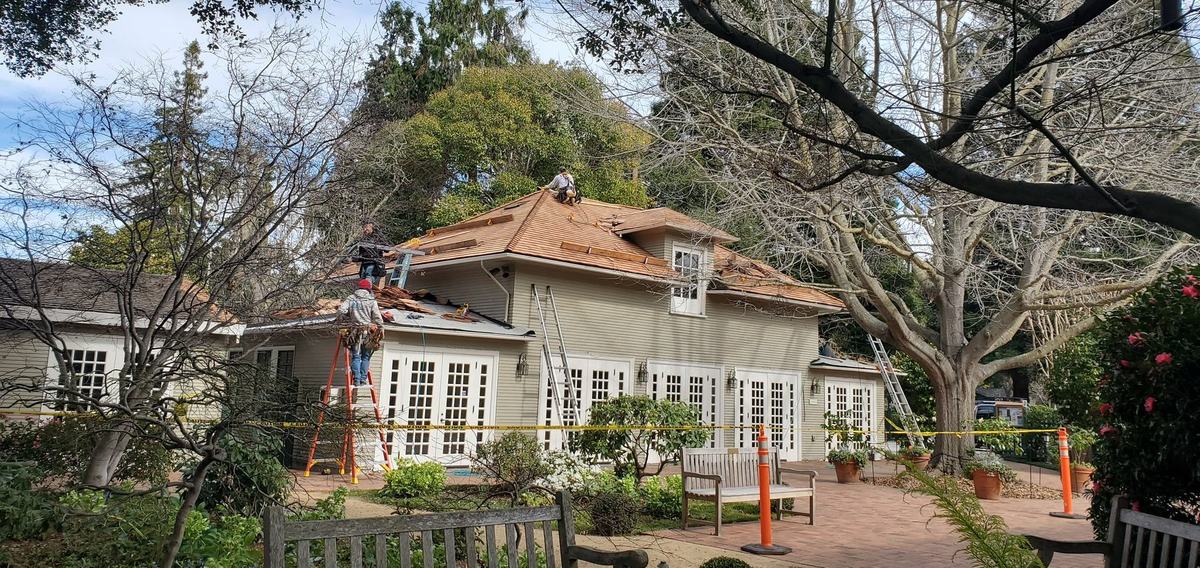
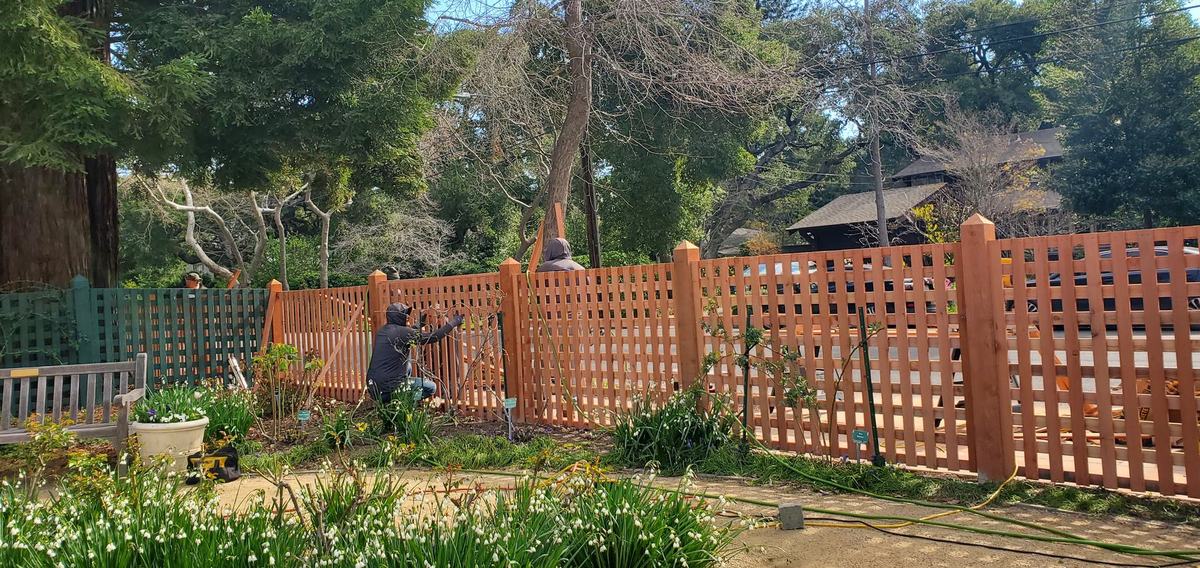
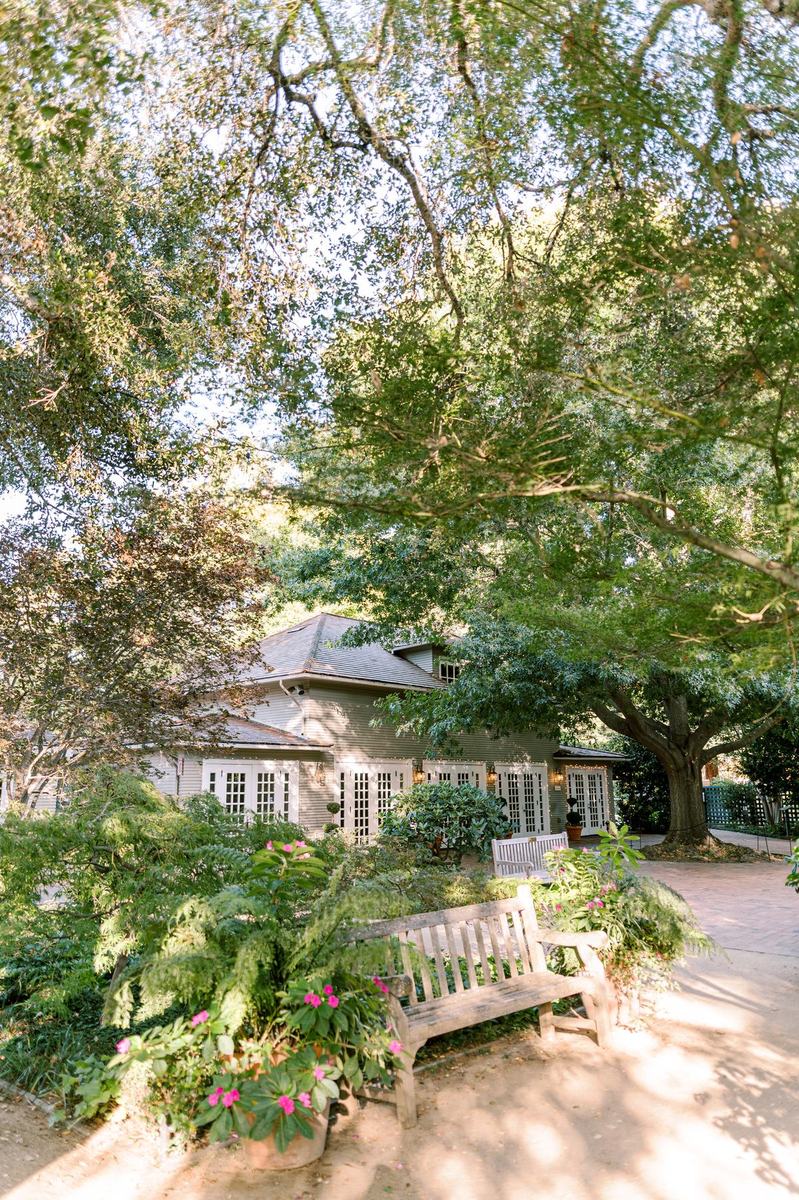
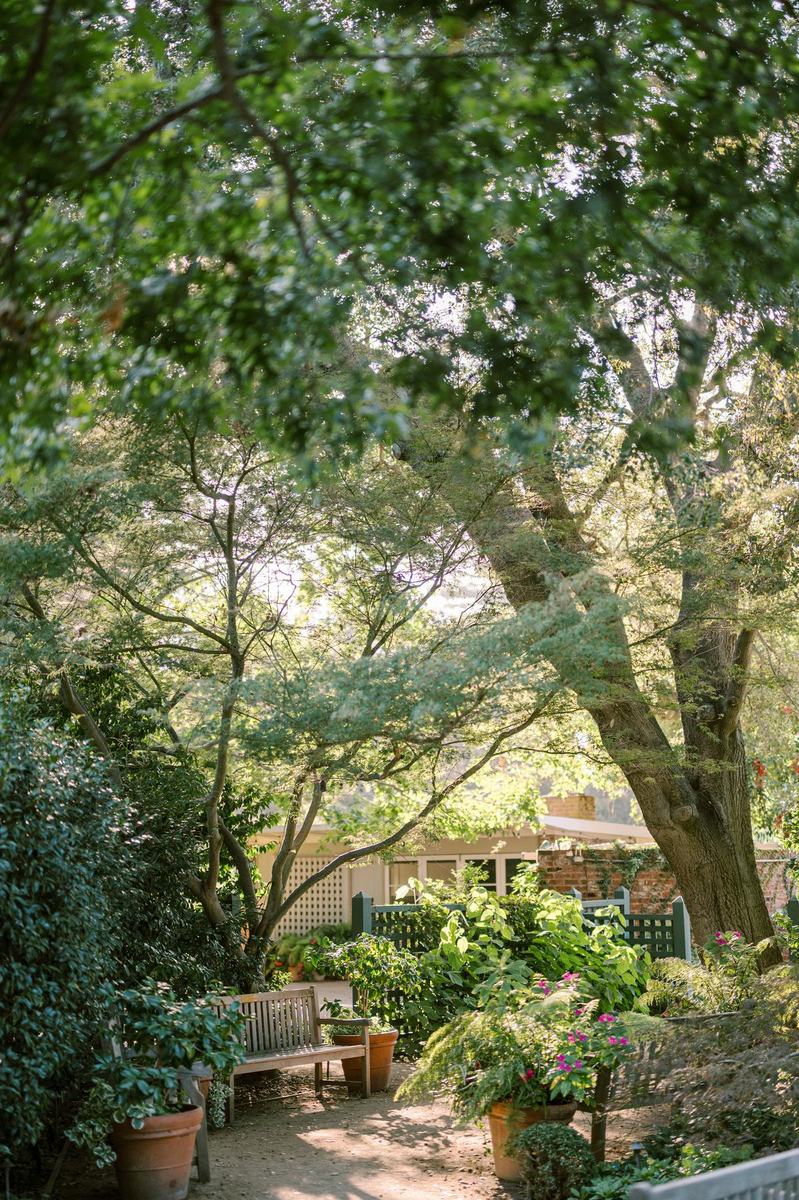
Built in 1902, Gamble Garden's historic home has weathered more than a century of change. This year, we replaced the Main House roof and rebuilt its side stairwell, following the replacement of the Carriage House roof.
Together, these improvements help ensure the house remains a beautiful and enduring part of Gamble Garden.
Other improvements throughout the Garden included:
Who We Taught
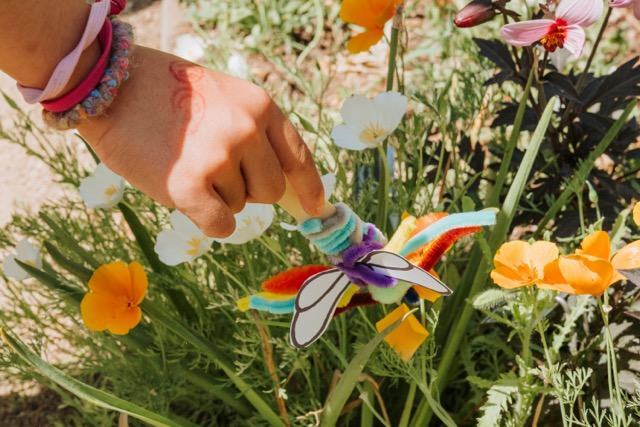
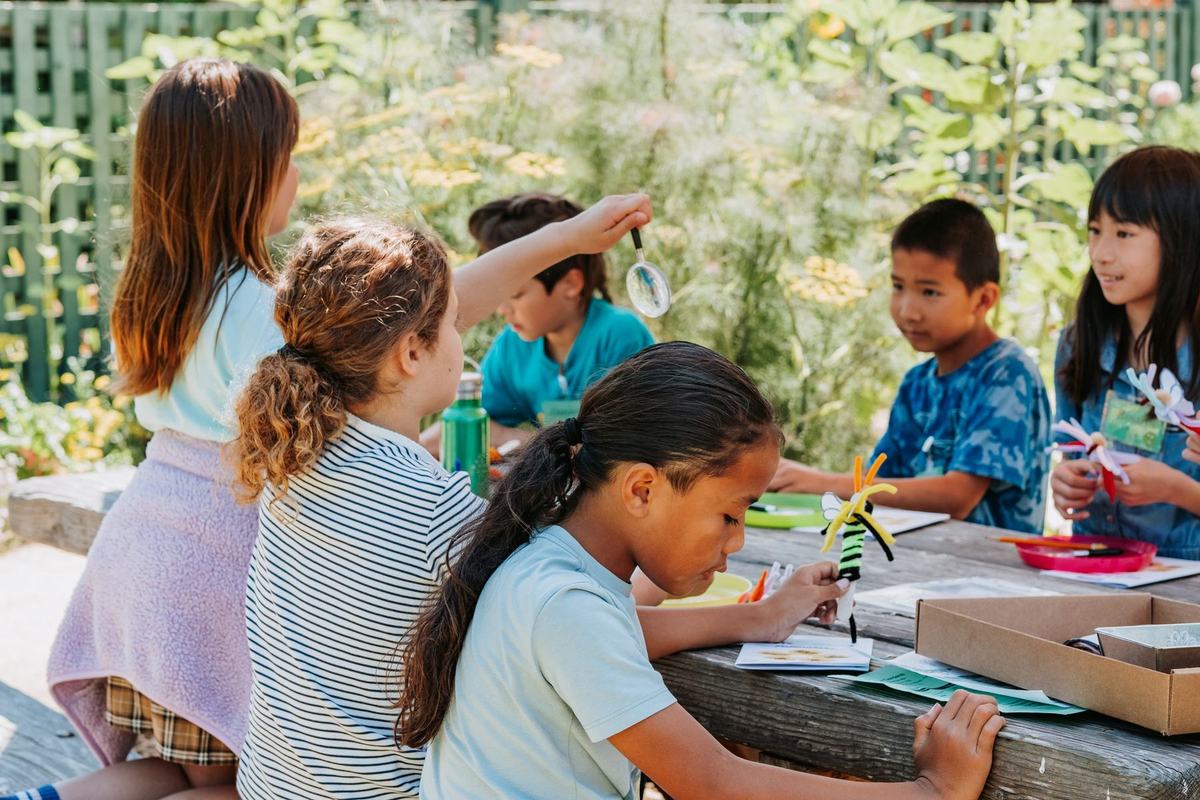
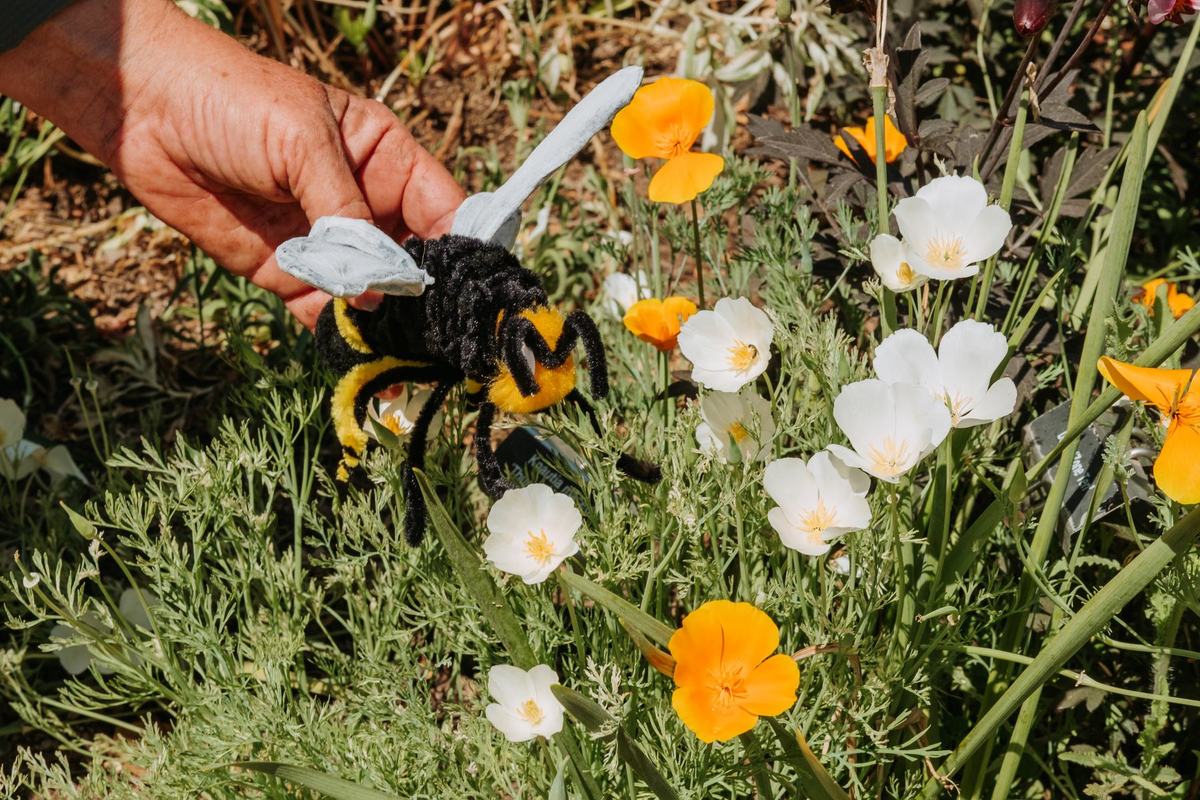
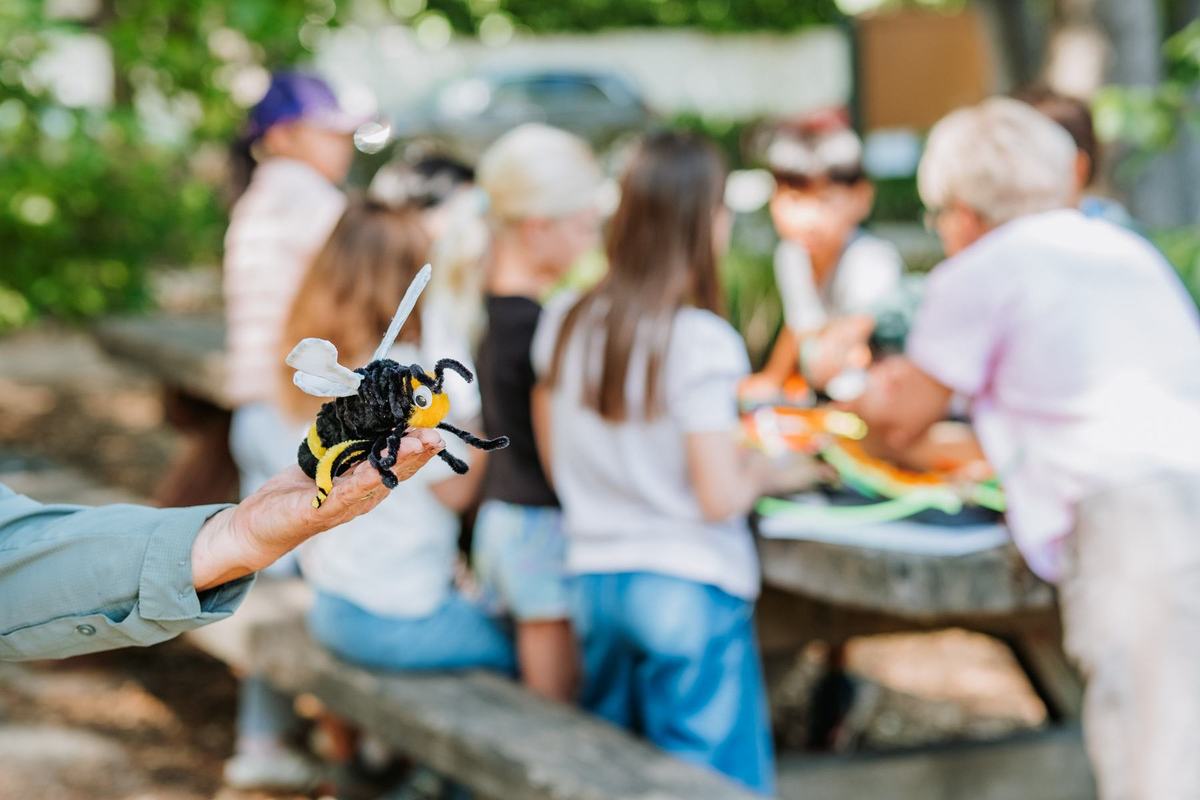
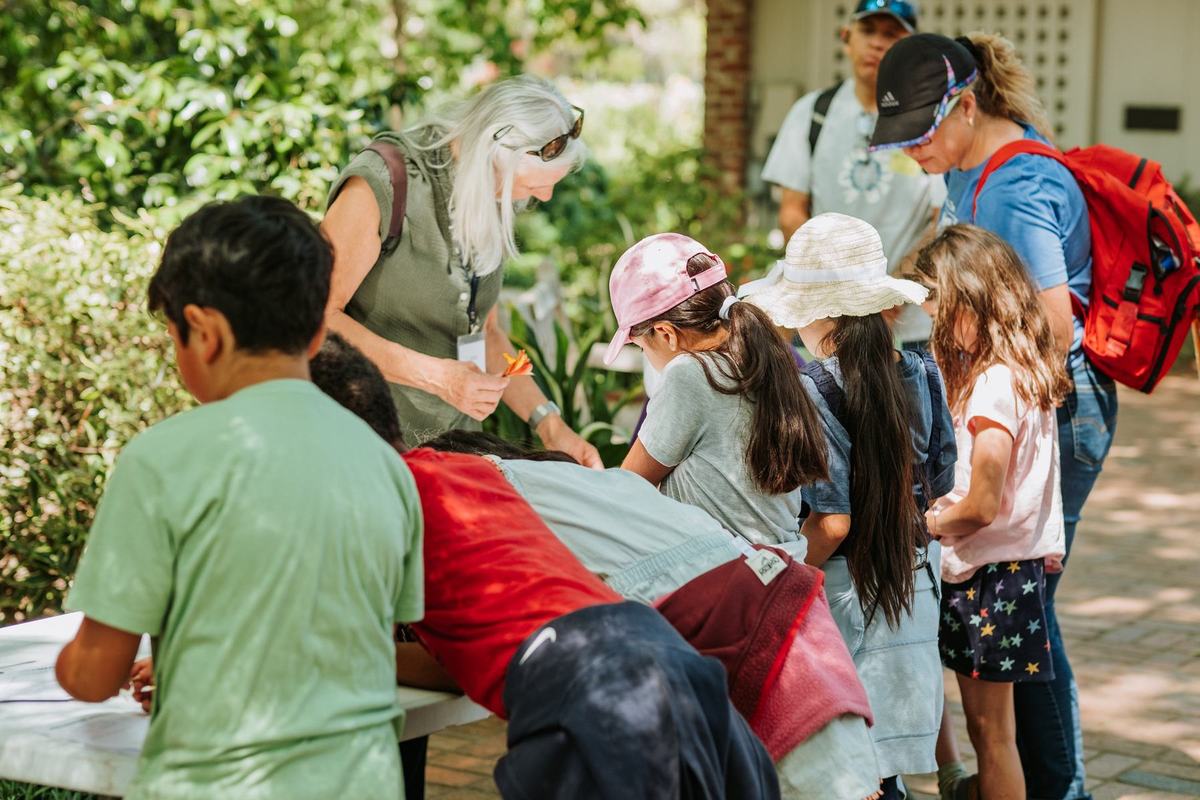
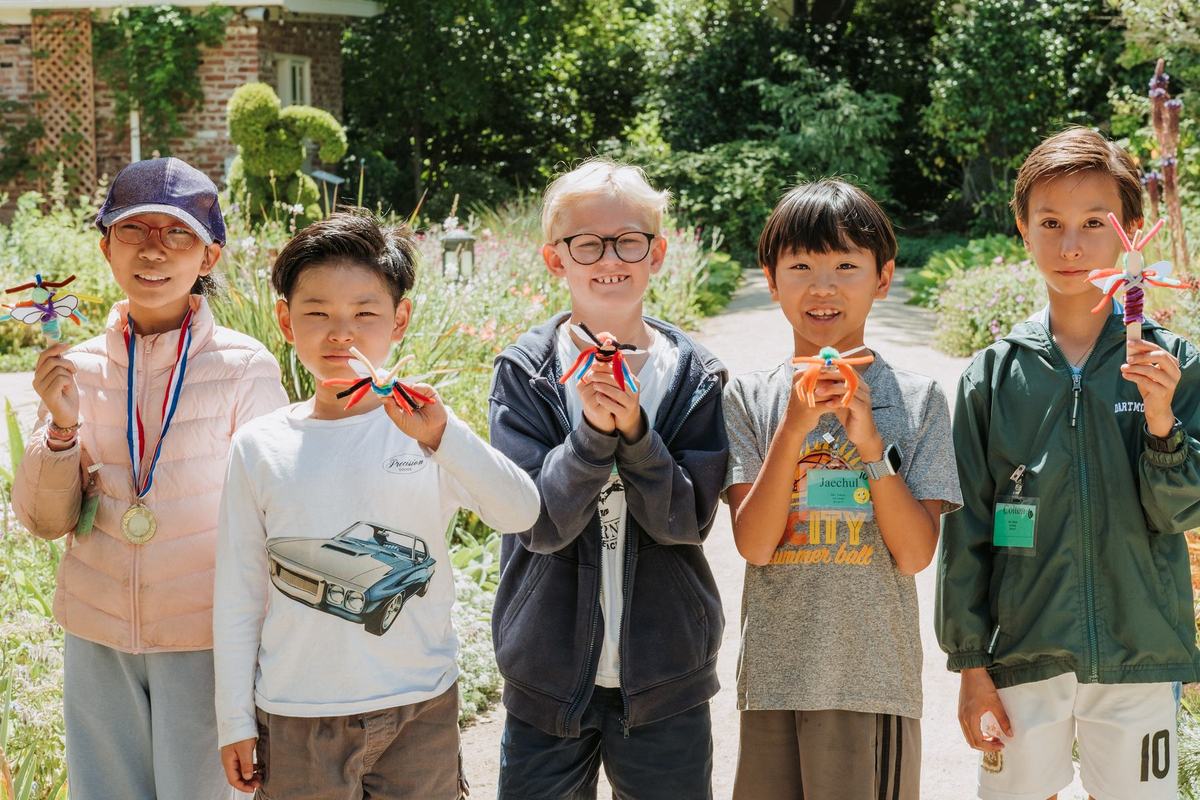
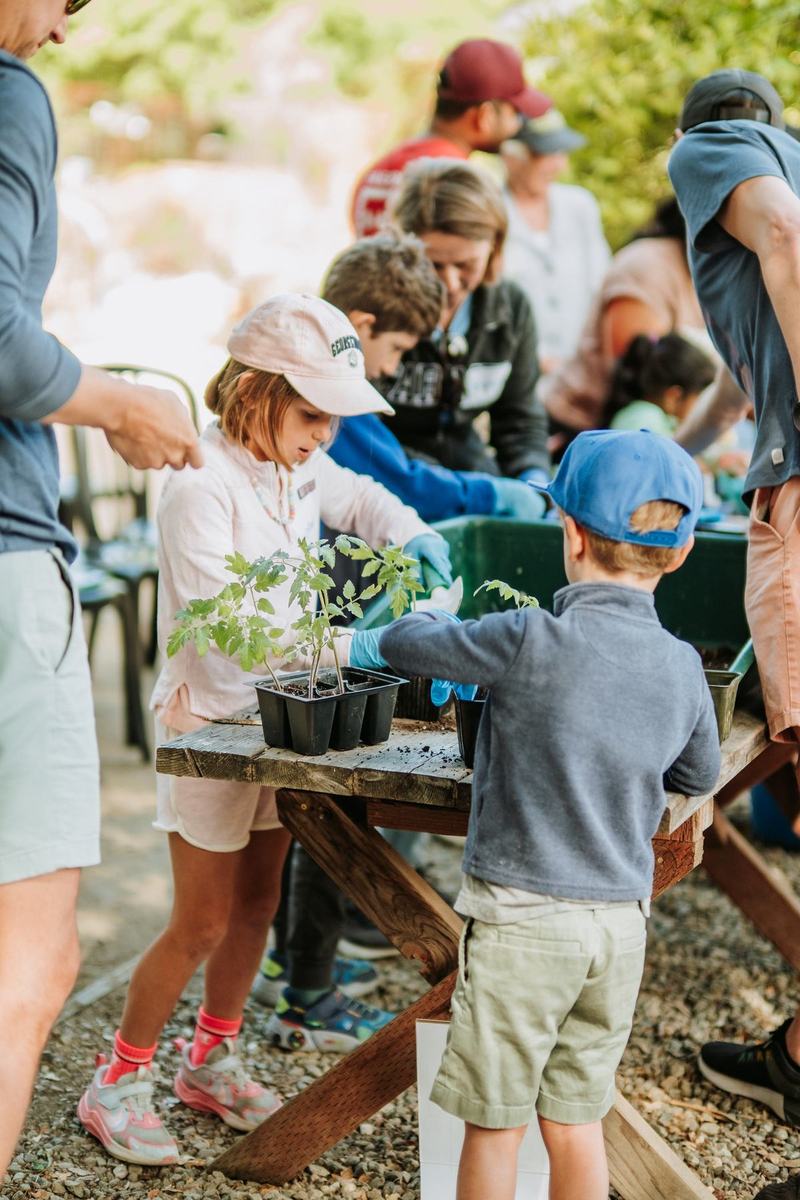
This year, Gamble Garden's Roots & Shoots program welcomed 669 students from ten schools including four schools participating for the first time. Two schools received scholarships, marking an important milestone: for the first time, we provided a scholarship to a Title I school. Eighteen volunteers and staff made these experiences possible.
At Build a Bee, students created more than 500 model bees before heading into the garden to pollinate flowers by hand. At Pollinator Diversity, their imaginations took flight as they designed pollinators ranging from robots and unicorns, to dolphins, butter bees, and chickens.
At Seed Dispersal, students explored how plants spread by scattering thousands of cattail, maple, burr, and bean seeds. Many returned with their families for Second Saturday, eager to share what they had learned.
Looking ahead, we anticipate welcoming more than 1,000 students through 27 field trips from 13 schools across four school districts, including tuition waivers for 11 field trips serving six Title I schools.
"I was talking with the students about how pollinators collect and move pollen from one flower to another, and one student said, 'Oh, so they deliver the pollen like DoorDash.'"
Historical student participation, plus an FY27 projection based on more than 1,000 students already booked.
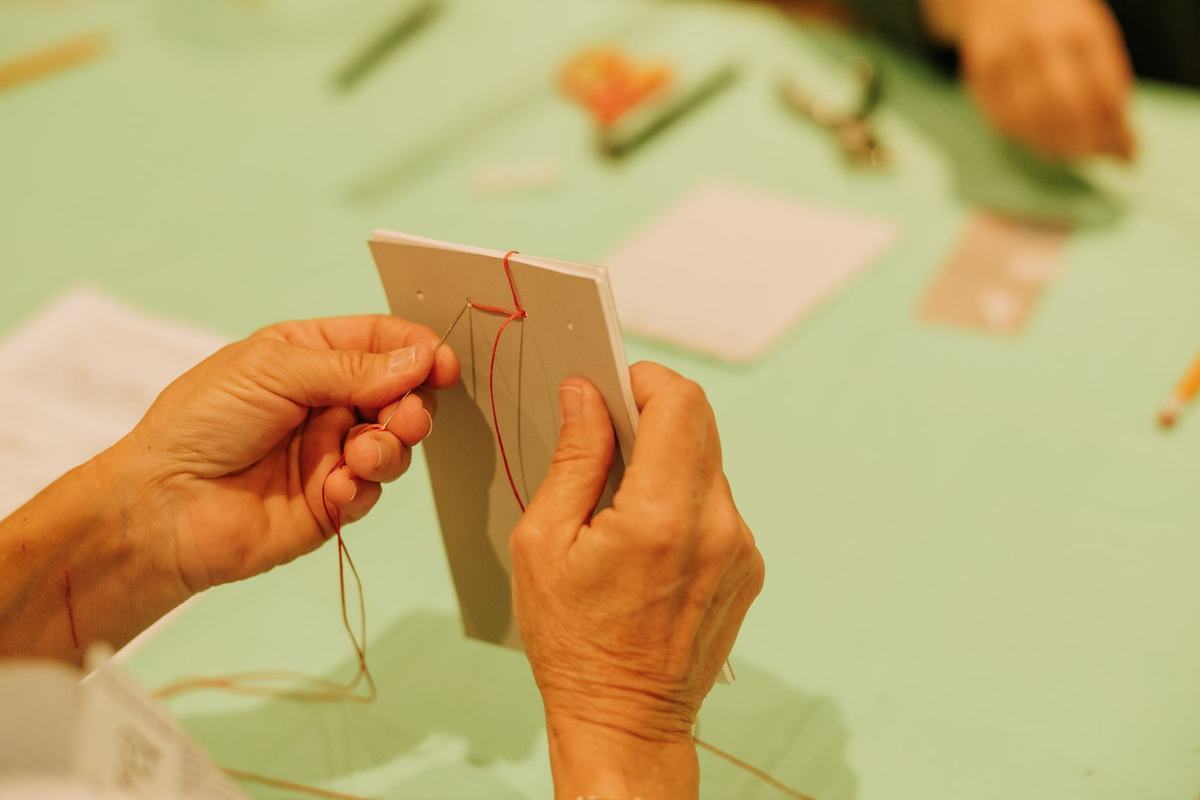
Formal classes remain the backbone of our educational programming, reaching 504 participants across 32 classes this year. That's a 47% increase in participation over two years, with one fewer class.
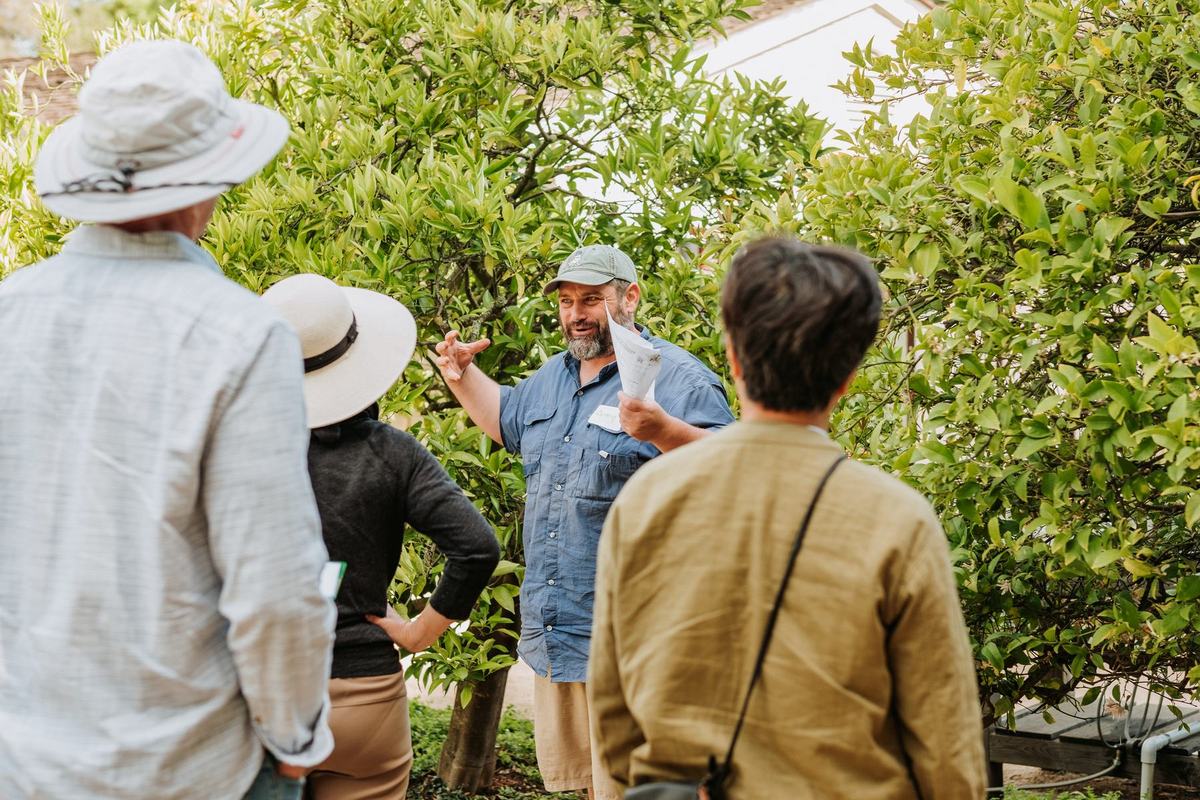
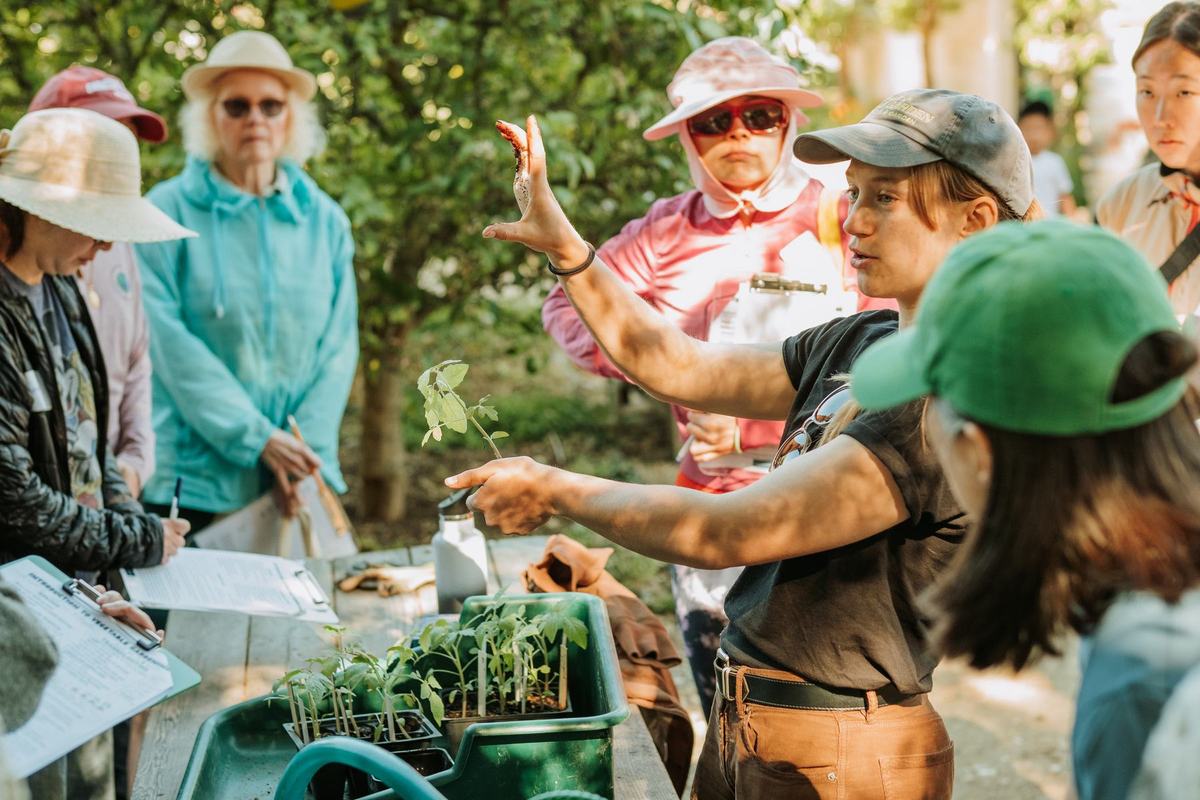
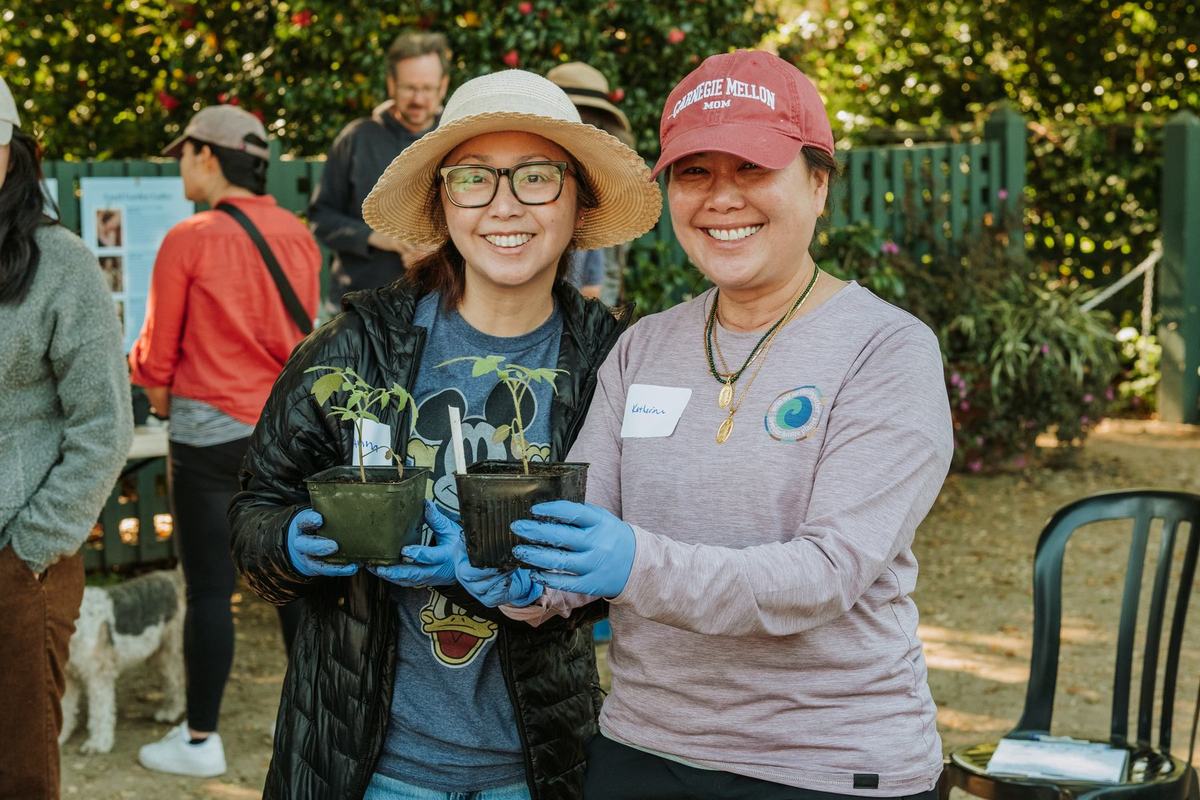
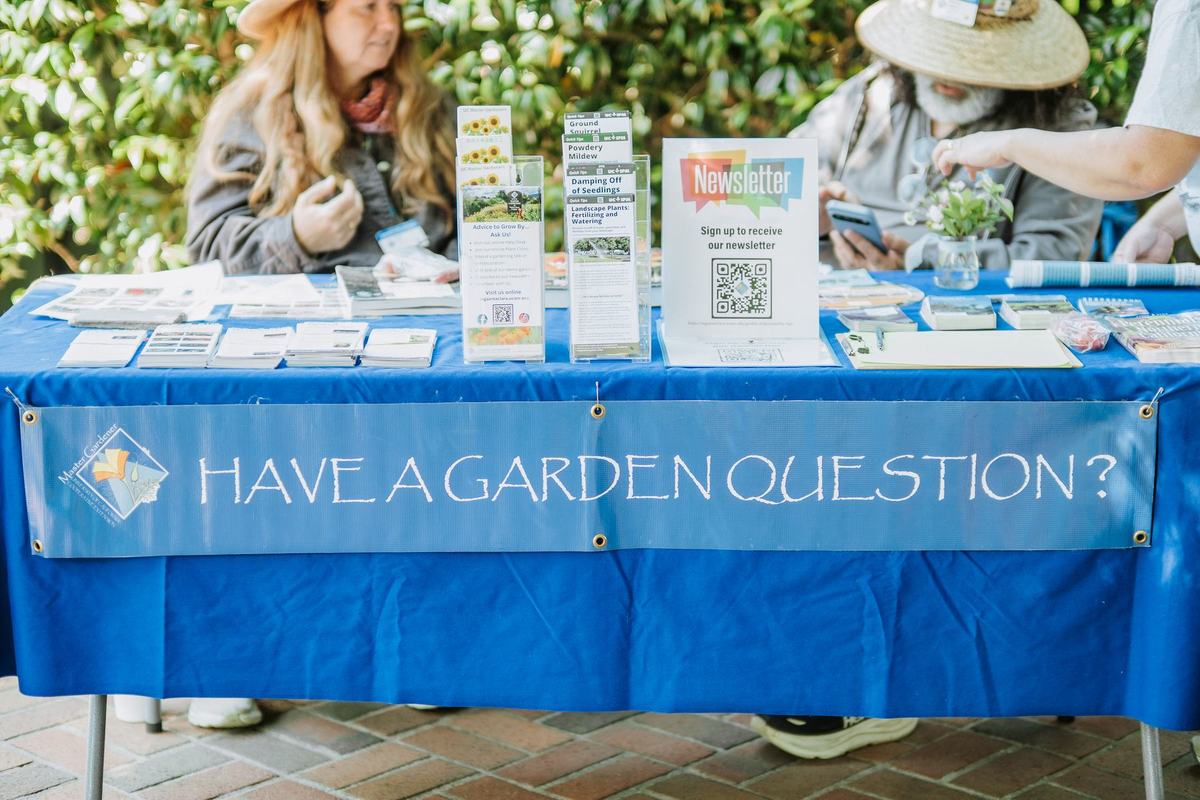
We also introduced Gardeners' Hour, a free monthly gathering where visitors of all ages can bring their gardening questions directly to our horticulture staff and a visiting Master Gardener. With no registration fee or set curriculum, the program offers an informal, welcoming way to learn and connect with fellow gardeners.
We've also made a deliberate shift toward classes that more closely align with our mission. Horticultural education now accounts for nearly three-quarters of our offerings, up from just over a third two years ago. Participation in horticulture classes alone has increased fivefold during that time.
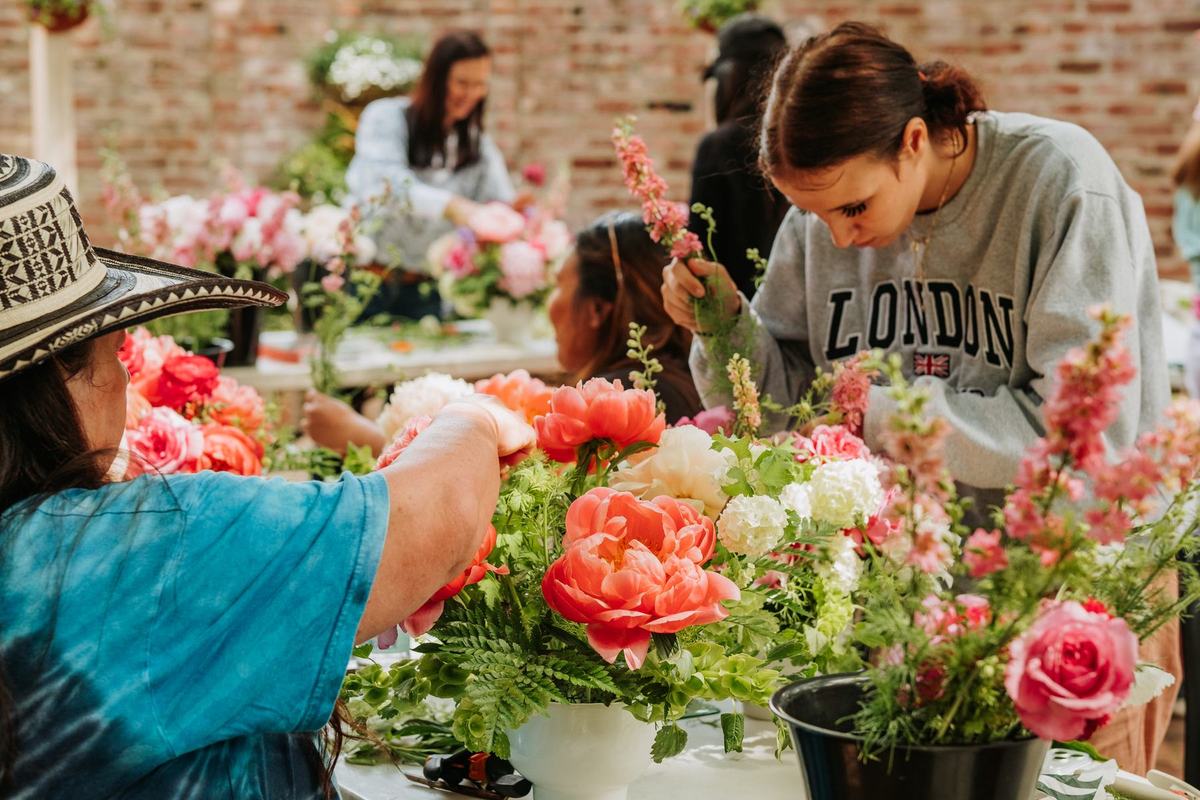
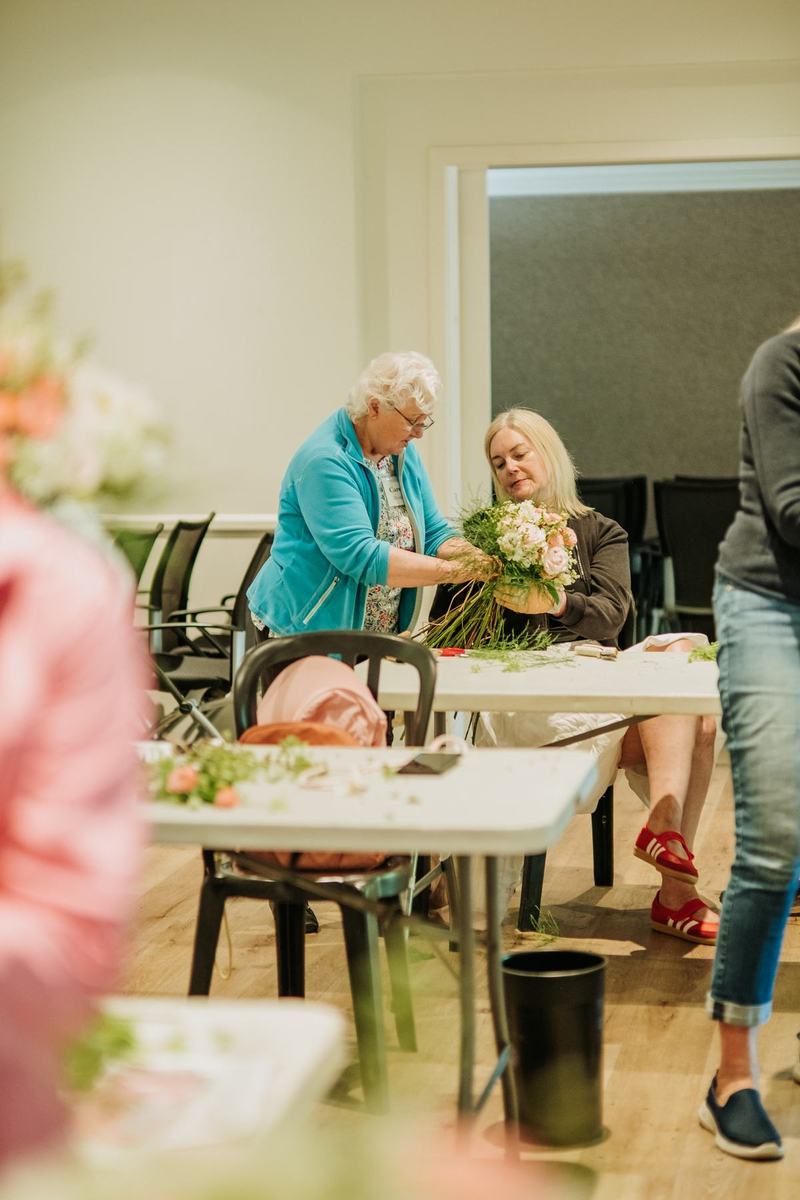
It was my first time, and I fell in love with flowers right away. I used to not be interested at all.
Participation has grown steadily over three years while the number of classes has remained consistent.
Who Showed Up
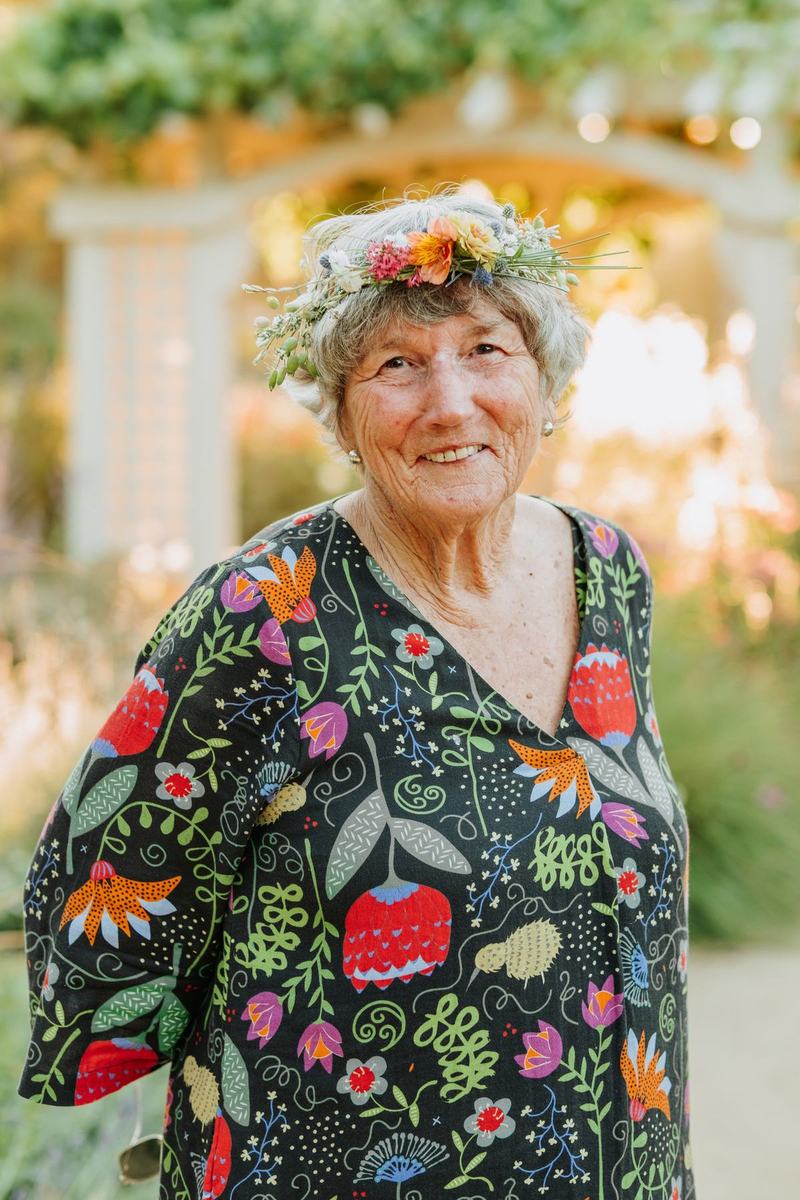
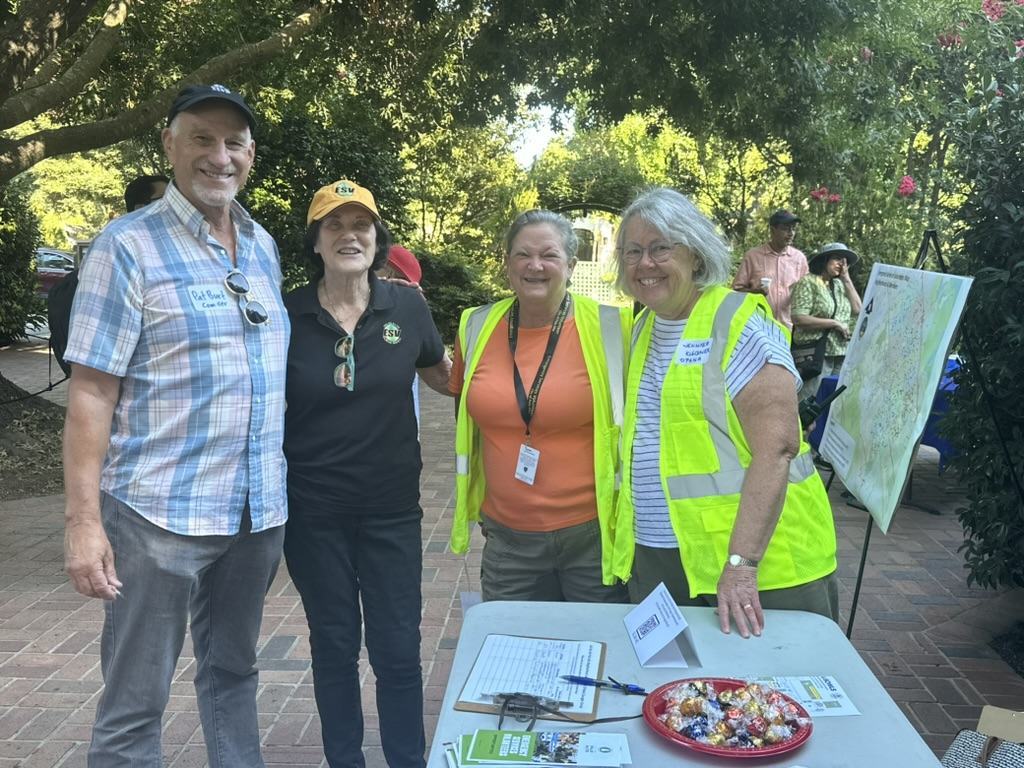
There's a role at Gamble Garden for someone who wants to propagate cuttings every Tuesday and for someone who can give one Saturday in December. This year, 436 people volunteered across 33 committees, contributing more than 17,700 hours.
And more people want to join them. This year, 245 people inquired about opportunities, a record high and more than four times the number nine years ago.
"I get to get my frustration out by pulling weeds and I like to socialize with everybody else."
Behind the scenes and throughout the year, volunteers ran our major fundraisers, planned our Anniversary celebration, transformed our Education programs, prepared thirteen luncheons, washed dishes, organized donated merchandise, maintained our archives, and cared for the garden.
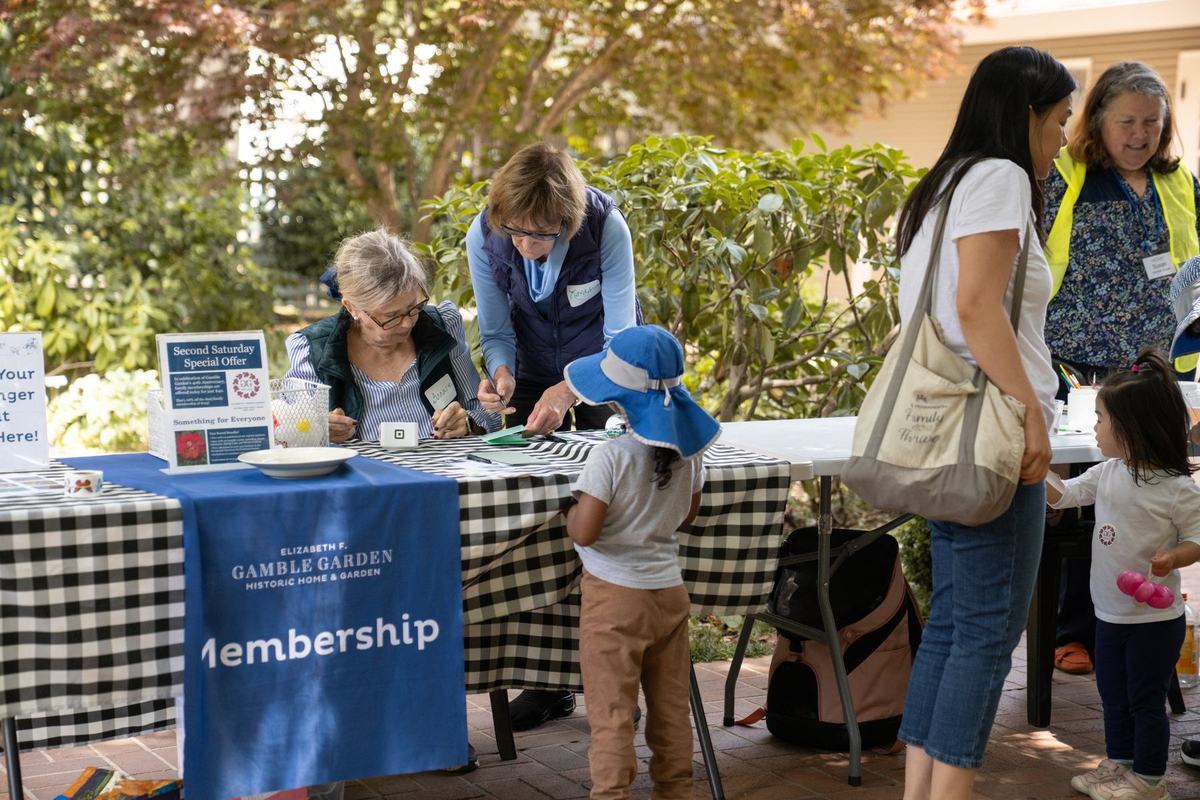
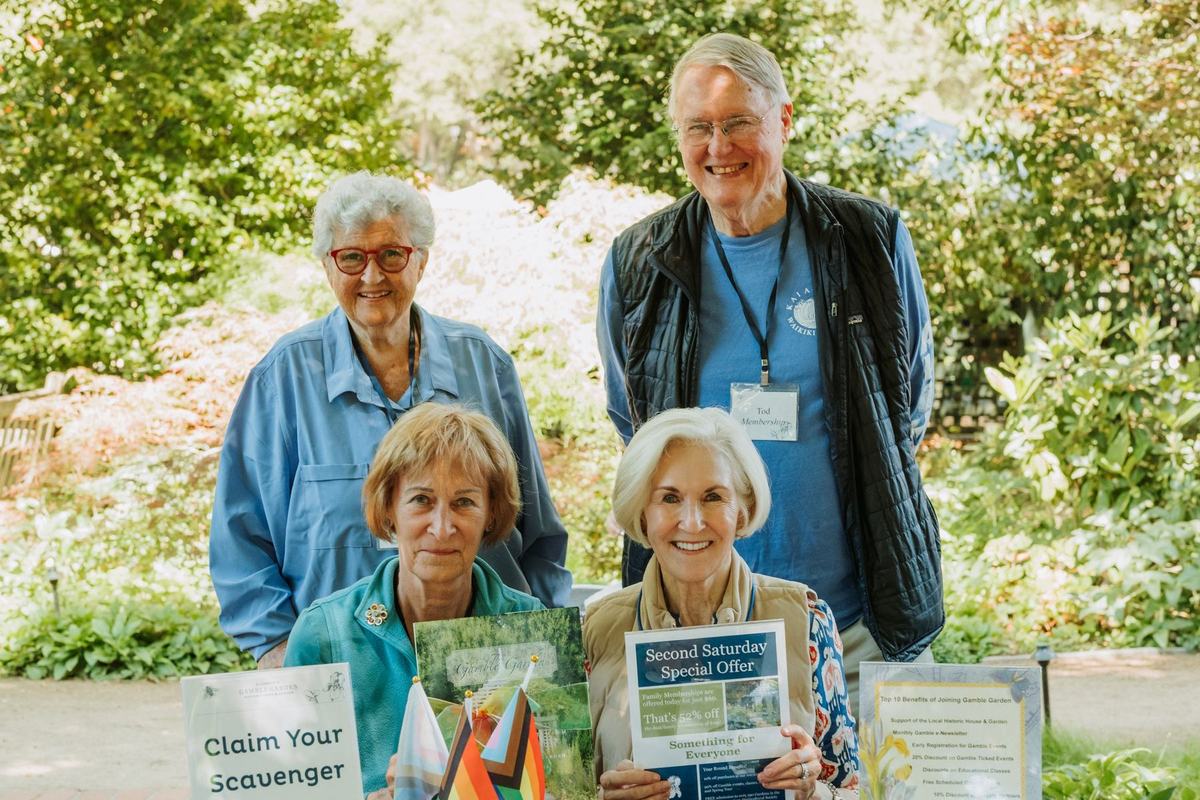
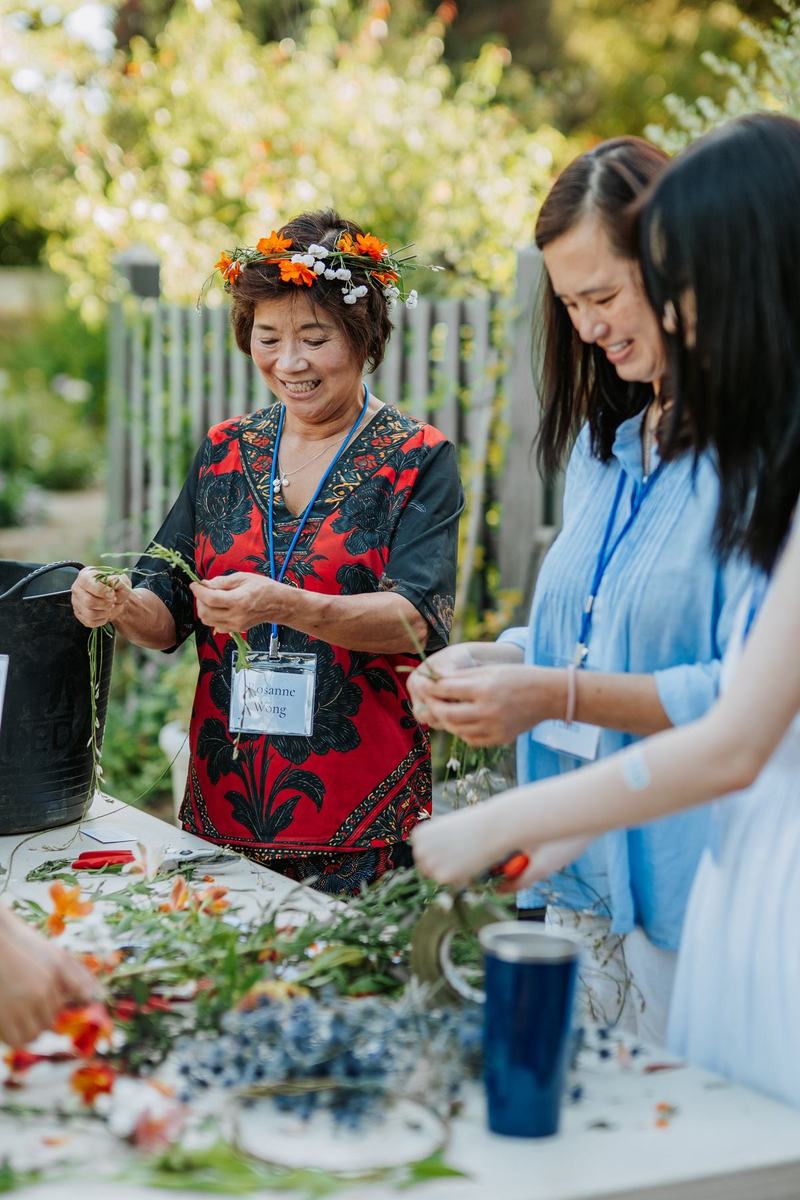
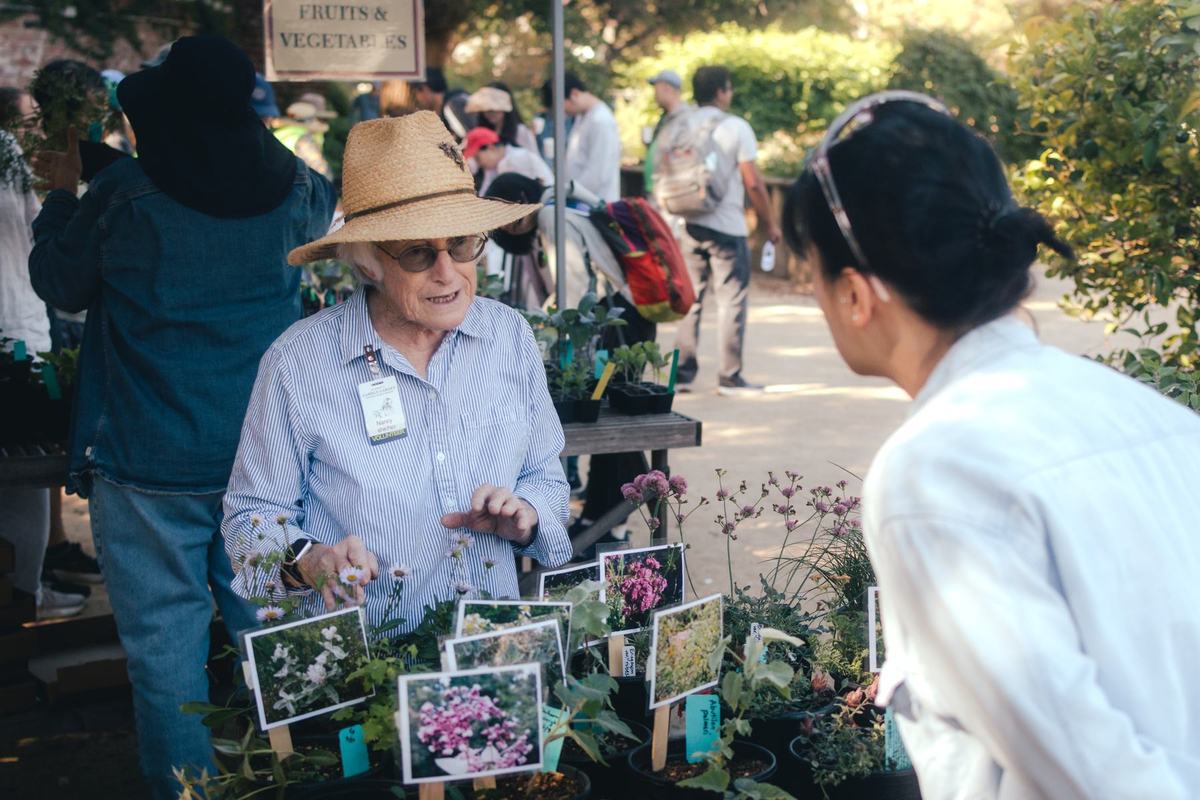
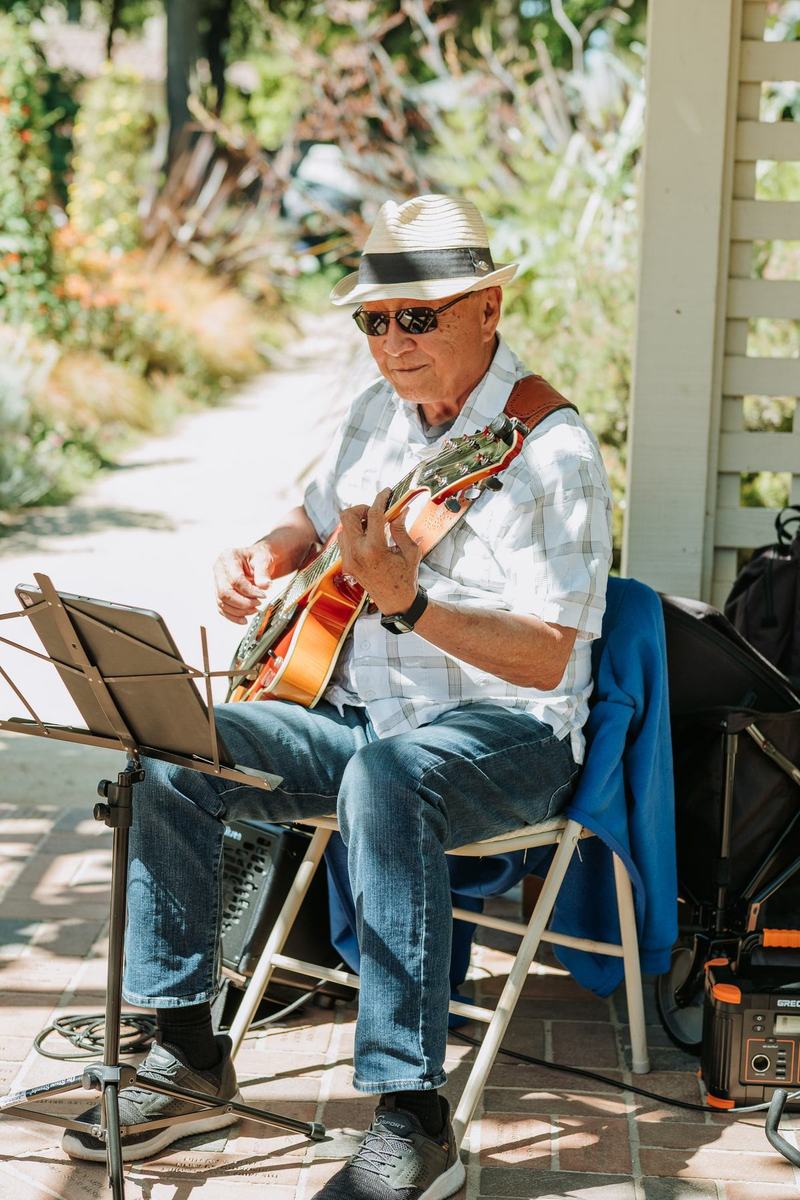
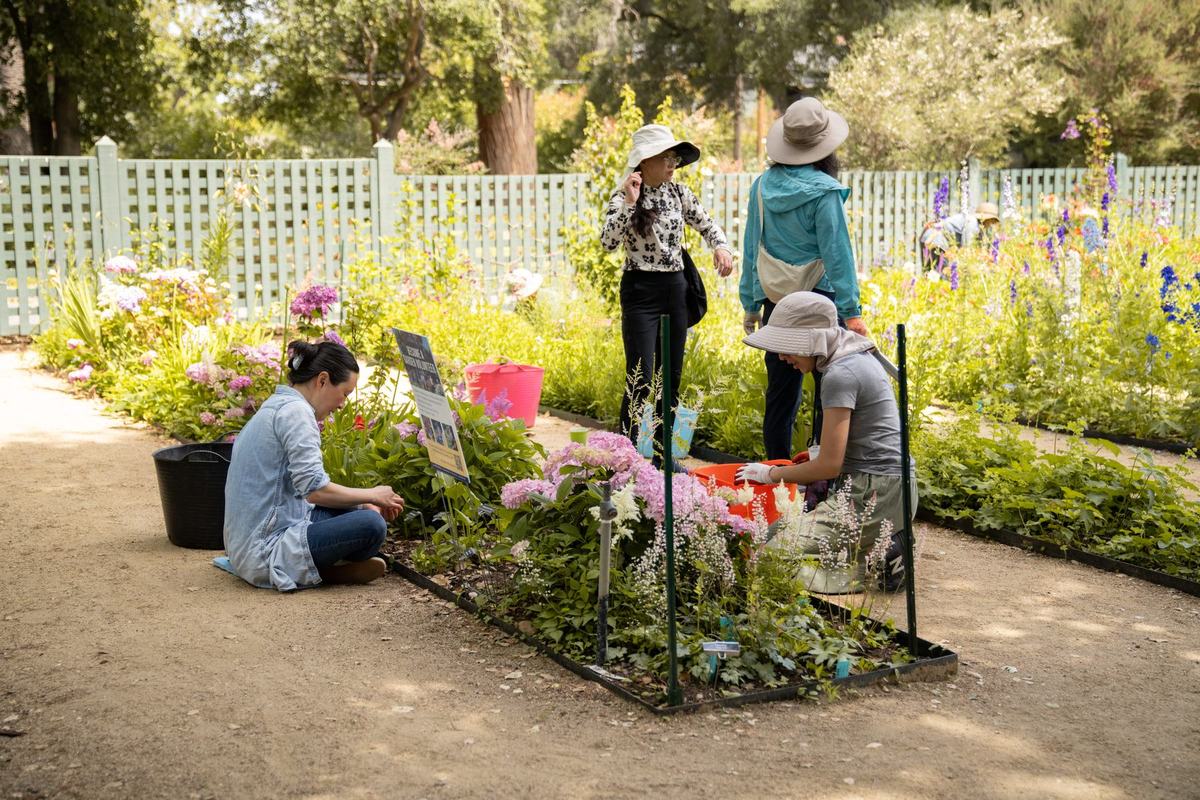
Nearly 300 people became Gamble Garden members this year, many after attending a free event. That's the beauty of keeping the gates open: visitors can discover the Garden without paying a thing, and many choose to become part of the community that sustains it.
450 guests explored the garden through 30 guided tours, more than twice the number two years ago. Private tours grew from seven to seventeen.
Beyond guided tours, community organizations gathered here for everything from horticultural education to neighborhood celebrations. It's what happens when a garden is open to everyone: it becomes a place for the community to make its own.
We welcomed garden clubs, horticulture students, retirement communities, and a delegation from the American Public Gardens Association.
Six organizations hosted gatherings here, including Canopy's Edible Urban Forest tree walk, the Chamber of Commerce's Leadership Palo Alto orientation, Neighbors Abroad's new member reception, Northern California Camellia Society, and Foothill College horticulture students.
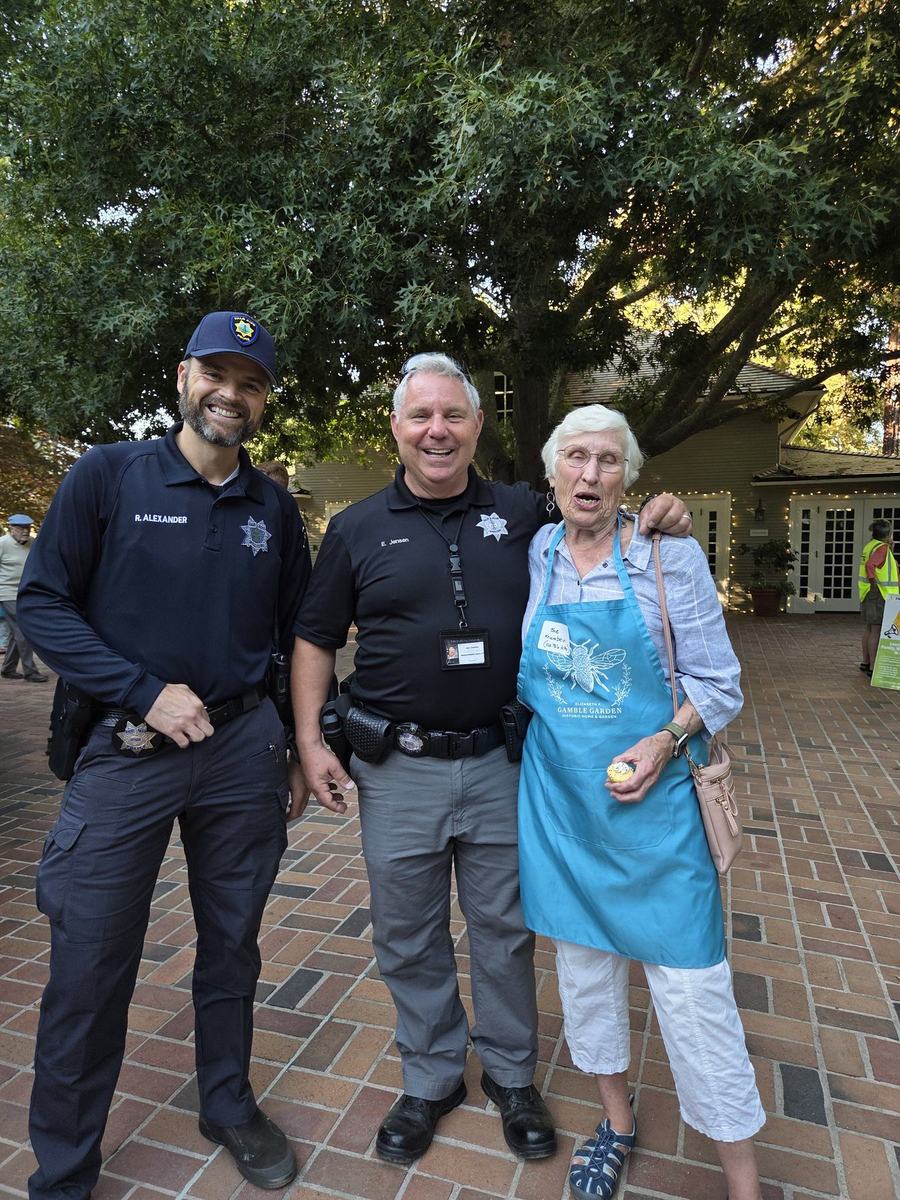
Youth Community Service held service days, and neighbors gathered for their annual National Night Out block party. We also welcomed visitors from around the world, with 35 international guests signing the guest book.
"Gamble Garden is one of those places I keep coming back to. I've been with my kids for casual visits, attended community events, and even went to a wedding here, it always feels peaceful and beautiful."
Second Saturday
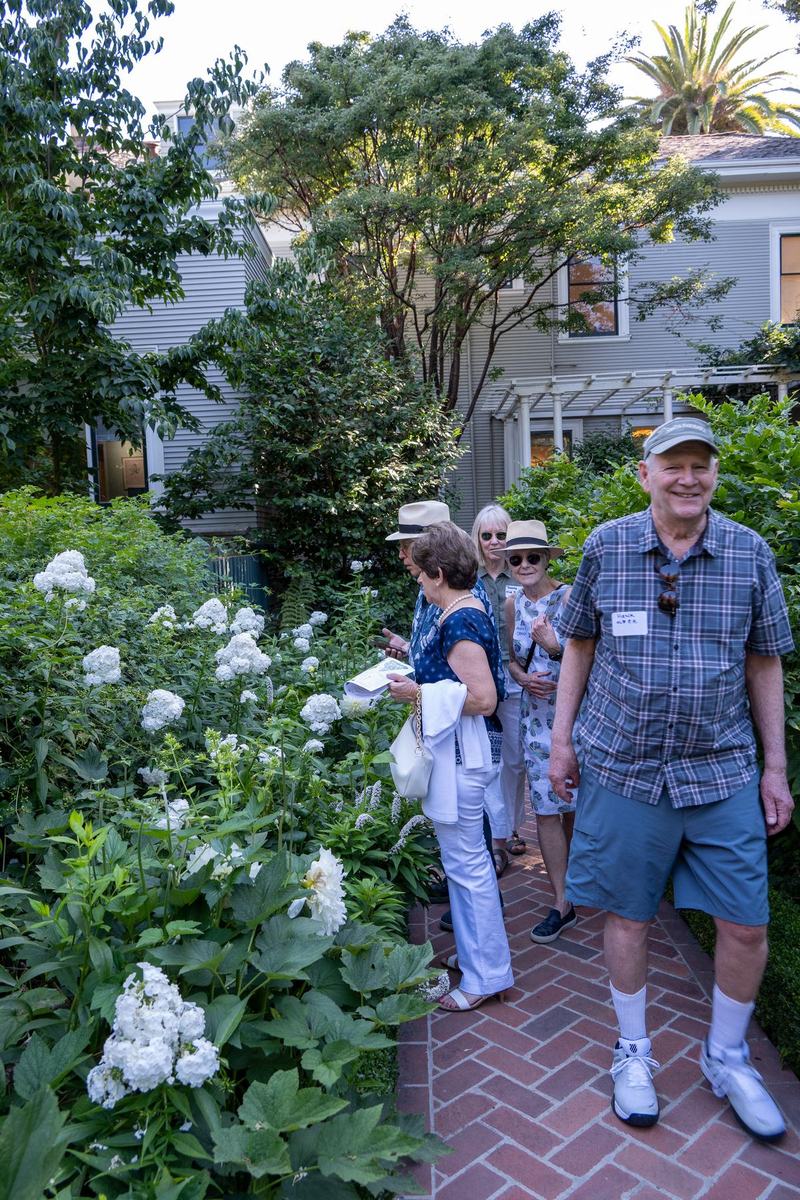
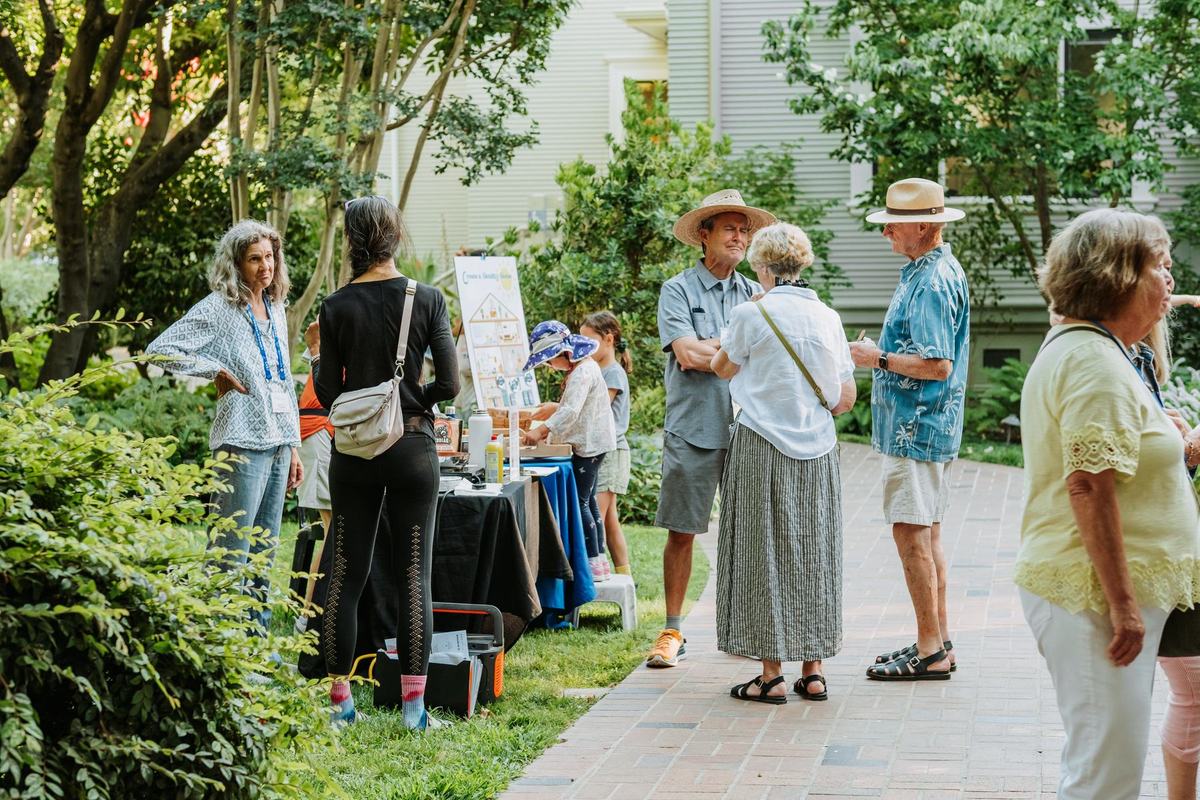
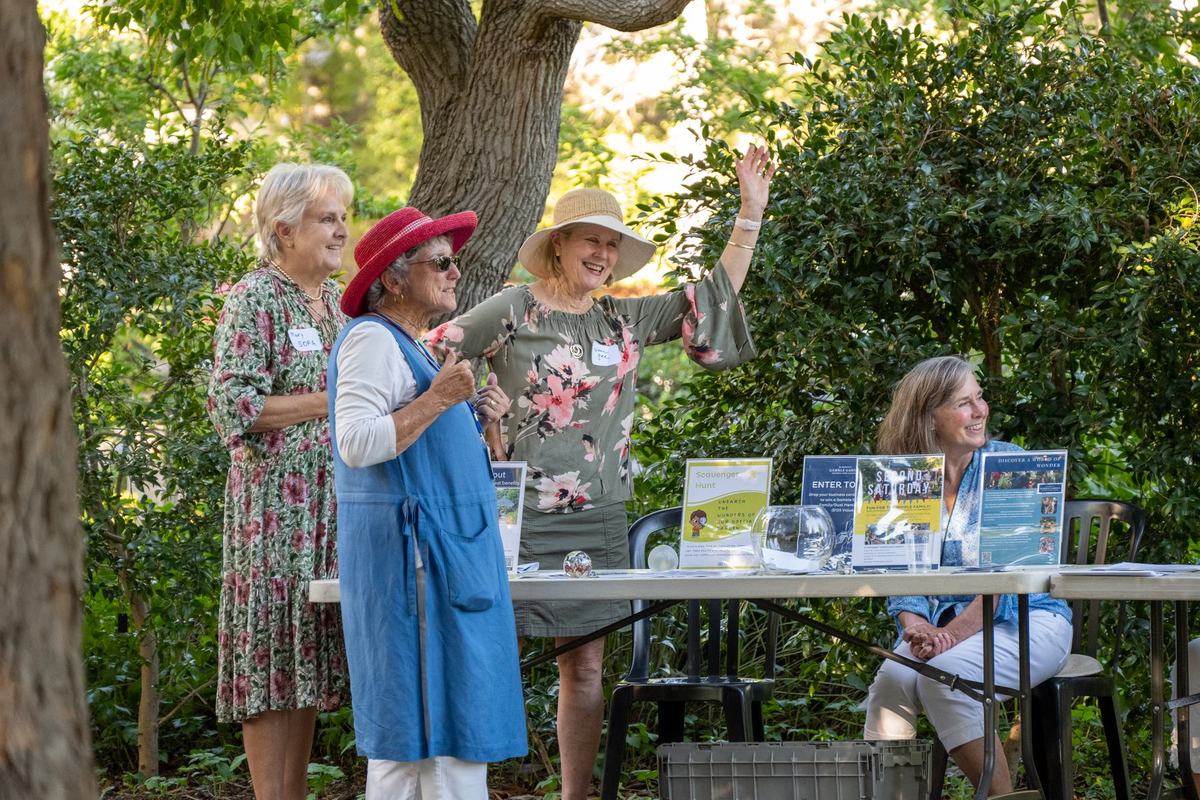
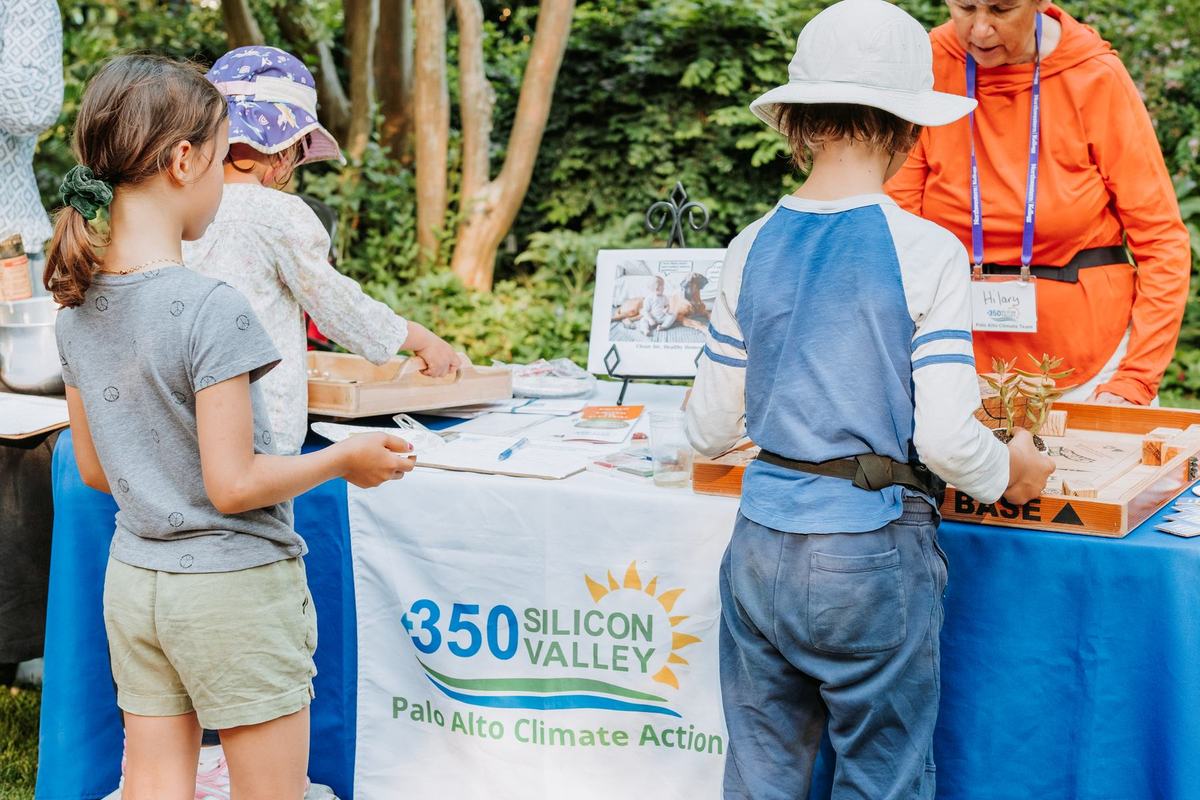
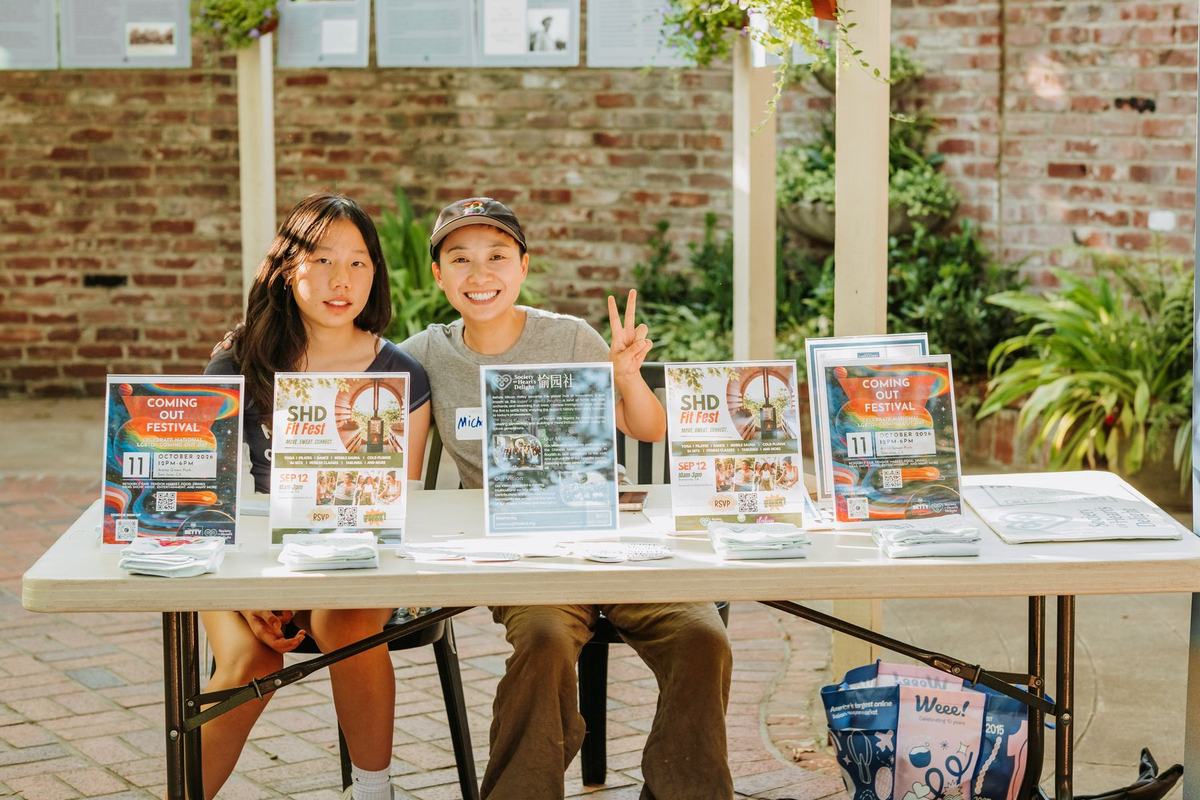
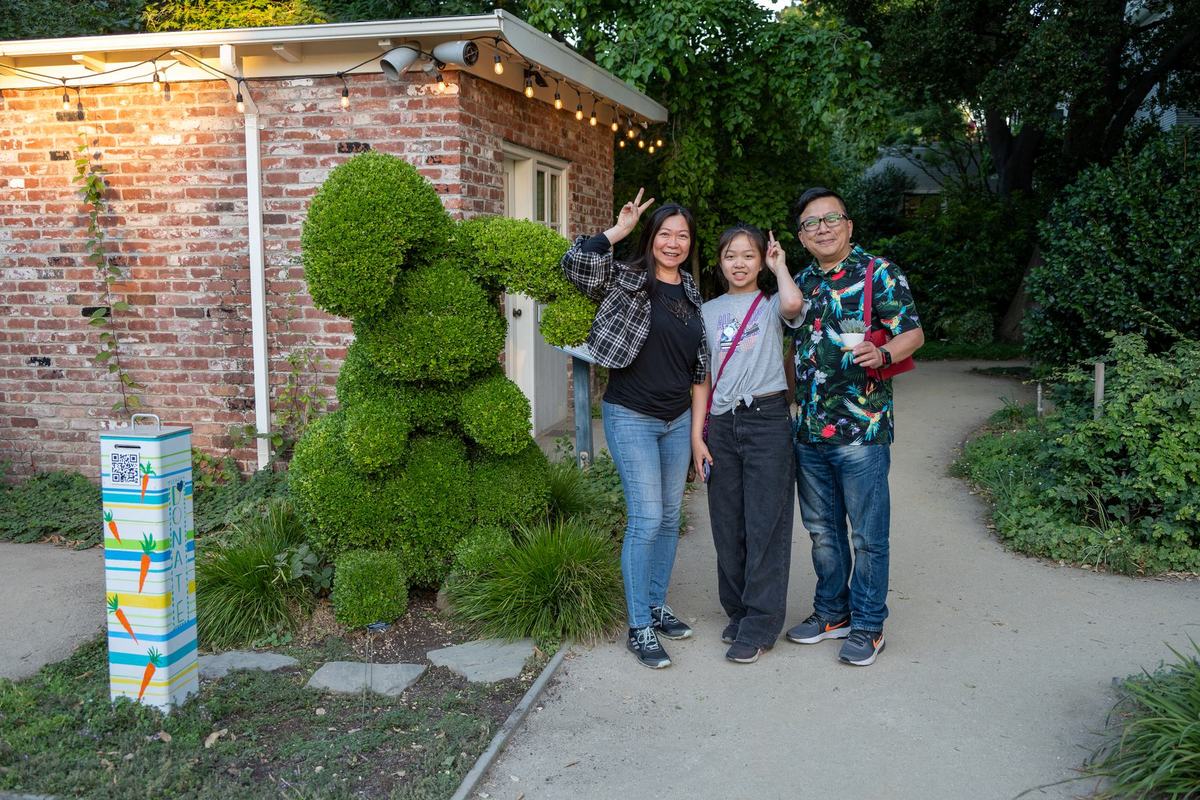
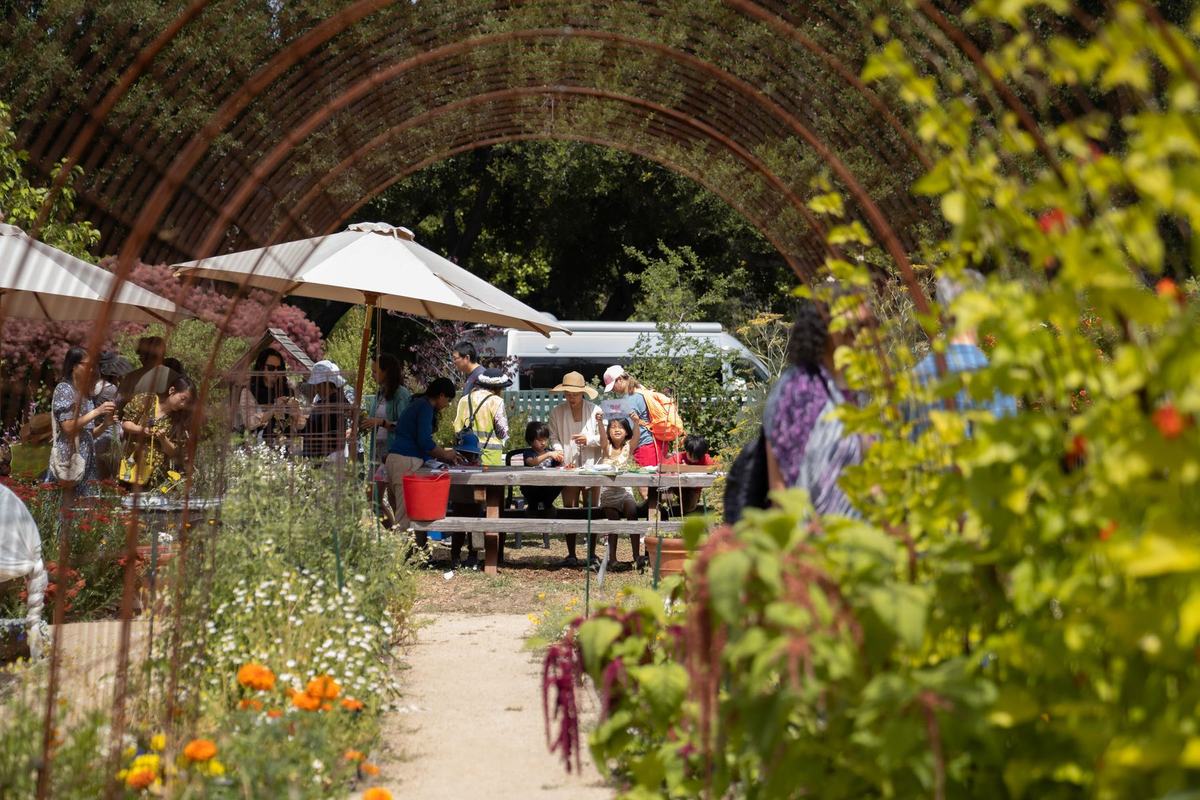
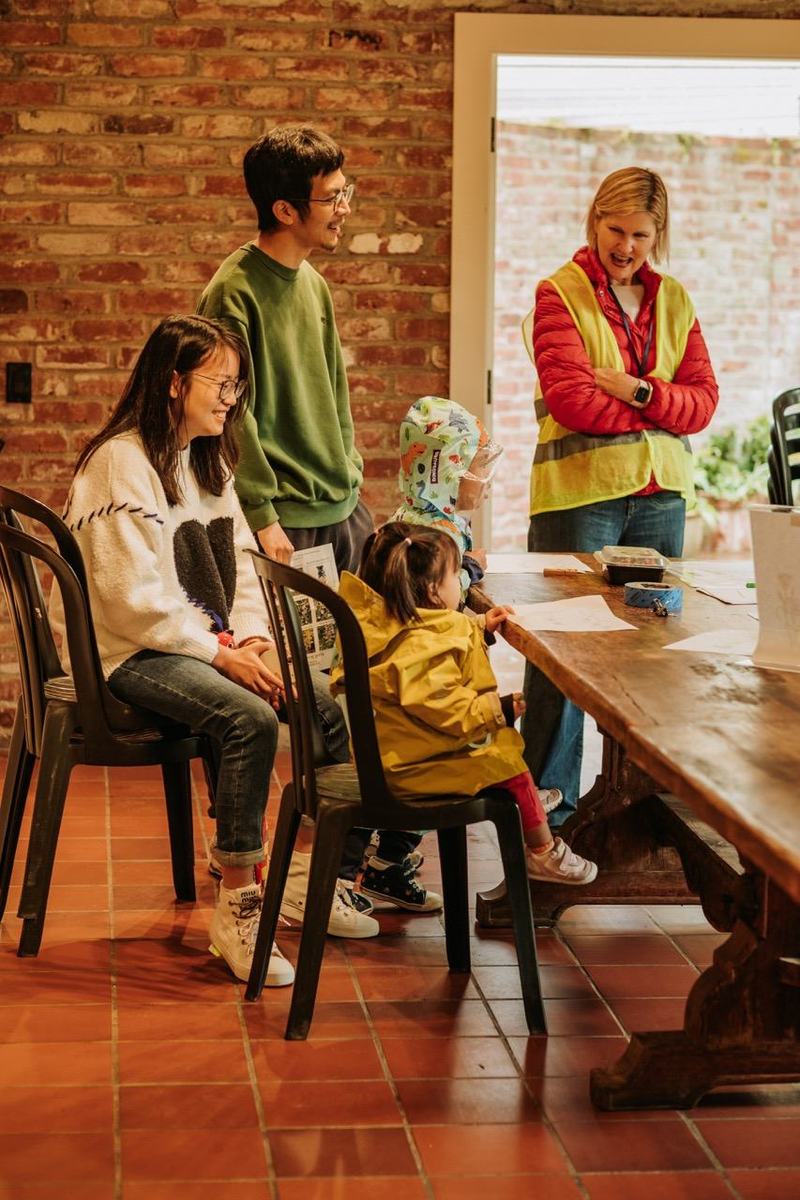
On the second Saturday of each month, Gamble Garden comes alive with free activities for all ages. Guests gather for hands-on science stations, crafts, live music, storytime, and guided garden tours. Each month brings a new theme and opportunities to learn, explore, and connect with the community.
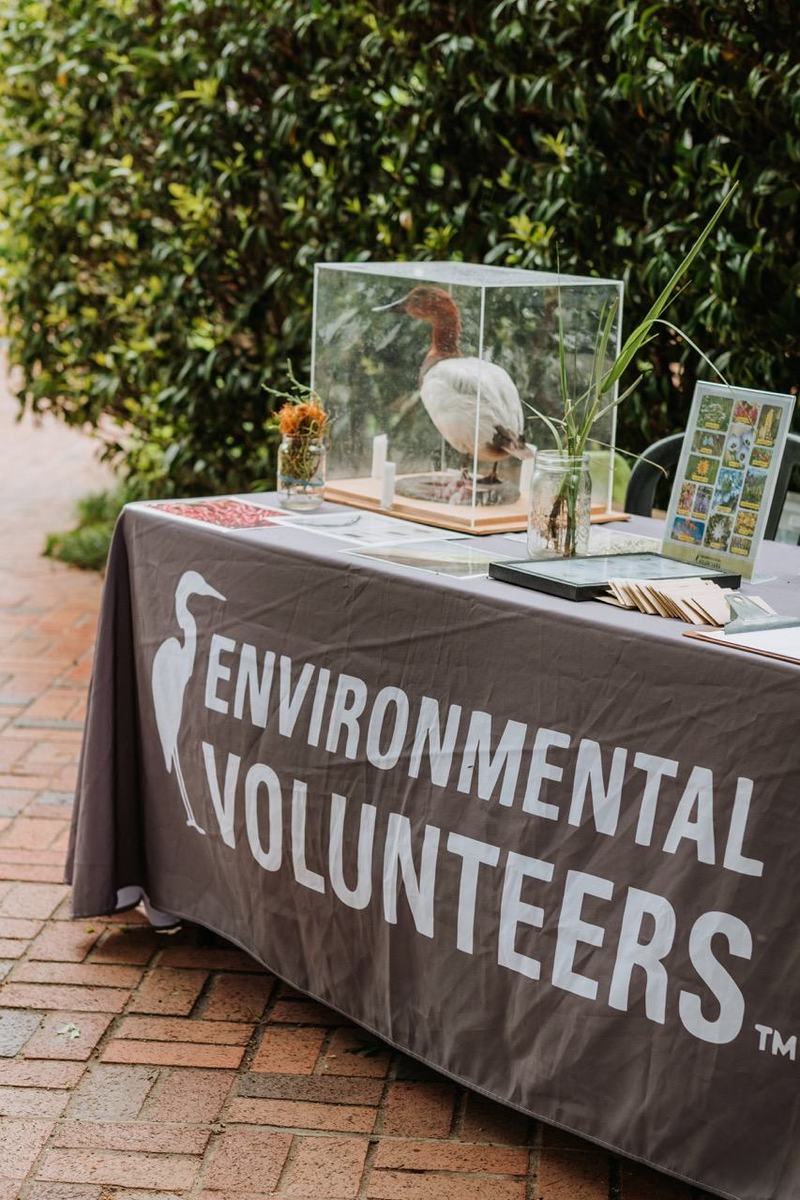
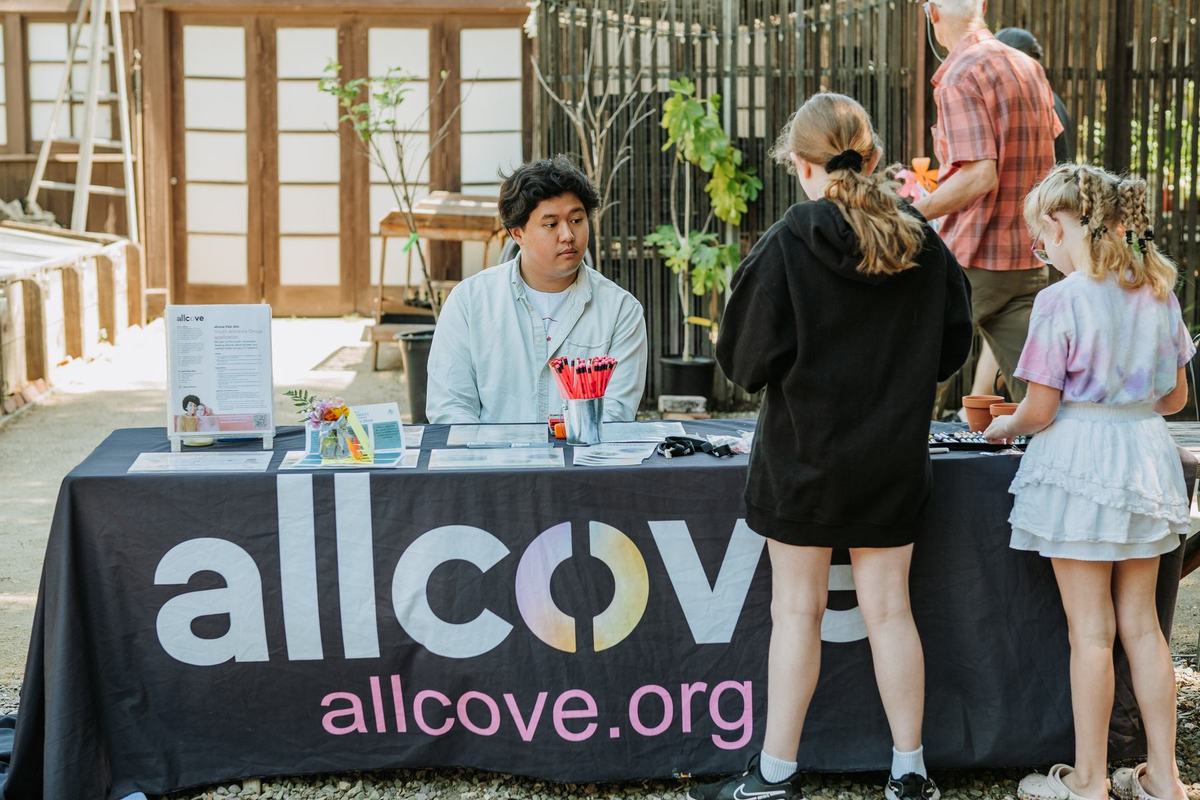
This year, eleven Second Saturdays welcomed more than 1,000 visitors, with community partners joining us 33 times. Themes ranged from soil, water, and pollinators to Lunar New Year, Women's History Month, and Pride.
What began as an annual Community Day has grown into a monthly program drawing visitors from across the Peninsula, the East Bay, the North Bay, and beyond. Program Coordinators Grace Floyd and Nia Combs, together with Garden Director Corey Andrikopoulos, developed activities for all ages and expanded partnerships with local organizations.
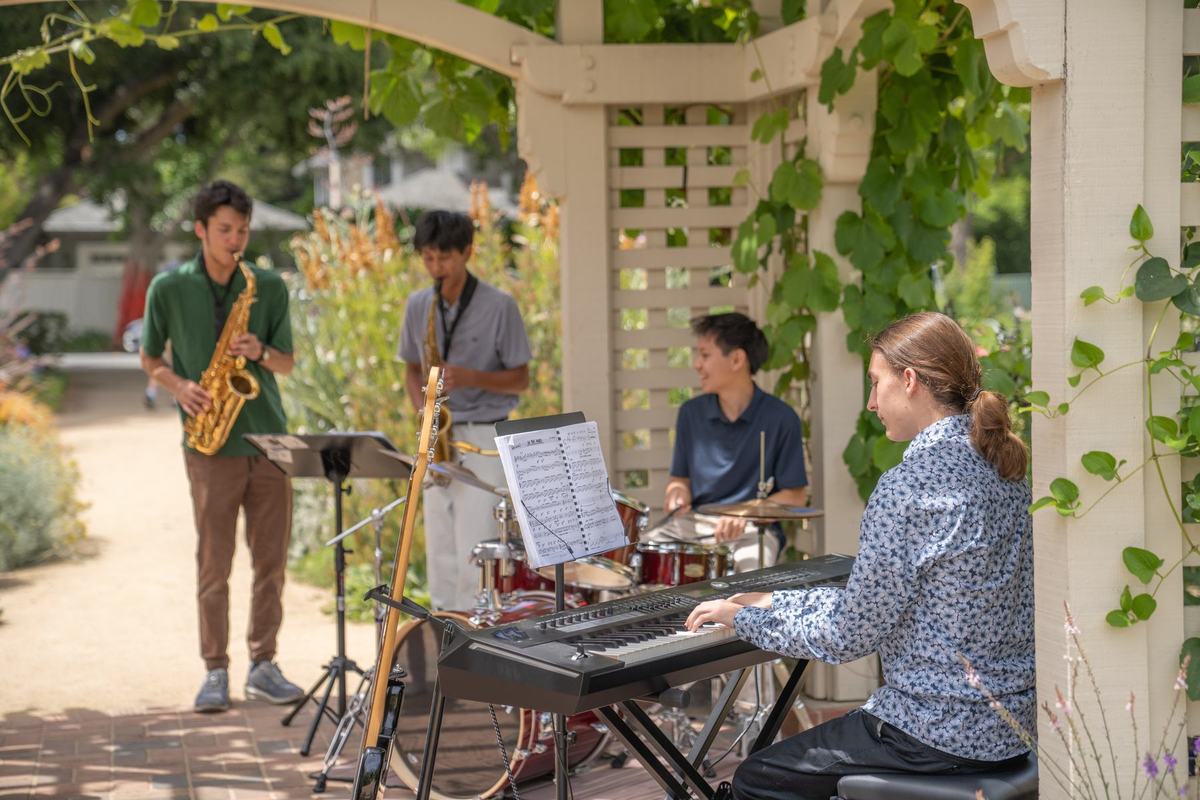
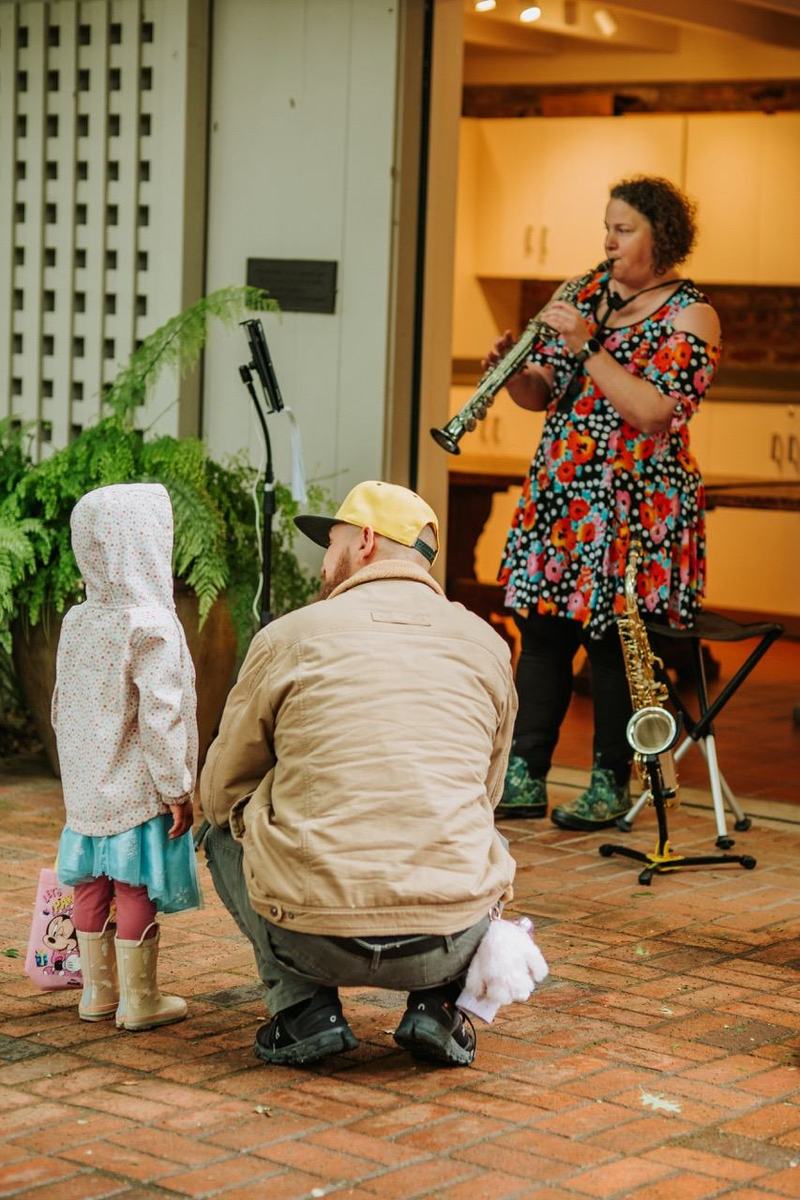
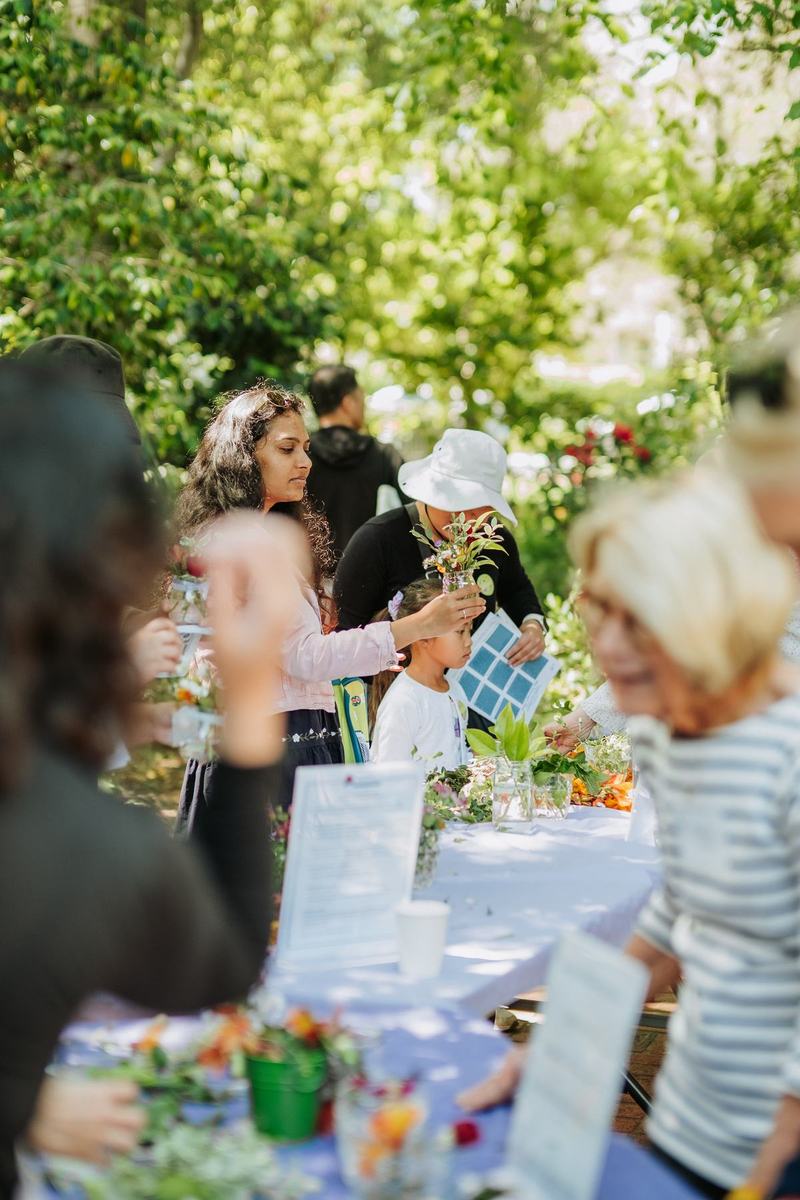
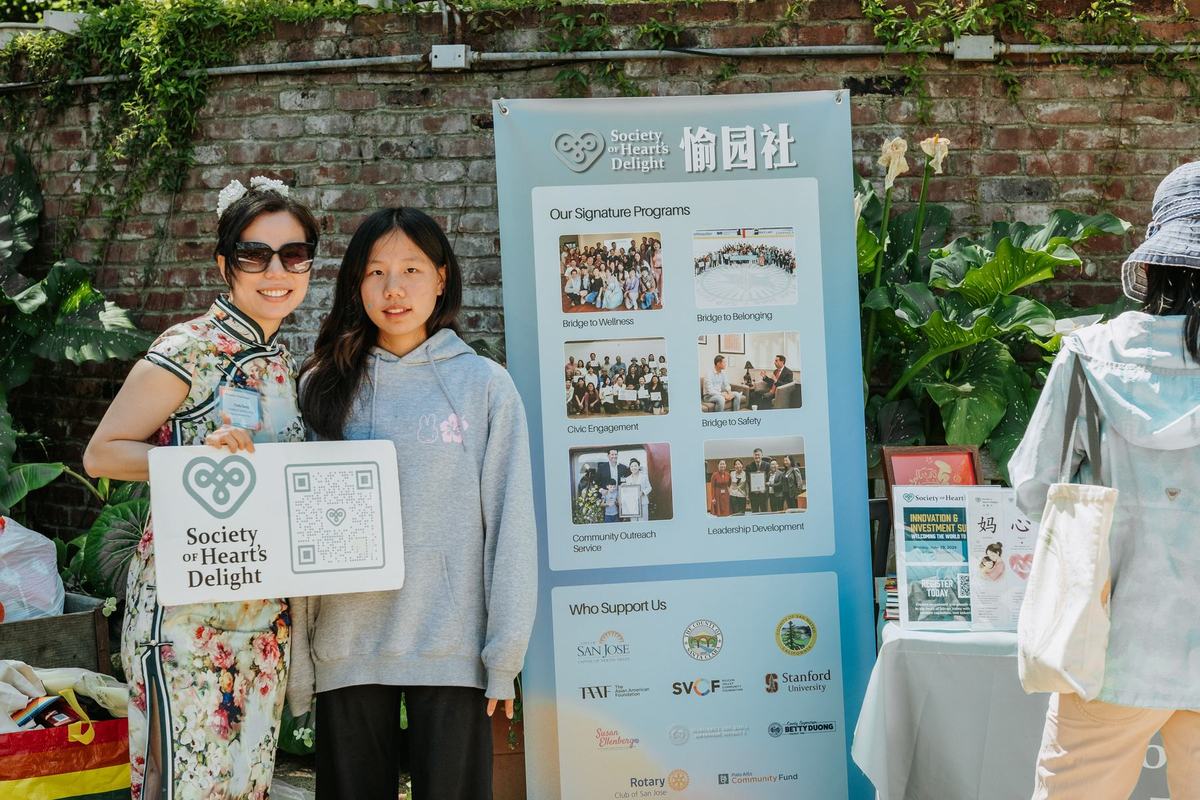
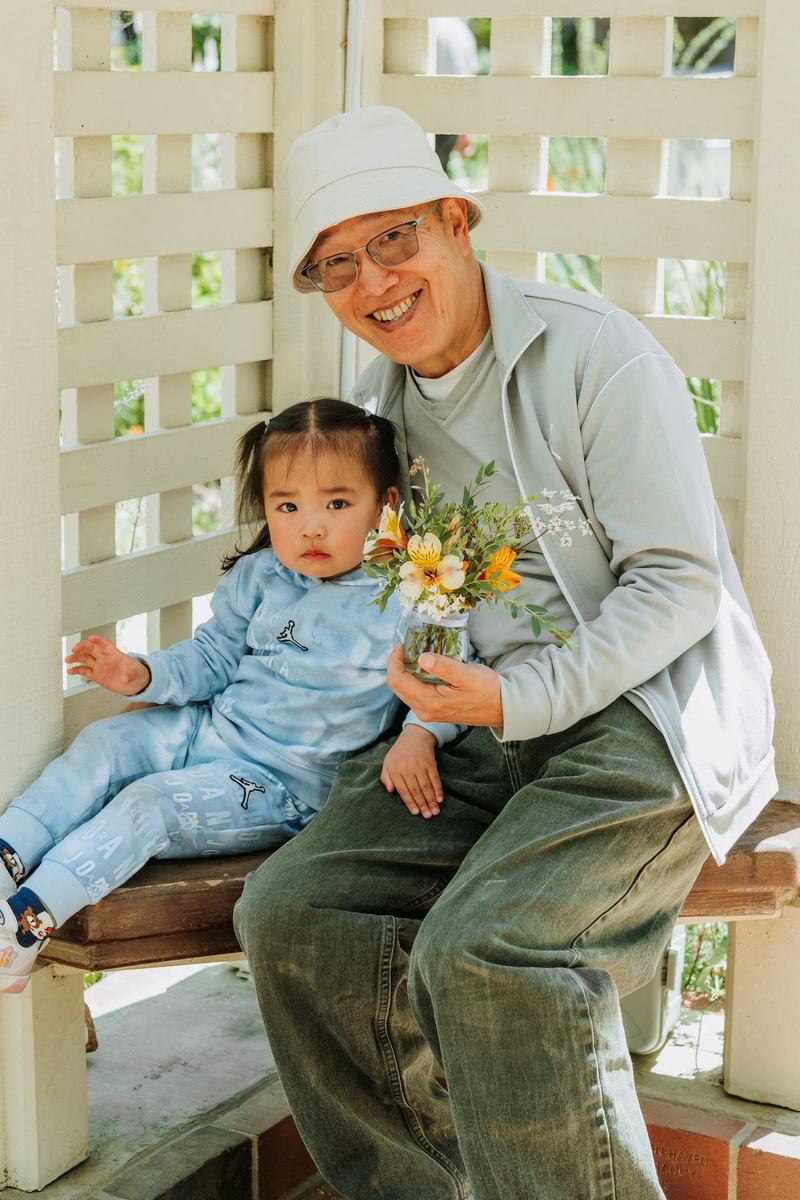
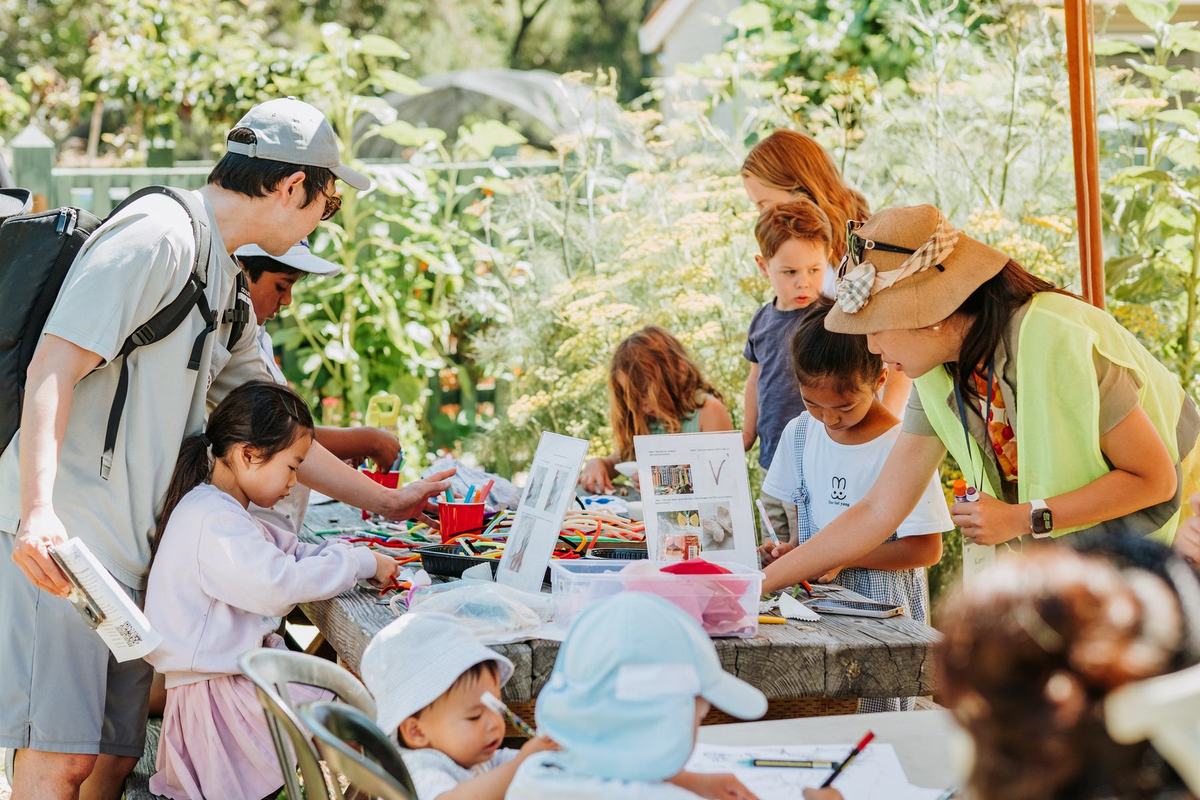
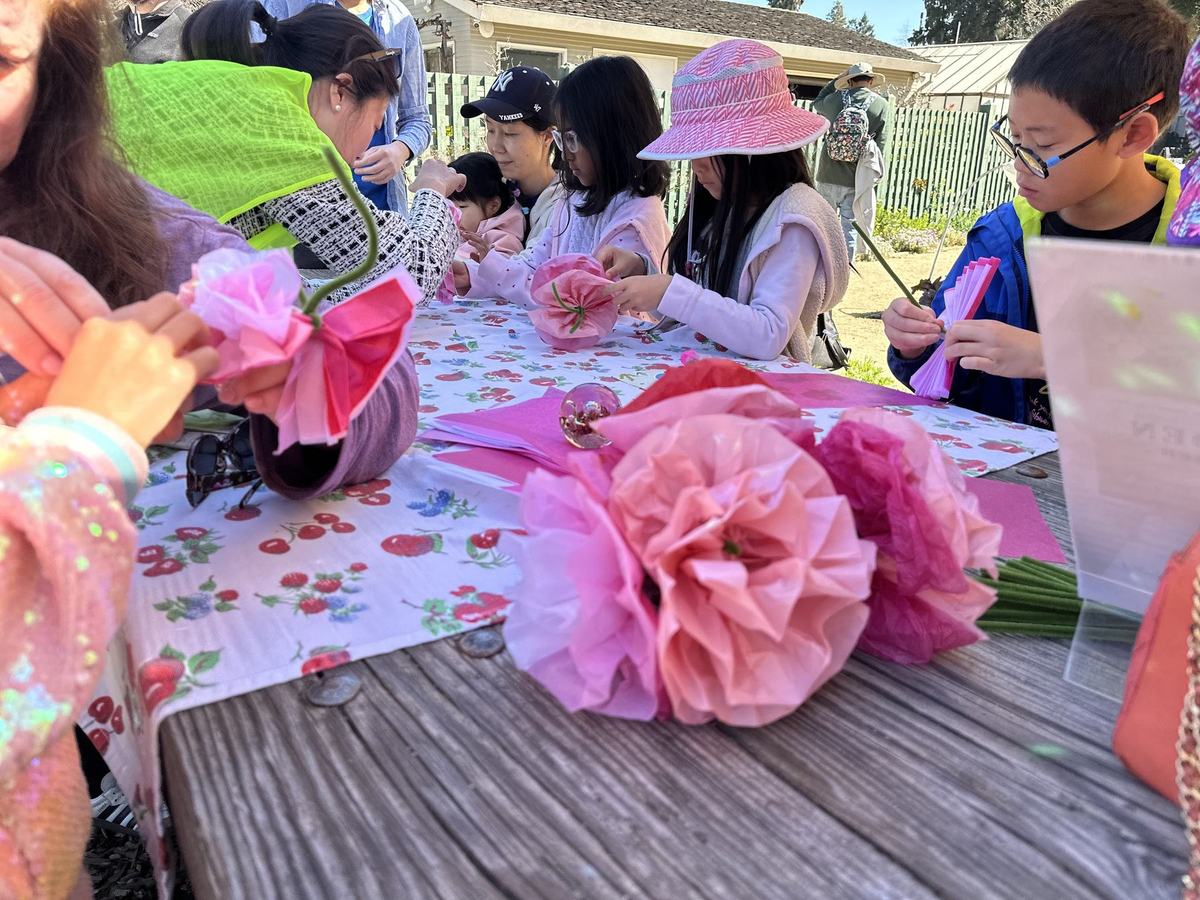
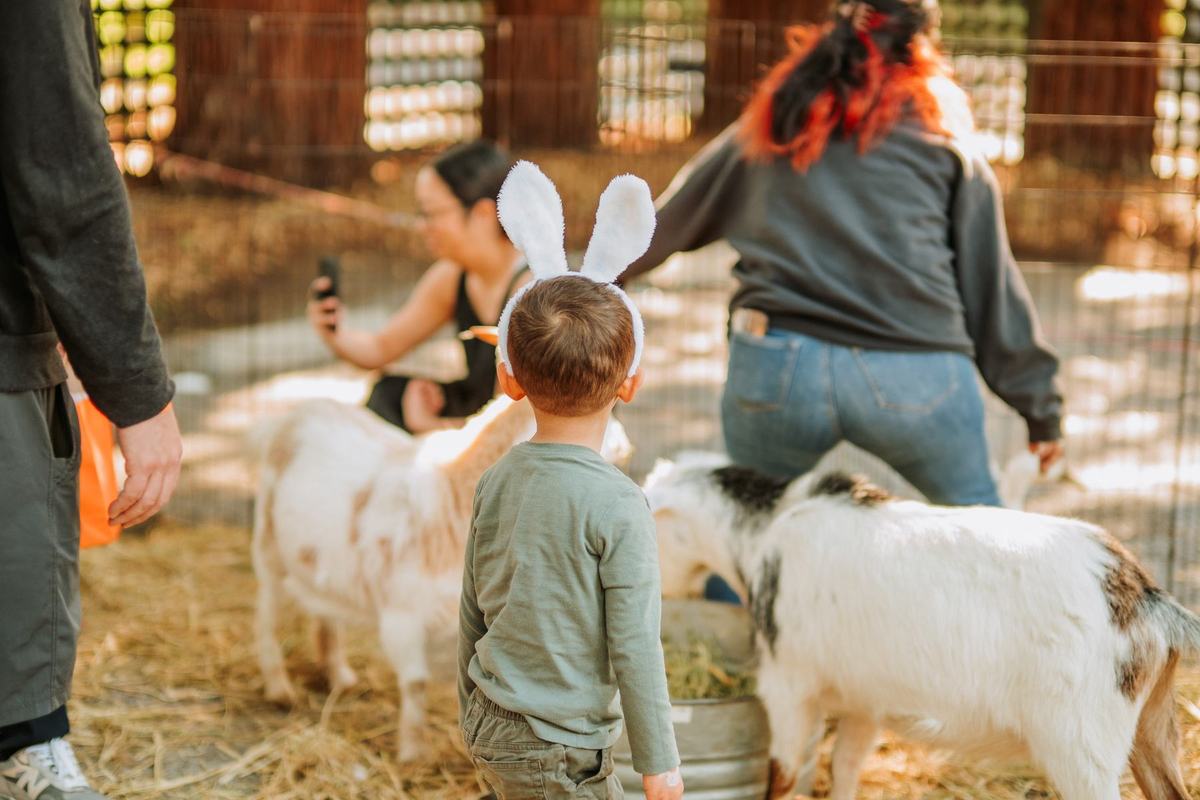
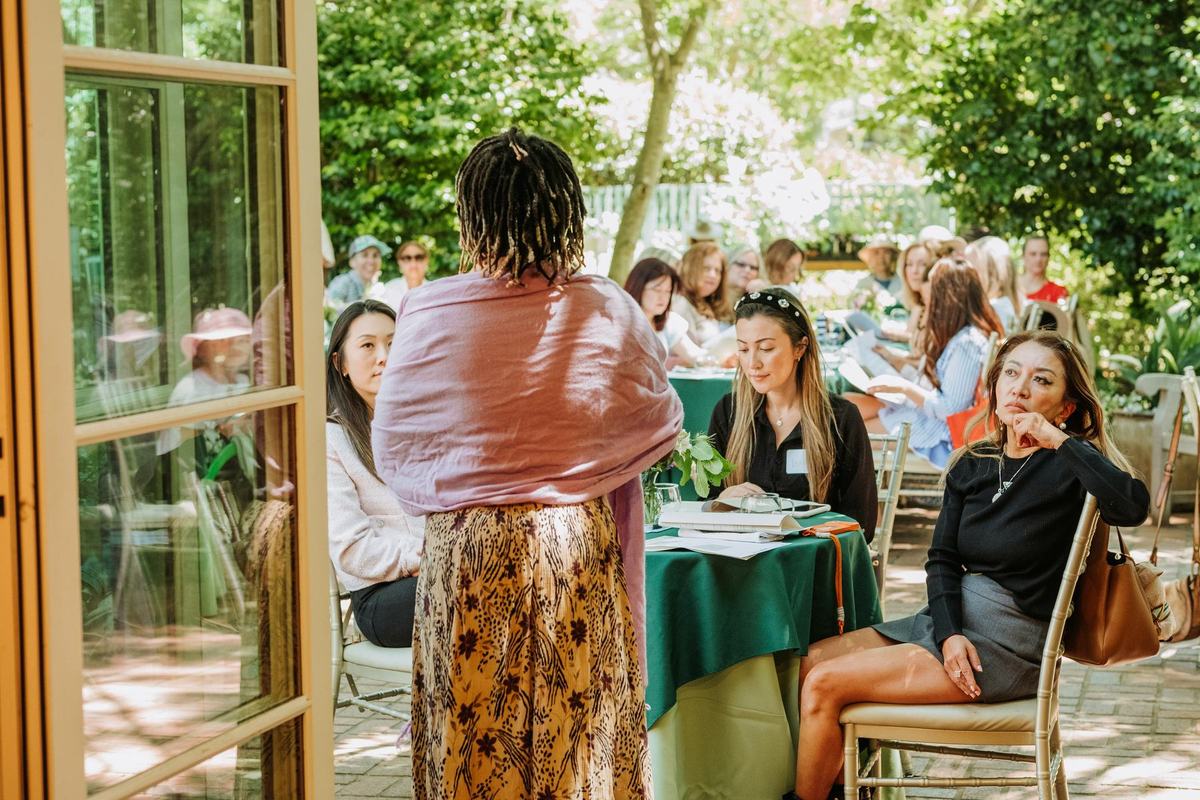
From Easter egg hunts to Garden Fresh Luncheons, Gamble Garden offers special experiences that bring guests back year after year. Three children's events welcomed 544 guests, including our popular Easter Egg Hunt. Our thirteen Garden Fresh Luncheons sold out, bringing 650 guests together for seasonal meals prepared and served by volunteers.
What We Celebrated
Spring Tour opens the gates to some of Palo Alto's most beautiful private gardens, with Gamble Garden at the heart of it all. Our largest annual event, Spring Tour brings together more than 200 volunteers to produce the garden tour, Preview Party, and Marketplace.
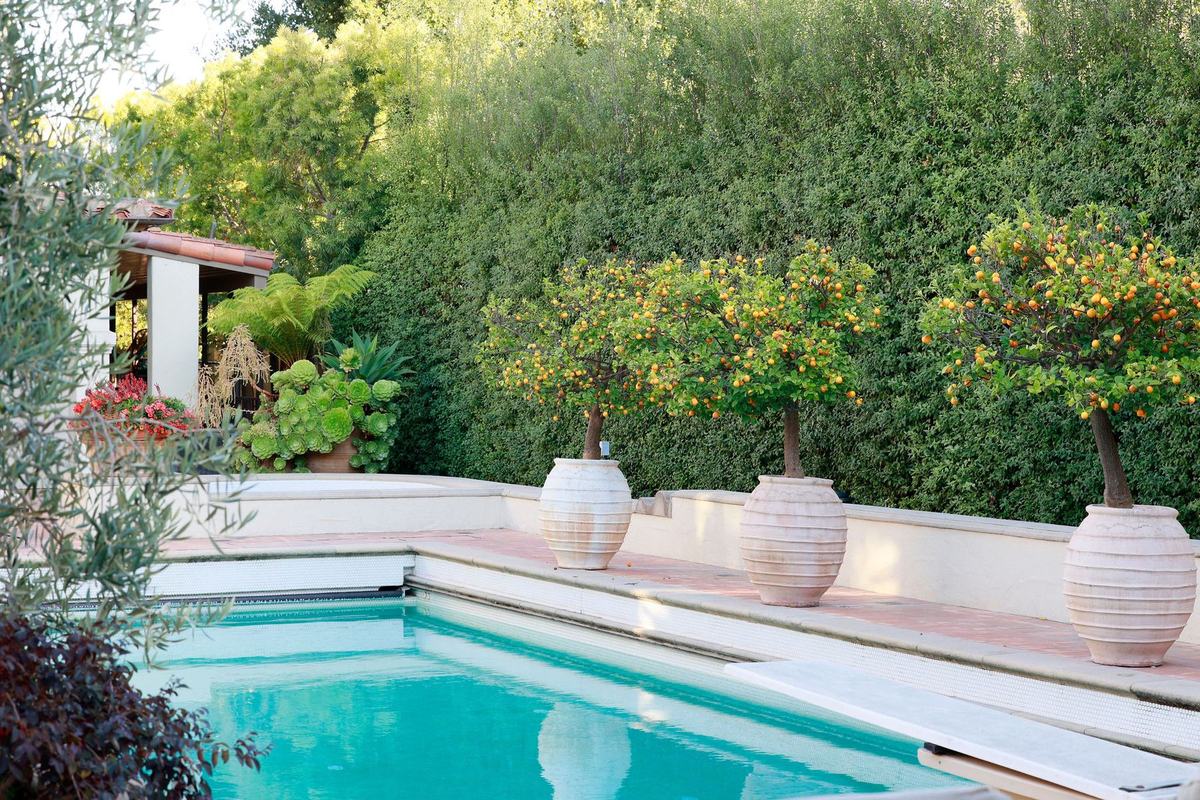
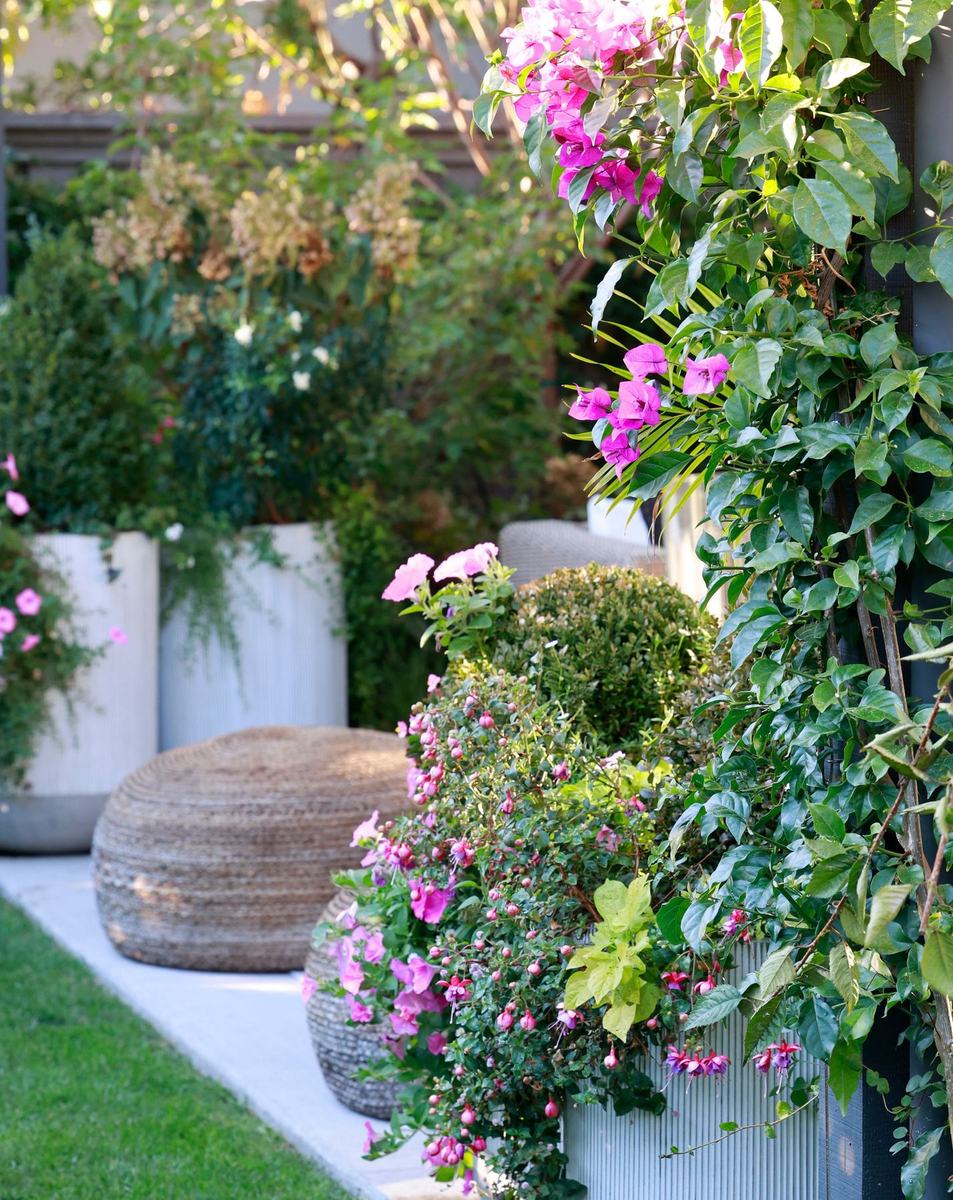
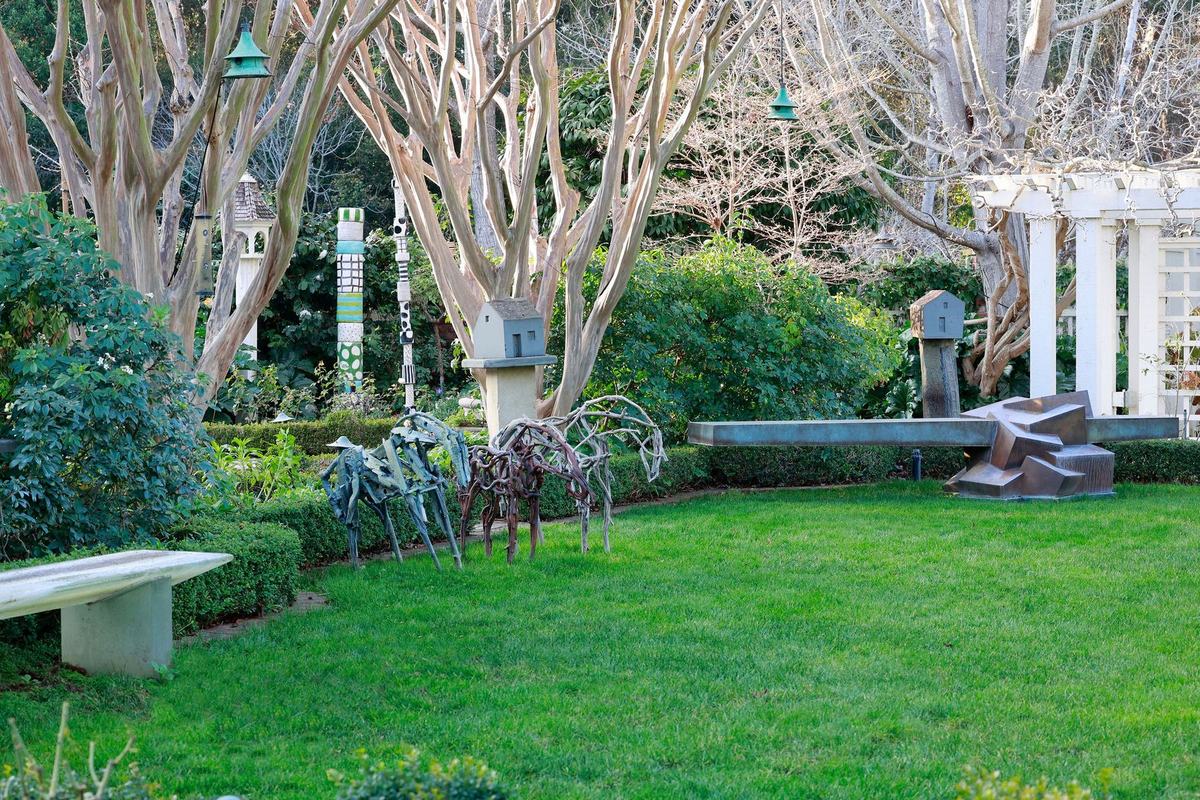
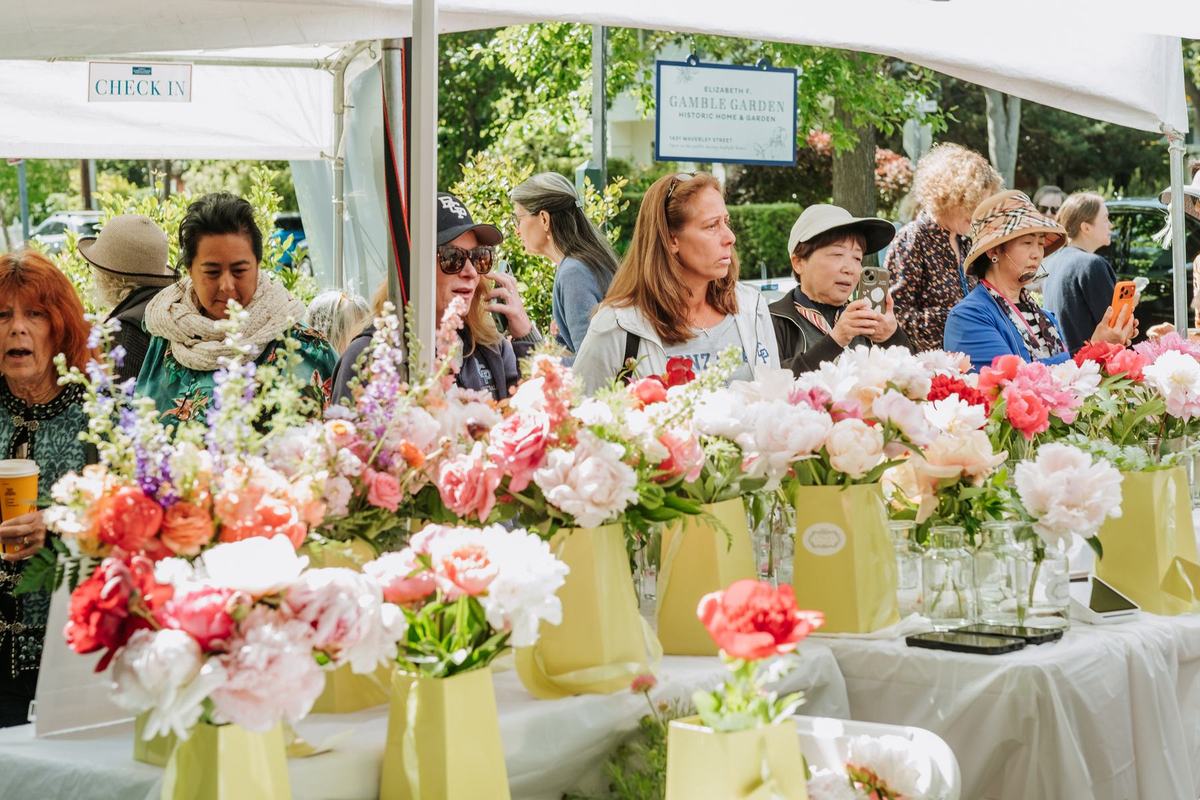
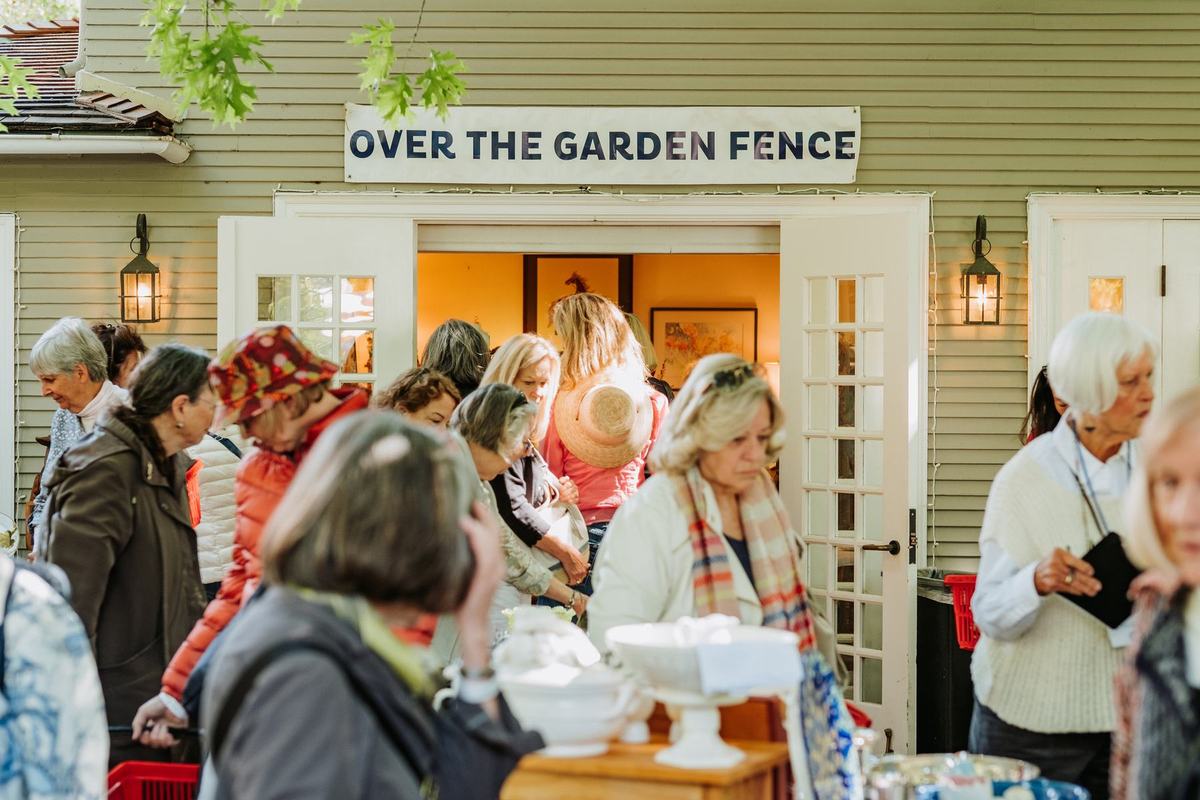
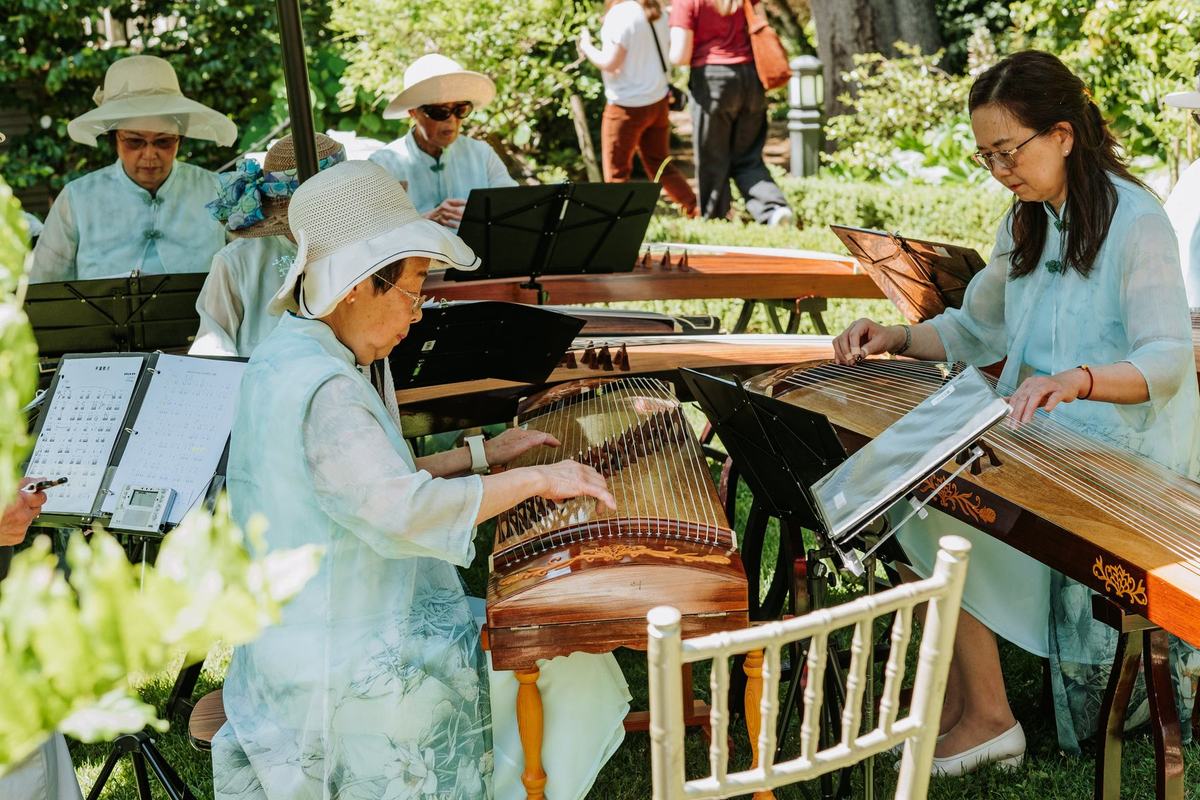
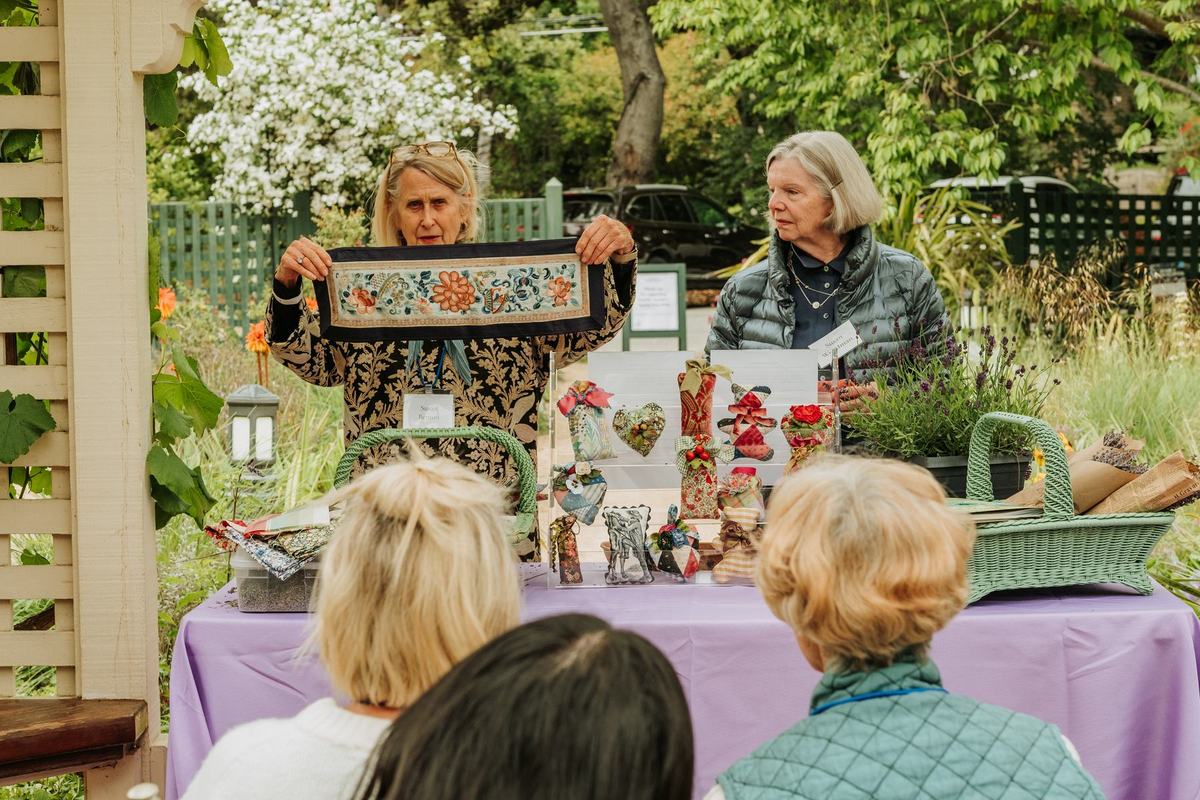
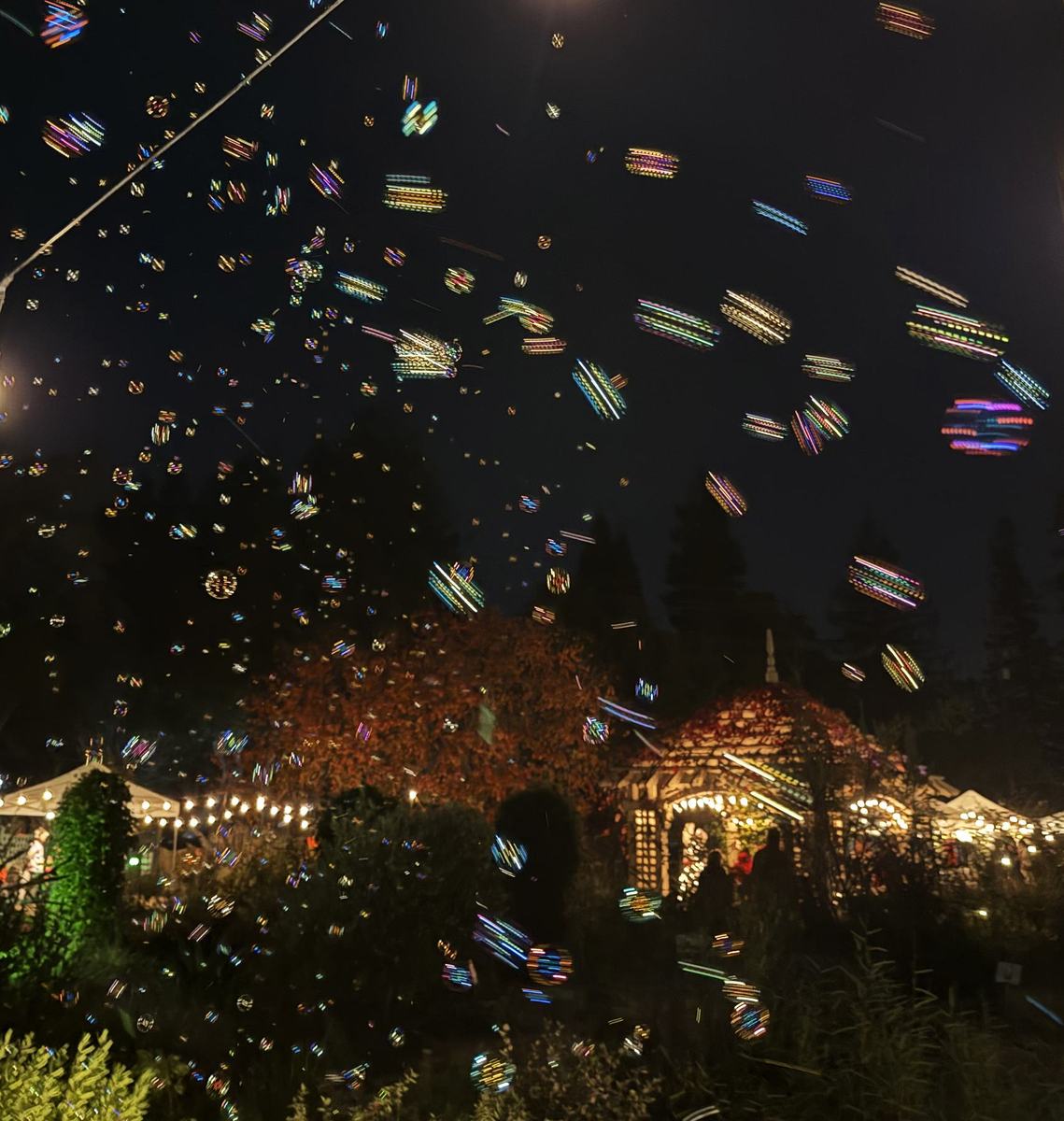
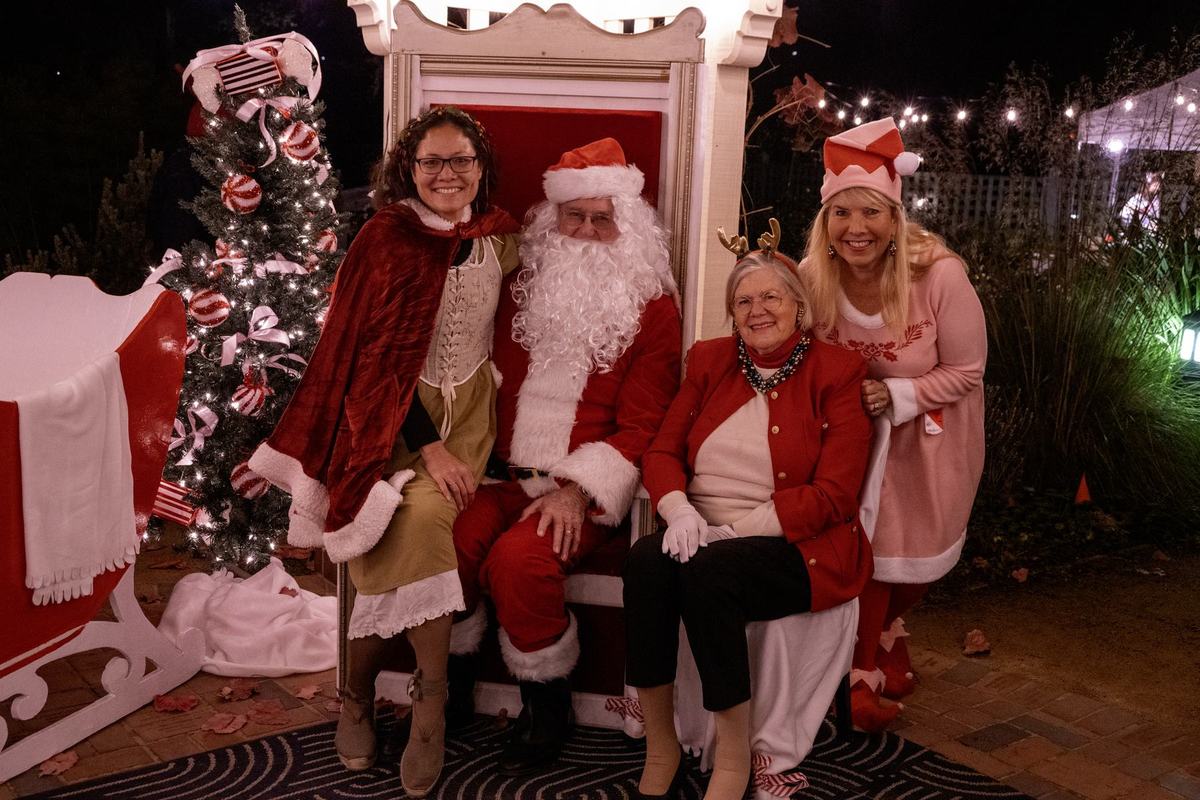
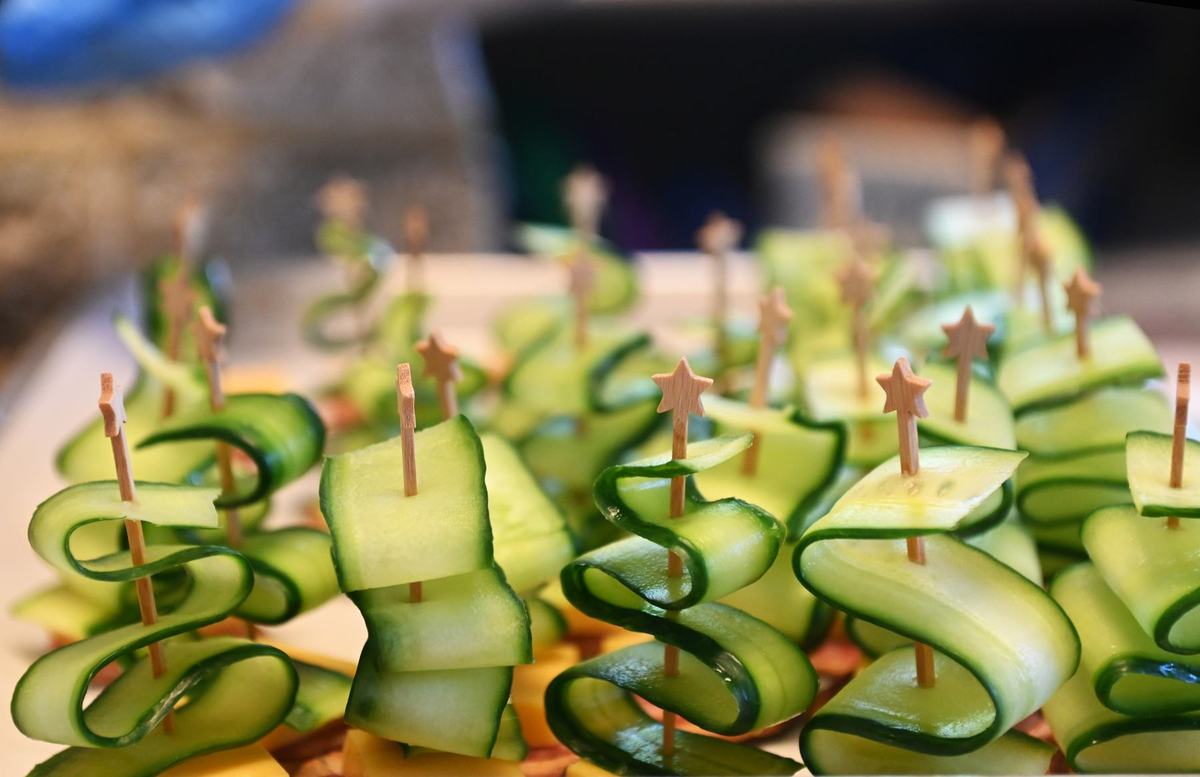
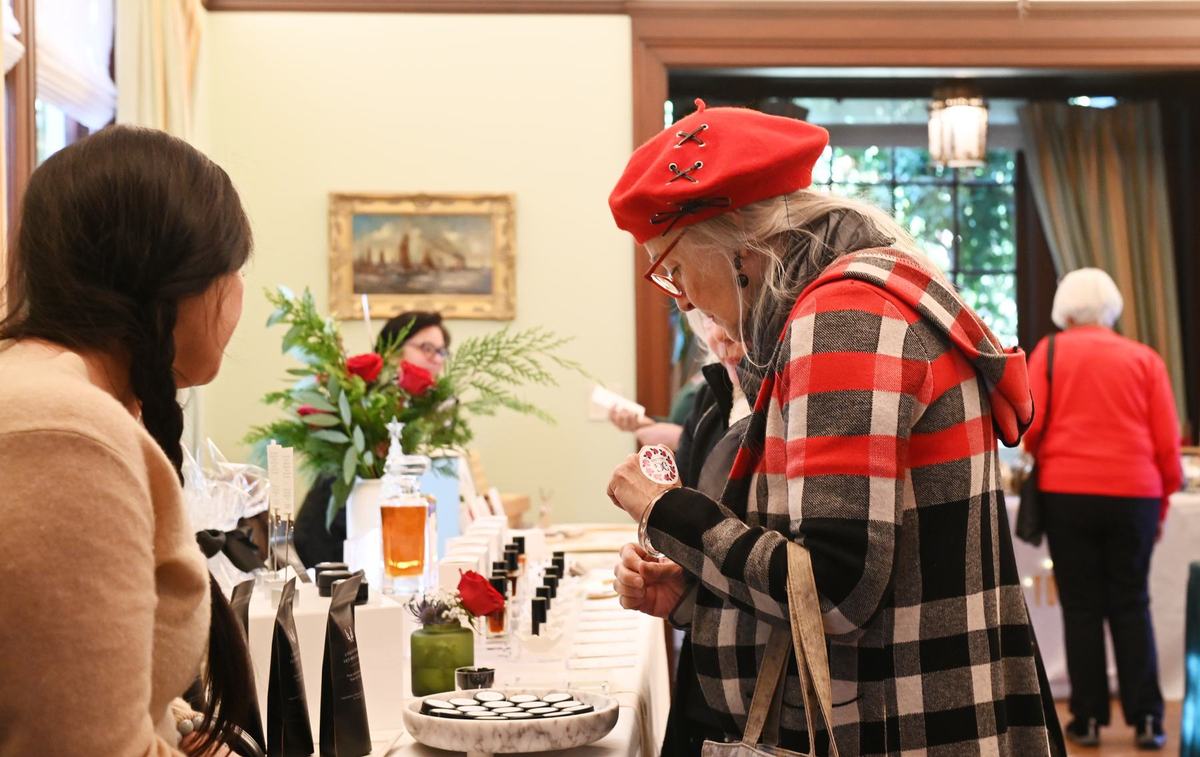
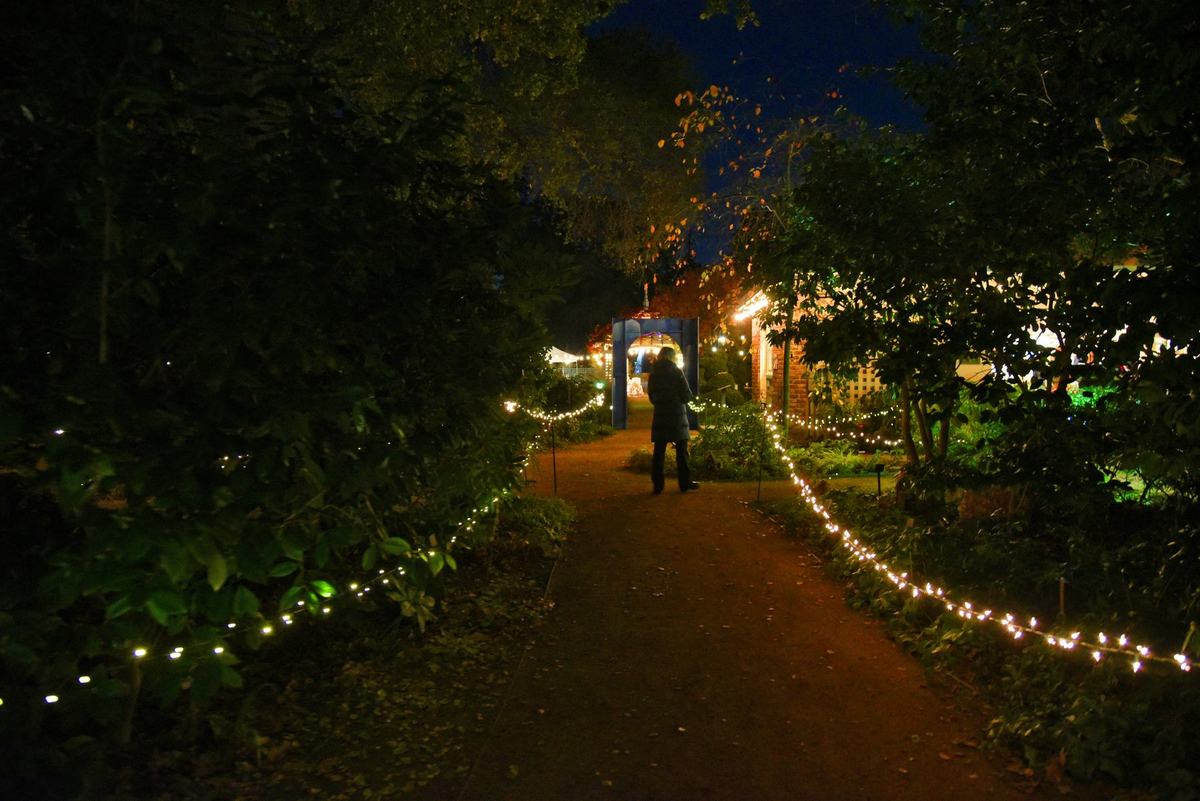
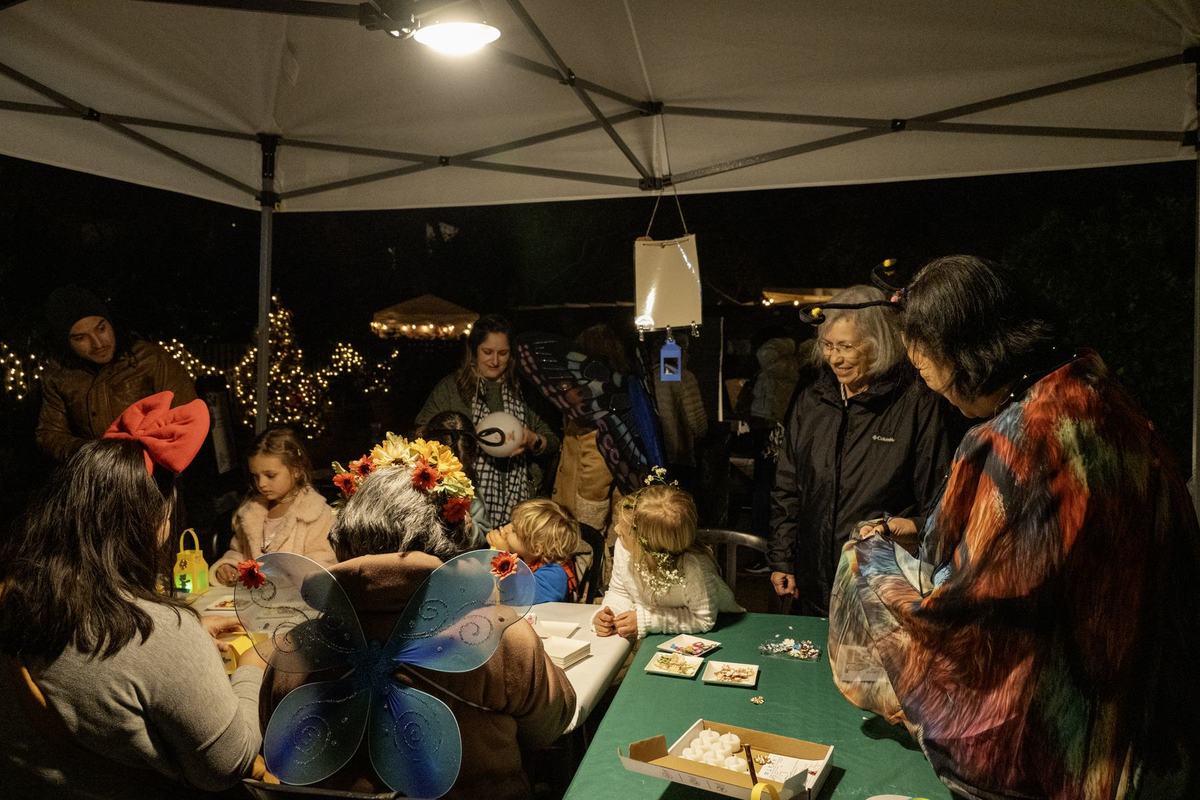
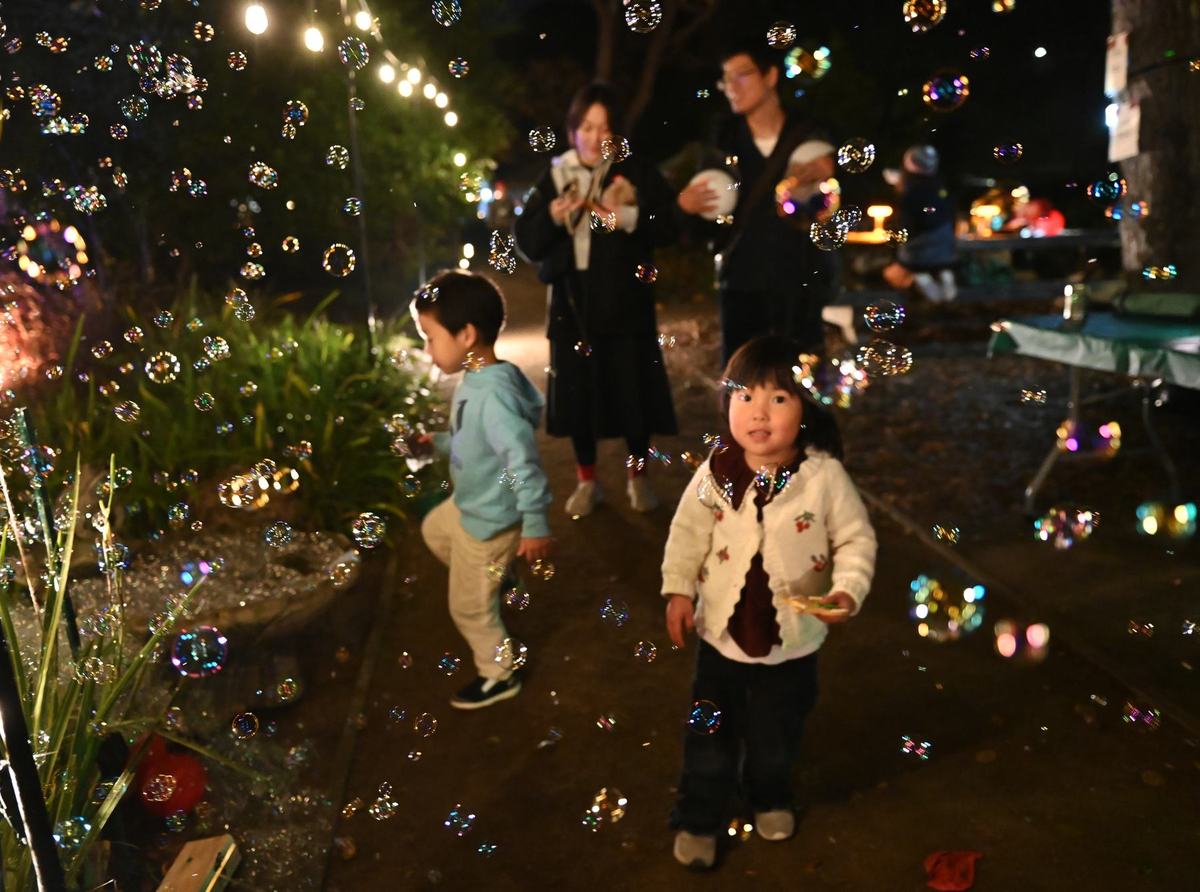
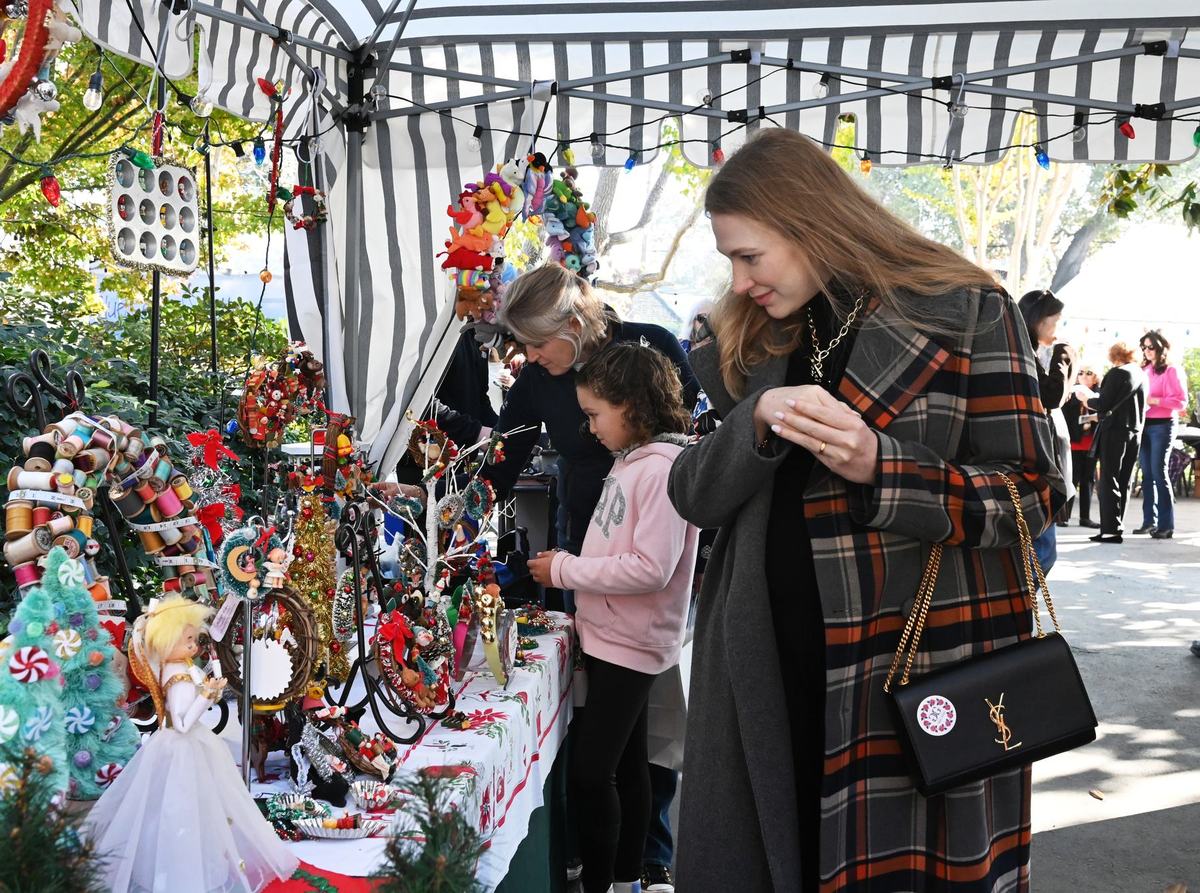
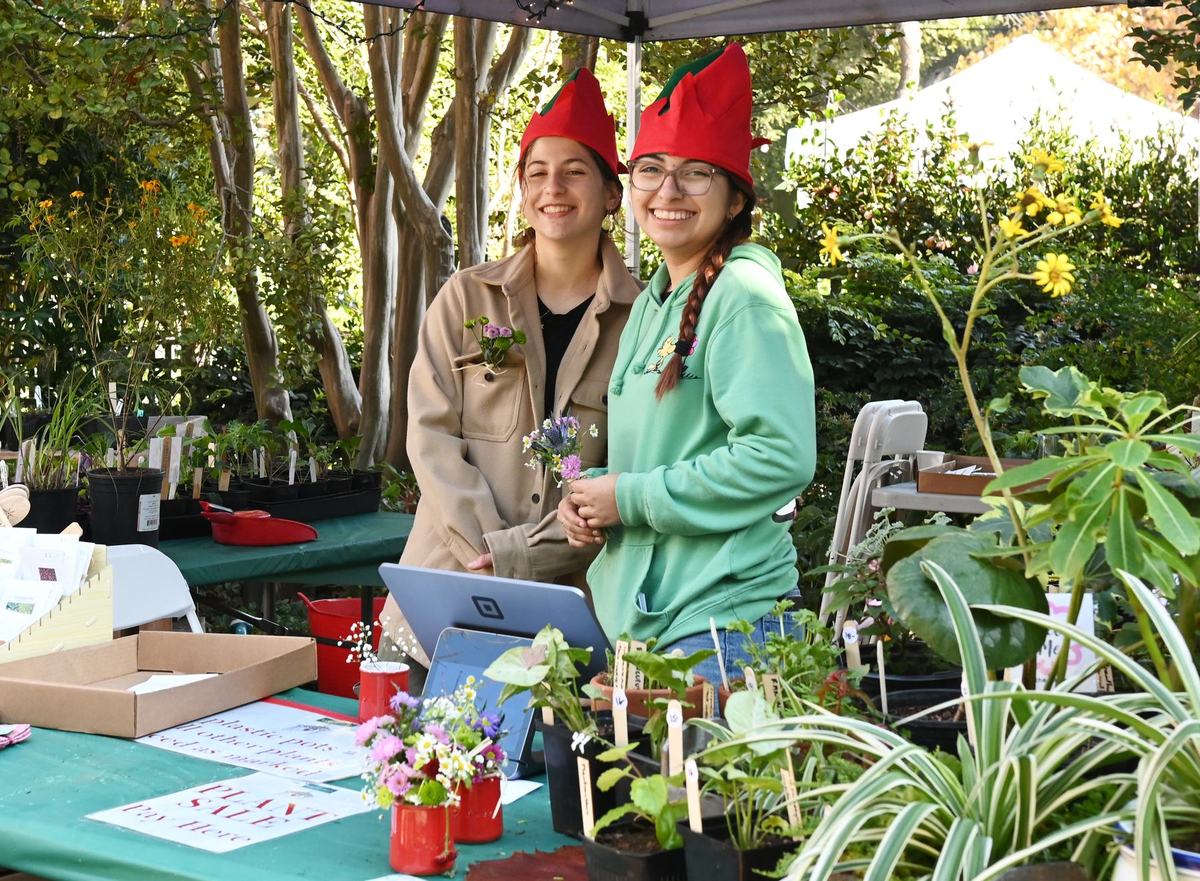
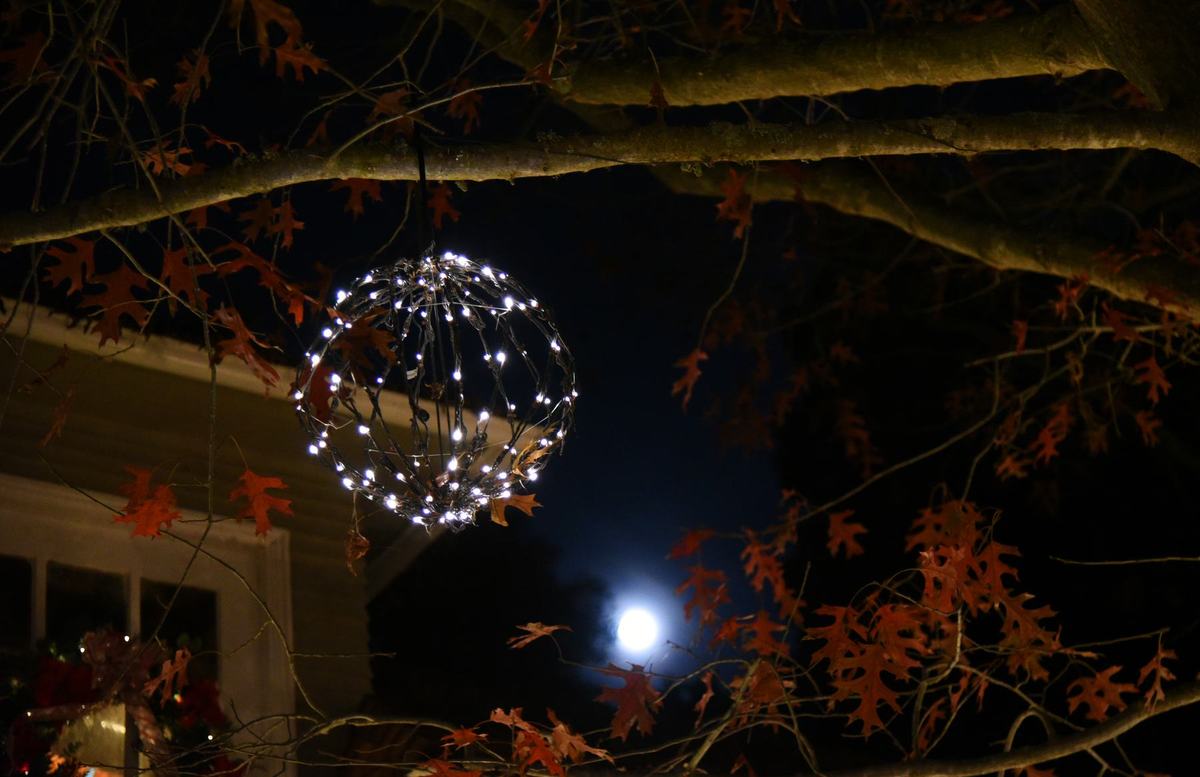
Each December, Winter Festival transforms Gamble Garden into a festive destination for holiday shopping, celebrations, and family fun. Over two days and two evenings, nearly 100 volunteers bring the Opening Night Party, Marketplace, Once Upon a Garden, and Holiday Tea to life.
In September 2025, 150 guests joined us to celebrate forty years of Gamble Garden as a public garden. Held every five years, this special celebration raised $227,053 for the Horticulture Hub Project, including $51,000 through a lively auction led by Elizabeth Santana of Palo Alto Players.
Throughout the year, 46 interpretive panels told the story of Gamble Garden through the decades, curated by Sue Krumbein with support from the Archives Committee.
We are grateful to Anniversary Party Chair Noelle Queen and her committee, the donors who underwrote the celebration and contributed auction items, and everyone who helped make this milestone possible.
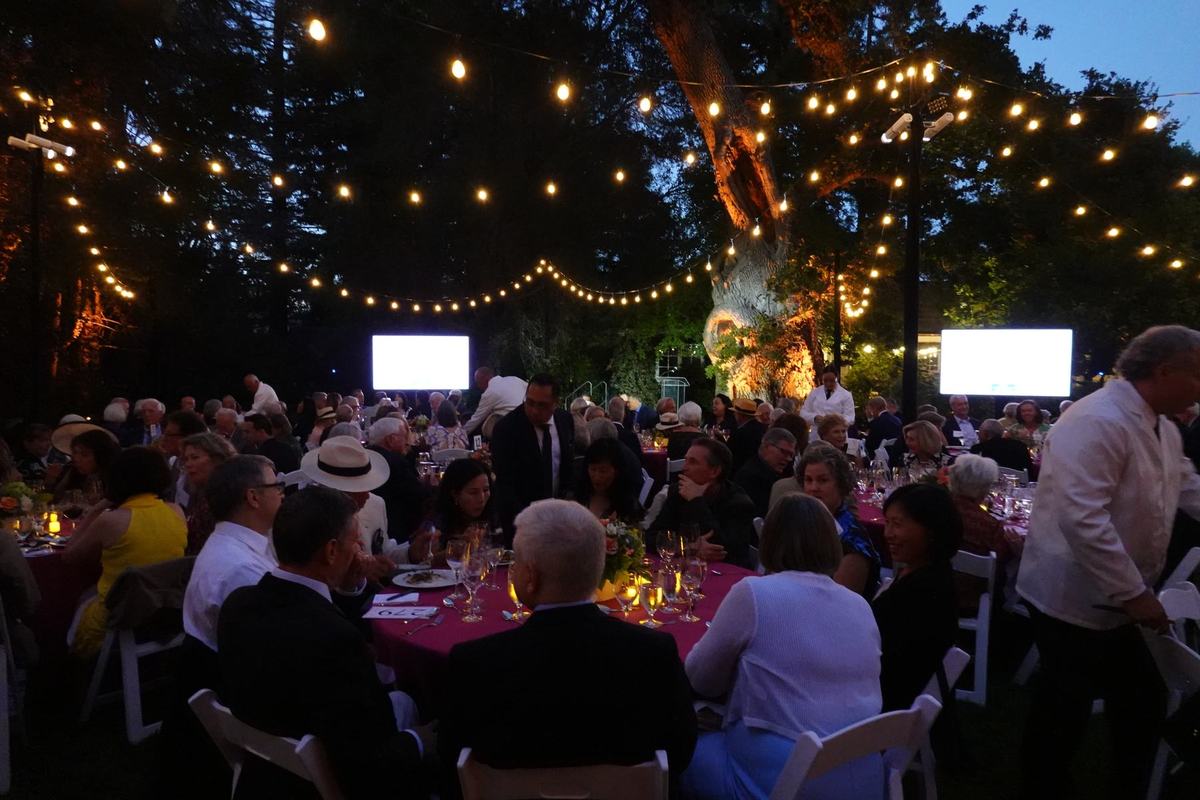
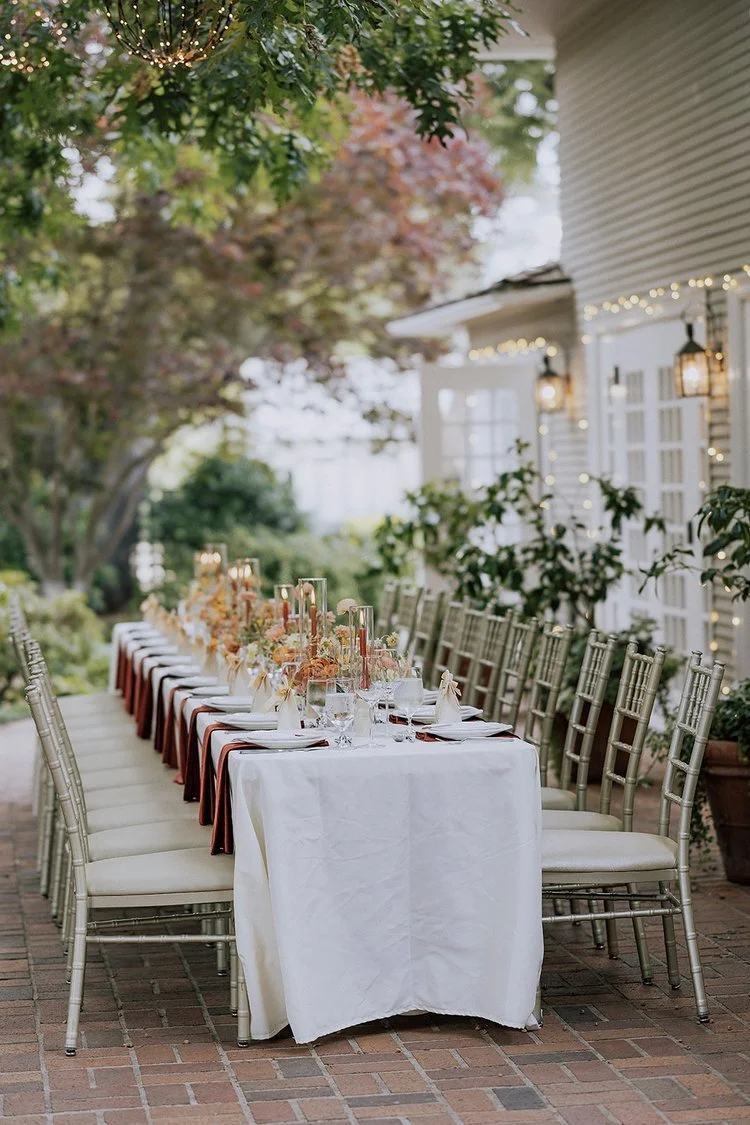
This year, Gamble Garden hosted 68 private celebrations, including 31 weddings, 7 memorials, 14 birthdays, 12 baby showers, and 4 marriage proposals. Each event brings new people to the Garden while generating revenue that helps keep it free and open to everyone.
What Comes Next
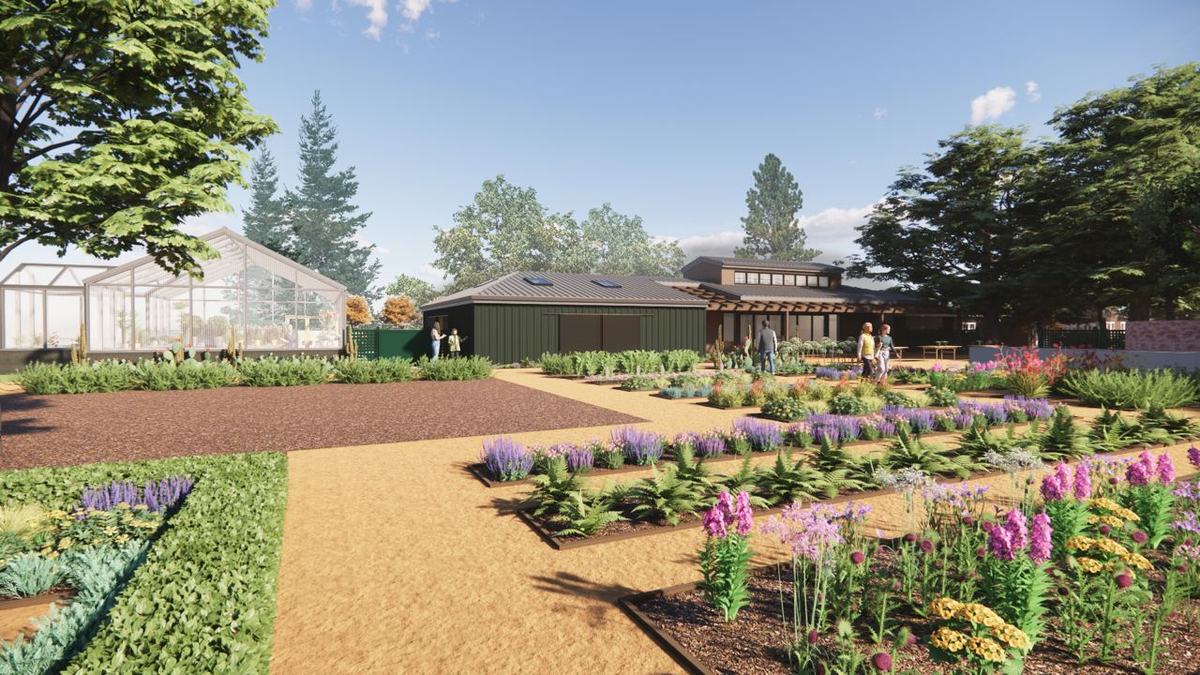
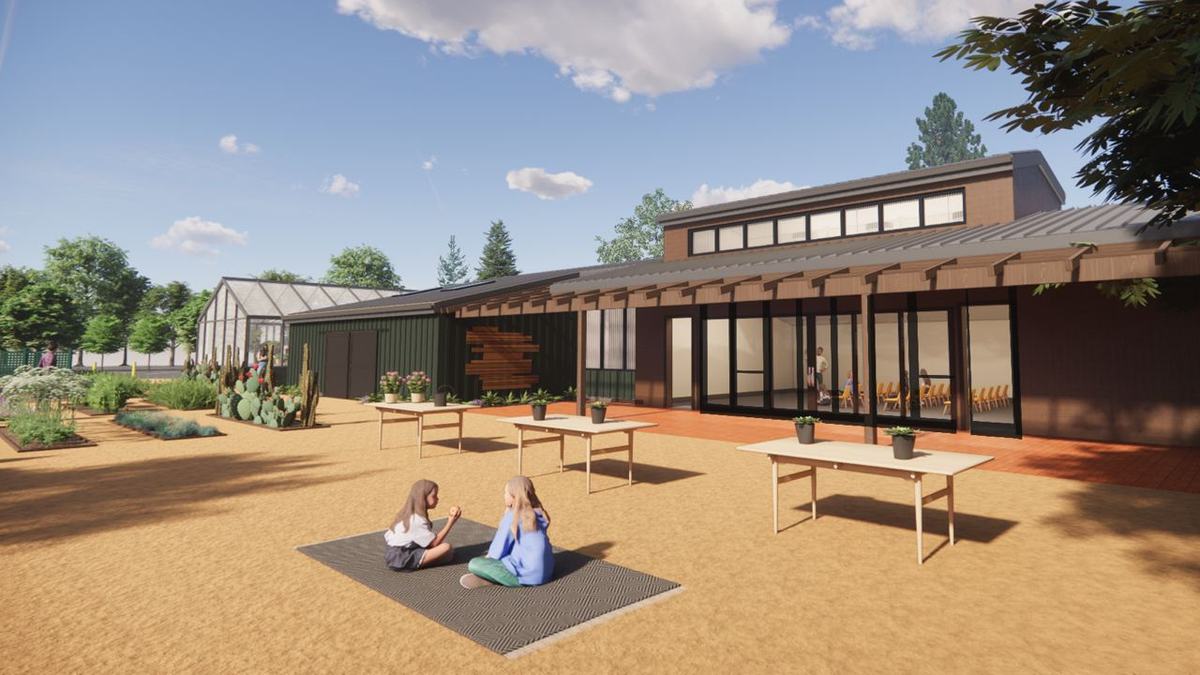
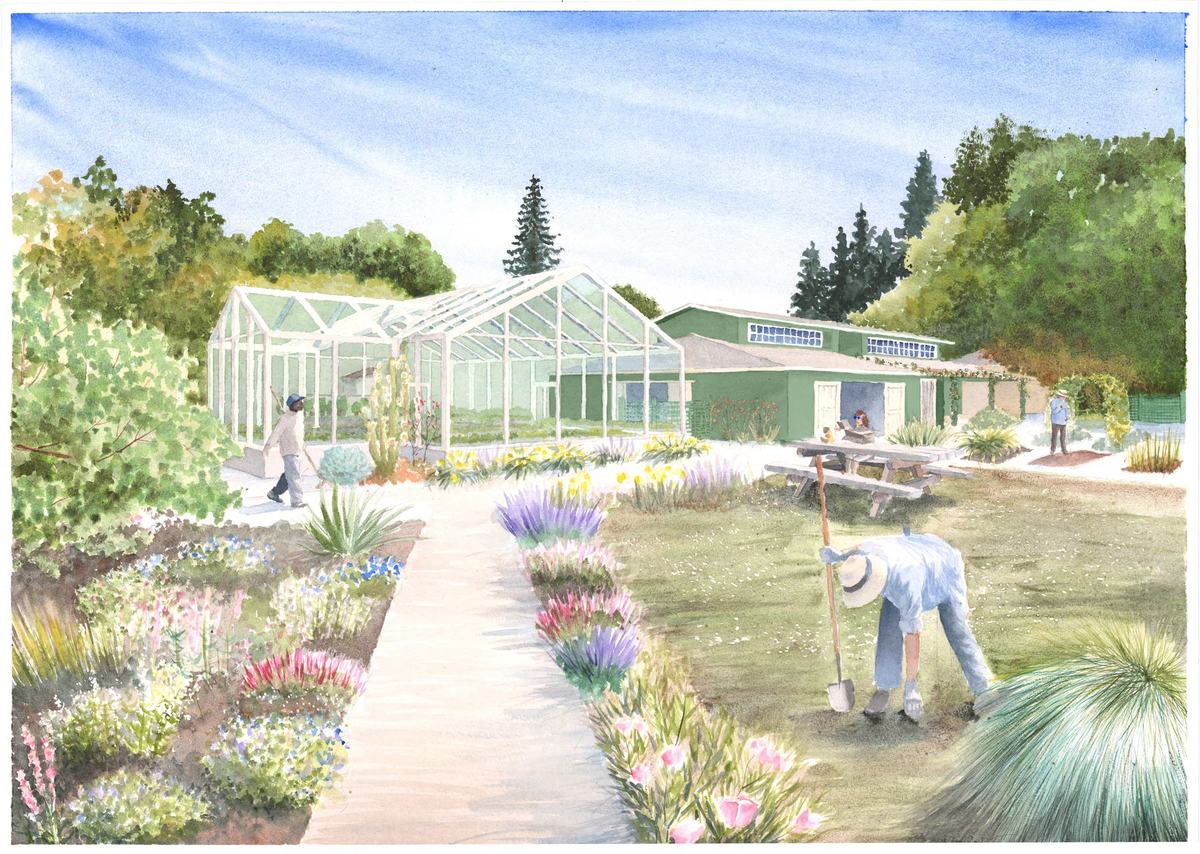
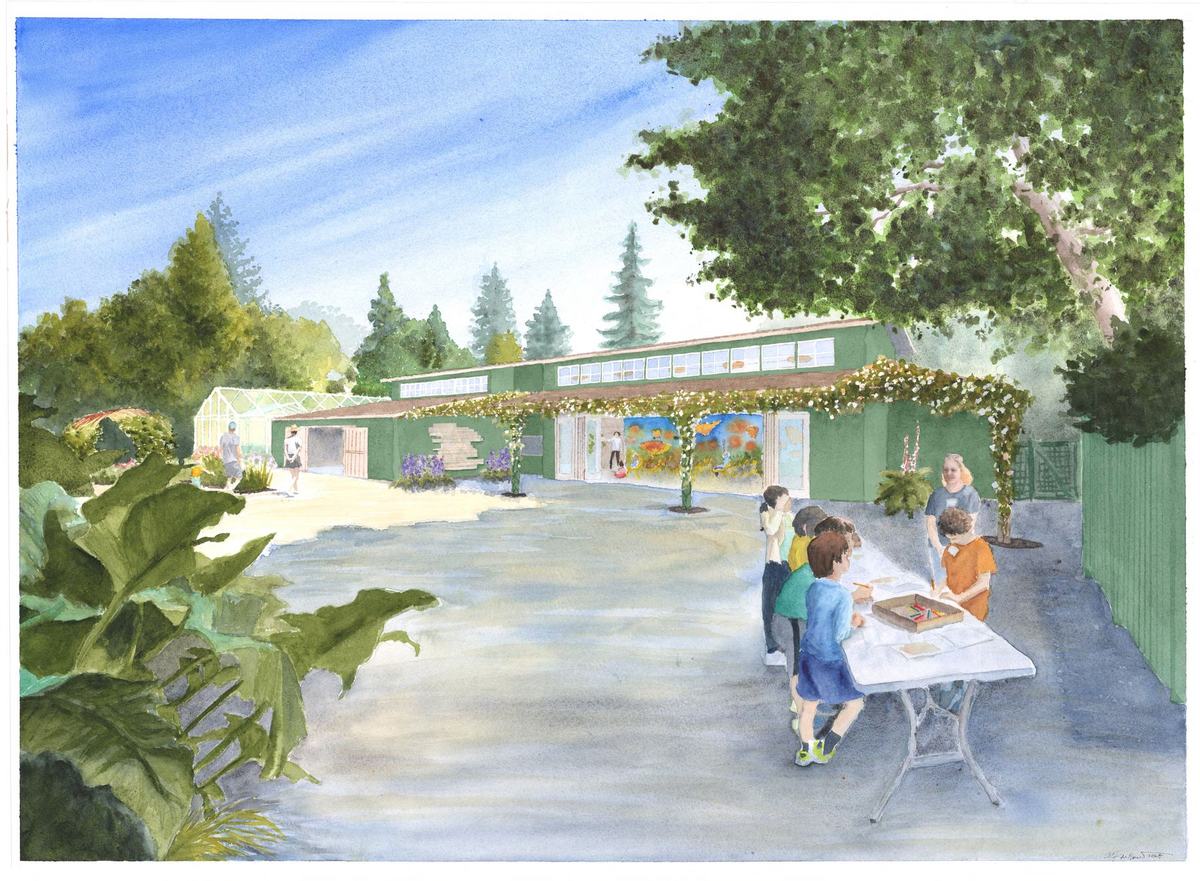
Everything in this report happened in buildings that were never designed for it.
The Horticulture Hub Project will replace a greenhouse more than 60 years old and reorganize the nursery behind it. It gives our volunteers and staff proper workspace instead of improvised corners. It adds a dedicated classroom, so a field trip has somewhere to go when it rains. And it adds restrooms that anyone can use.
Thanks to a group of early supporters, the campaign has reached the funding threshold needed to move construction forward. With nearly $8 million committed and millions left to raise, our attention now turns to ensuring the Hub is built to last, with the resources to care for it well into the future.
CAW Architects designed it. Vance Brown Builders will build it.
Gamble Garden ended the year with an operating surplus of $49,194, compared with a budgeted deficit of nearly $55,000. Our support comes from many sources, including donations, memberships, events, rentals, and endowment distributions, helping sustain a garden that remains free and open to everyone.
Revenue reached 111% of budget, while expenses came in at 99%. These operating figures exclude the Endowment Fund, Horticulture Hub Project contributions, and other restricted or designated funds. Separately, we maintain an operating reserve and Board-designated funds for planned maintenance of the historic house and garden and special projects.
Grants received.
Some of Gamble Garden's most significant gifts have come through wills and trusts, from people who wanted the Garden to outlast them.
Our endowment closed the year at $7.9 million, nearly $1.2 million more than the previous year. We also received bequests from 2 members of our '02 Legacy Society, whom we remember with gratitude.
Members of our '02 Legacy Society have named Gamble Garden in their wills, designating a gift to the Endowment. Gifts of any size help sustain the Garden for future generations.
Endowed bricks under the gazebo are how donors mark a place in the garden for someone they love. This year, we celebrated a dedicated brick beneath the gazebo honoring Floral Arranging Chair Carmen Pekelsma for her many years of service.
Funds received toward dedicated benches are donor-designated. A new bench in the herb garden, donated by Jeanne and Michael Althouse, supported the Horticulture Hub Project.
With Gratitude
Your generosity kept Gamble Garden open all 365 days of the year, largely free to enter. It brought 669 children into the Garden for hands-on learning, including our first scholarship for a Title I school. It helped rebuild the native garden for a hotter, drier climate, supported 11 free Second Saturdays and 12 Gardeners' Hours, and made it possible to plant 14,000 plants and start 15,000 seeds.
And through the Endowment Fund, built by generations of supporters, it provided 13% of our operating revenue.
Thank you to the 326 individuals, households, and businesses who contributed $500 or more this year, and to our 1,200 members who help sustain Gamble Garden year after year.
Together, we're caring for a garden that belongs to everyone.
Because of you, everything here is possible.
The garden is supported entirely by the people who love it, and receives no city or state funding for its operations. Modest gifts from many keep this garden growing as a community center.
In kind. Cooley LLP for employment legal counsel. Jorgenson, Siegel, McClure & Flegel, LLP for legal counsel on our new lease. Nadine Priestley Photography for photos of the Spring Tour gardens. Gamble Estates for Anniversary Party wine.